
Loading
DHA Campus, IslamabadMandra Campus, Rawalpindi
Research at GIHD
GIHD conducts research that addresses critical mental health and public health challenges in Pakistan and other low- and middle-income settings. Our work spans discovery, implementation and translational research, with a focus on generating evidence that can change practice, programmes and policy.
Research areas
Six themes run through GIHD's current research portfolio.
School and service-based adolescent mental health, child anxiety and early psychological intervention — including RISE, PREVENT and GLOW-CAT.
View projectsPredicting who is most at risk of depression and acting before it takes hold, with young people who have lived experience as co-designers.
View projectsCulturally relevant, validated assessment for Pakistan, and the national data infrastructure that planning and monitoring depend on.
View projectsTechnology-assisted cascade training and supervision, task-sharing, and building the non-specialist workforce that delivers care at scale.
View projectsImplementation science, cost and scalability — what it takes to move an intervention with proven efficacy into routine public services.
View projectsIntegrating mental health into Pakistan's climate adaptation, health and disaster-risk policy, and into population wellbeing more broadly.
View projectsThe portfolio
The research programmes GIHD is running now, from trials in schools and clinics to national policy work — and the archive of what has concluded.
A longitudinal study generating high-quality evidence on how individual and combined stressors contribute to the onset of depressive symptoms in young people, in Pakistan, Indonesia and Colombia.
Pakistan, Indonesia, Colombia

GIHD's stepped-care programme for youth mental health and wellbeing, with its own dedicated site.
Can technology make it possible to train and supervise more non-specialist school counsellors, without compromising the quality of care they provide? A randomised test of technology-assisted cascade training and supervision for EASE.
Pakistan
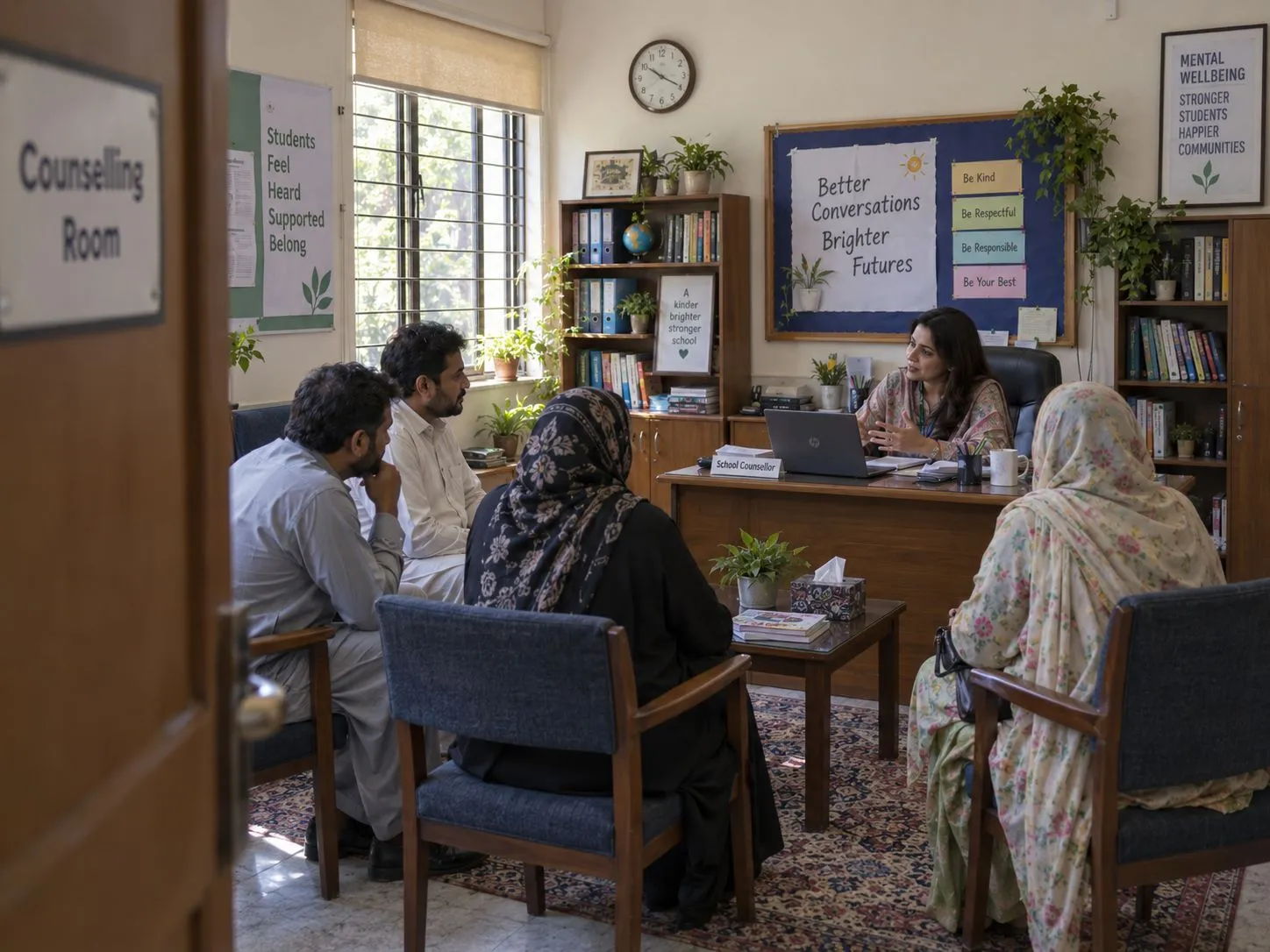
PREVENT is a school- and community-based programme designed to strengthen adolescent mental wellbeing by placing family support at the heart of prevention.
Pakistan
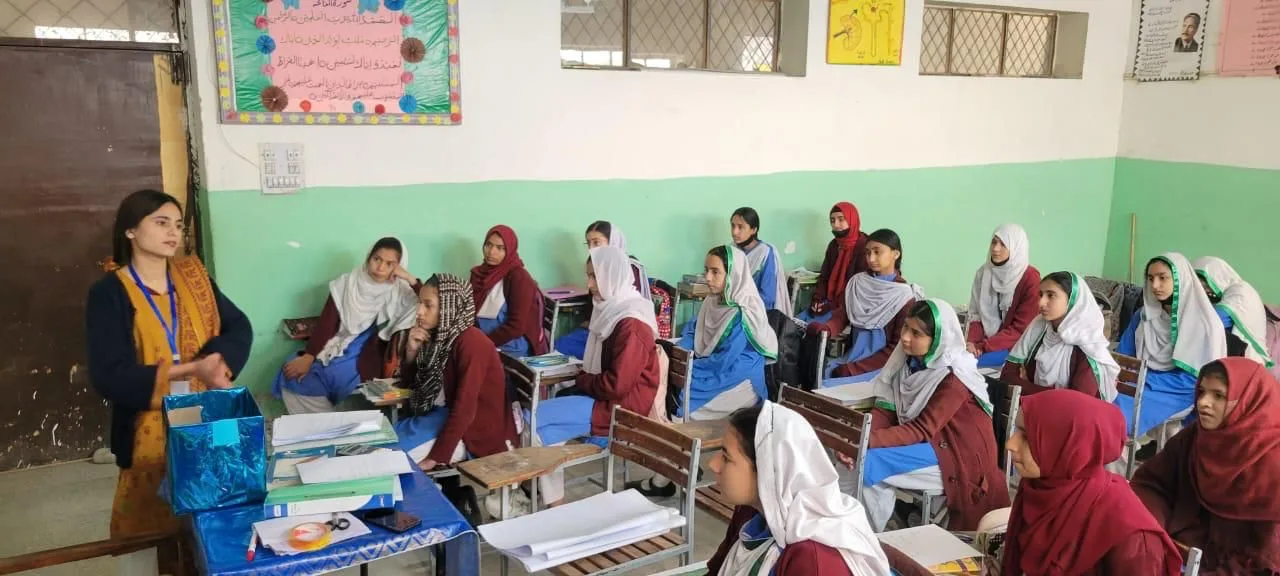
How can better data help Pakistan understand adolescent mental health — and turn that evidence into practical support where young people already live and learn?
Pakistan
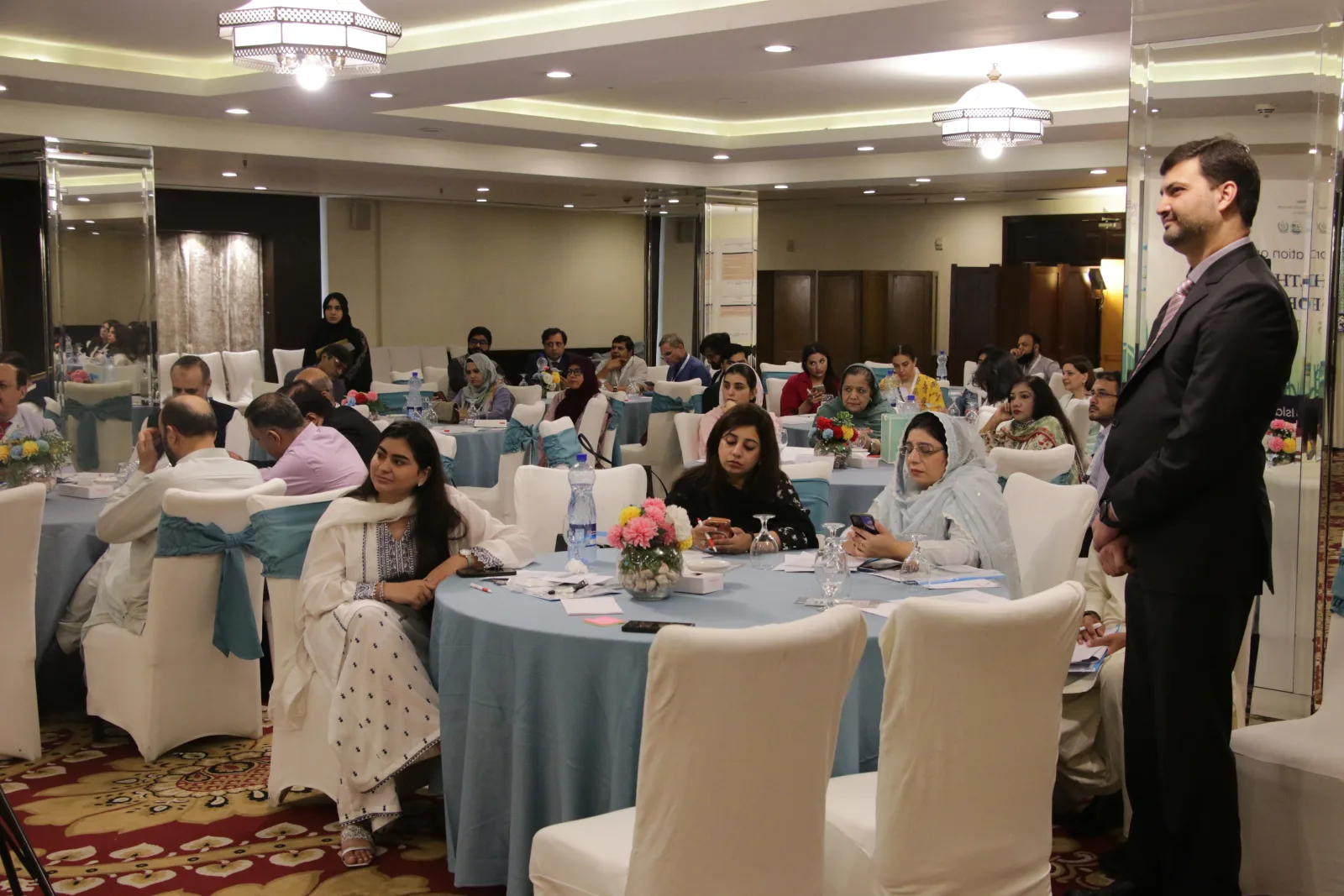
Taking EASE, a WHO–UNICEF endorsed group psychological intervention, into routine child and adolescent mental health services across all four provinces of Pakistan — and studying what it takes to sustain it there.
Pakistan

Can evidence-based digital psychological support be adapted to work for children and families in different cultural and healthcare settings? GLOW-CAT is adapting, testing and evaluating a parent-led online CBT programme across six countries, including Pakistan.
Pakistan, United Kingdom, Japan, Chile, Philippines, Thailand
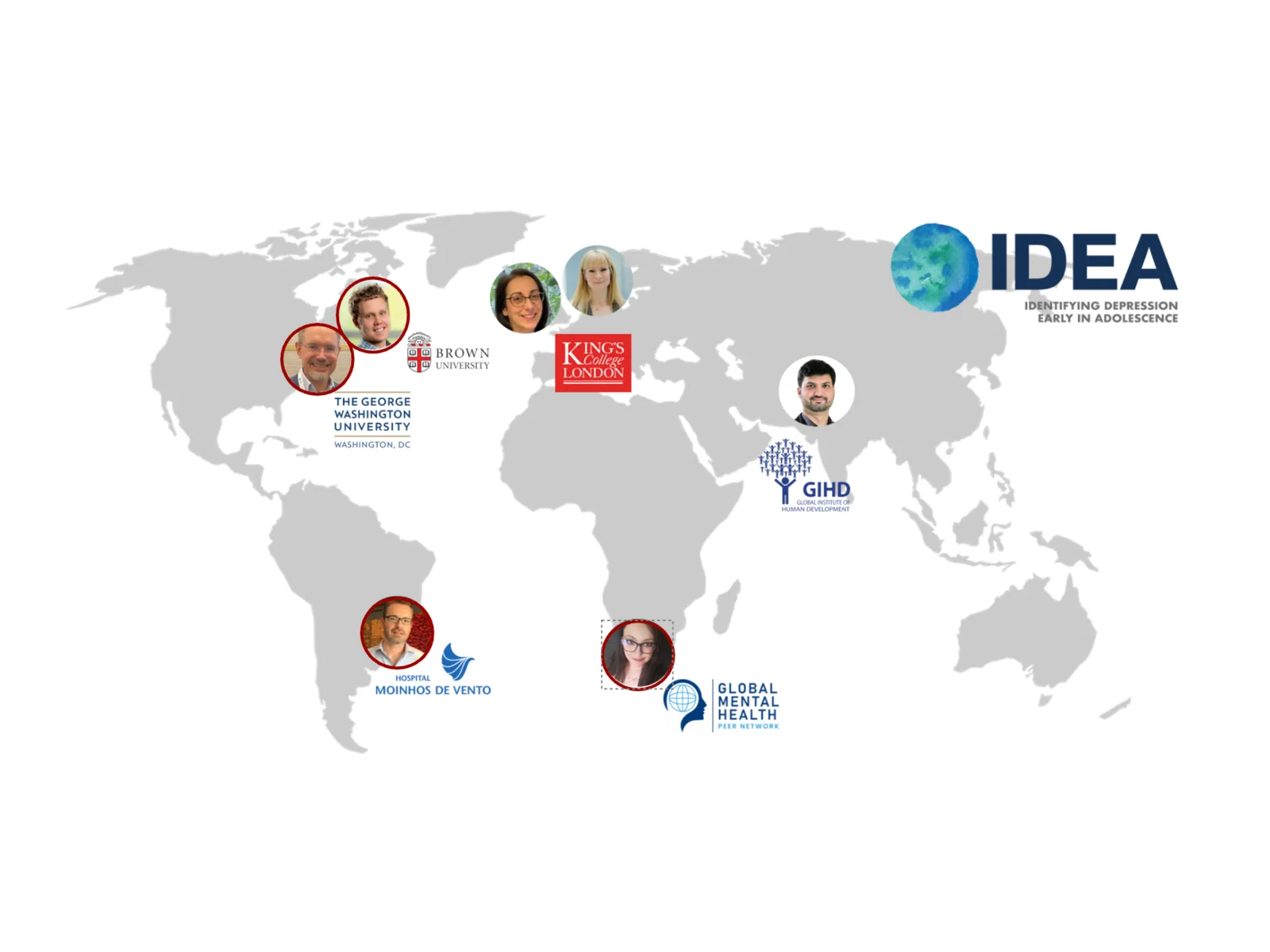
Can we identify which adolescents are most at risk of depression — and use that knowledge to prevent it before it takes hold? IDEA-IMPACT connects risk prediction to preventive action.
Pakistan, Brazil, USA, UK, South Africa
Building a culturally relevant, validated approach to identifying mental health conditions in adolescents and adults in community settings — and contributing to Pakistan's National Mental Health Data Dashboard.
Pakistan

Making mental health a core part of climate resilience — a 36-month programme working with federal and provincial government to write mental health into Pakistan's climate, health and disaster-risk planning.
Pakistan
Publications
64 peer-reviewed papers, protocols and reports on record, searchable by year, research area and type.
Atif, N., Hamdani, S.U., Huma, Z., Kanwal, M., Kaukab, A., Tariq, M., & Rahman, A.
Cambridge Prisms: Global Mental Health
Keyan, D., Hall, J., Jordan, S., Watts, S., Au, T., Dawson, K.S., Abu Sway, R. et al.
Frontiers in Digital Health 7 (2025): 1528580
Hamdani, S.U., Huma, Z.E., Chakrabarti, B. et al.
BMC Psychiatry 25, 647
WOMAN-2 Trial Collaborators
Lancet. 2024 Oct 26;404(10463):1645-1656
Roshan, R., Hamid, S., Kumar, R., Hamdani, U., Naqvi, S., Huma, Z.E., Adeel, U.
Soc Psychiatry Psychiatr Epidemiol. 2024 Oct 17
Hamdani, S.U., Huma, Z.E., Malik, A., Tamizuddin-Nizami, A., Javed, H., Minhas, F.A., Jordans, M.J.D., Sijbrandij, M., Suleman, N., Baneen, U.U., Bryant, R.A., van Ommeren, M., Rahman, A., Wang, D.
Lancet Child Adolesc Health. 2024 Aug;8(8):559-570
For researchers
A 6-month certificate course covering protocols, searching, screening, risk of bias, meta-analysis and publication. Scholarships available.
Learn moreQuantitative and qualitative methods, research grant writing, scientific writing, and research software for public health.
Learn moreA fully paid, mentor-guided placement embedded in live youth mental health research projects.
Learn moreCollaborate
GIHD partners with international research institutions, government and UN agencies including WHO, UNICEF and the University of Oxford. Email info@gihd.edu.pk to discuss your proposed work.
Monday to Friday, 9 am to 5 pm