
Loading
DHA Campus, IslamabadMandra Campus, Rawalpindi
Digital mental health, child anxiety
Can evidence-based digital psychological support be adapted to work for children and families in different cultural and healthcare settings? GLOW-CAT is adapting, testing and evaluating a parent-led online CBT programme across six countries, including Pakistan.
The challenge
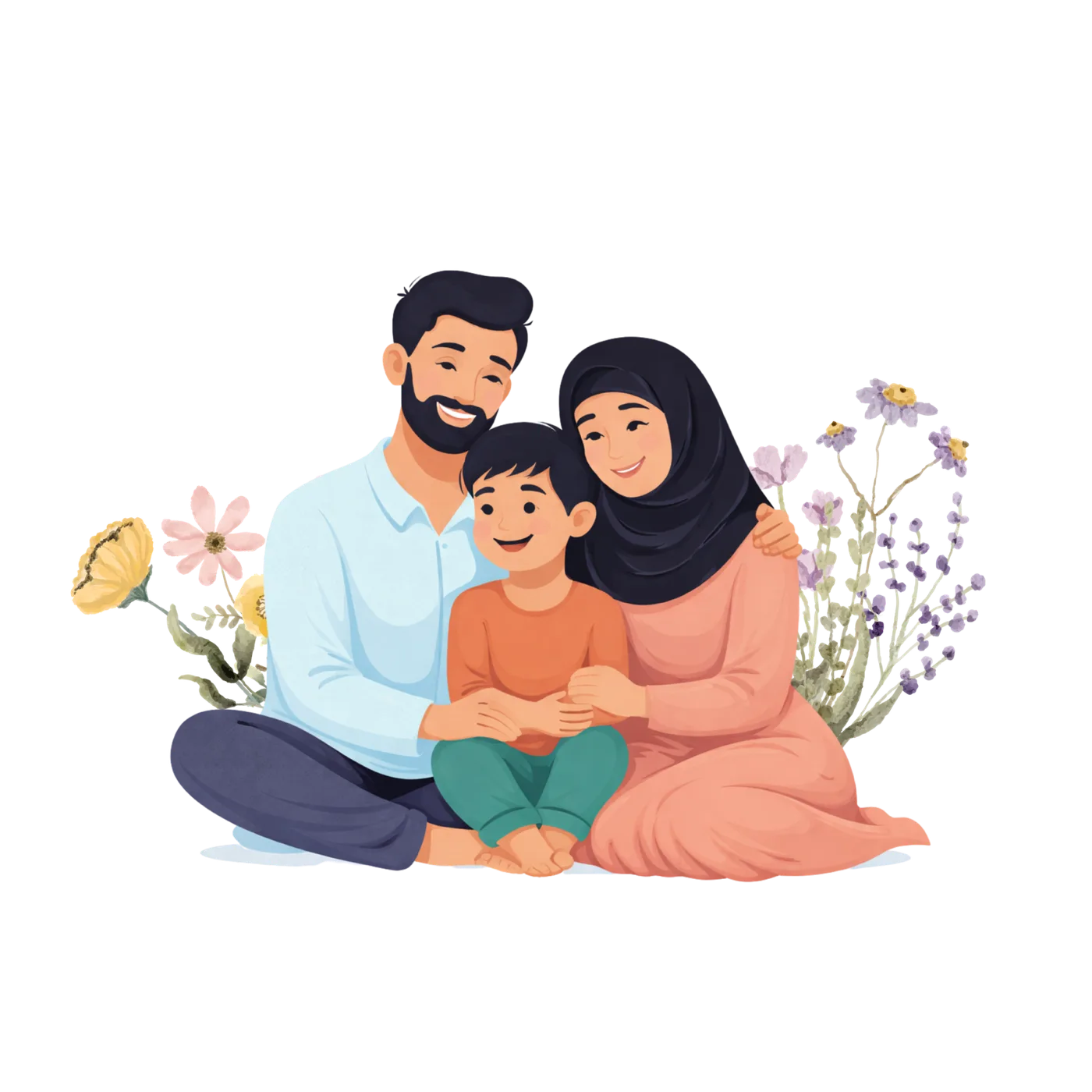
Anxiety can affect children's wellbeing, learning, relationships and everyday lives. Yet access to evidence-based psychological support remains limited, particularly where specialist child mental health services are scarce.
GLOW-CAT is exploring whether digital, parent-supported psychological intervention can help close this gap.
GLOW-CAT is an international academic research and adaptation study, not an open walk-in clinic or emergency crisis intervention service. Families taking part contribute to co-design and feasibility evaluations. For urgent medical or psychiatric emergencies, please visit the emergency department of your nearest tertiary teaching hospital.
The research
OSI is a brief, therapist-guided, parent-led online Cognitive Behavioural Therapy programme for children aged 5 to 12 years experiencing anxiety problems.
It was co-designed with children, parents and clinicians, and has demonstrated clinical and cost-effectiveness in high-income countries. GLOW-CAT is now taking the next step: adapting, testing and evaluating the approach across different countries and cultures, including Pakistan.
Online
Structured psychological support that does not depend on a clinic visit.
Parent-led
Parents are supported to help their children practise skills in everyday life.
Therapist-guided
A trained professional provides guidance without requiring intensive therapist time.
Scalable
The wider research programme is examining whether this model can be delivered effectively and sustainably in settings with limited specialist resources.
From global evidence to local fit
In Pakistan, GIHD is working with children, parents, caregivers, teachers, school counsellors and mental health professionals to understand what needs to change — and what needs to remain — for OSI to be relevant, acceptable and practical for Pakistani families.
Listen → Adapt → Test → Evaluate → Prepare for Scale
Building the evidence for scale
In Pakistan and other settings, the adapted intervention will be evaluated through rigorous research, including randomised controlled trials examining clinical and cost-effectiveness.
Children and families as research partners
Parents and children help shape the intervention, while teachers, school counsellors and professionals contribute to understanding how digital support can fit within existing pathways of care.
This ensures that adaptation is not simply about language, but about culture, family life, technology, services and the realities of supporting children in Pakistan.
GIHD is inviting parents, carers, teachers and school counsellors to help shape the Pakistani version of the programme. Contributors receive a Certificate of Participation.
A global research collaboration
GLOW-CAT connects researchers, clinicians, lived-experience experts and implementation partners across Pakistan, the United Kingdom, Japan, Chile, the Philippines and Thailand. The international collaboration enables evidence and learning to move across different cultural, economic and healthcare settings.
GIHD leads the Pakistan component, bringing expertise in child and adolescent mental health, cultural adaptation, implementation research and scalable psychological interventions.
What could this research change?
Access
Create more accessible pathways for children experiencing anxiety.
Workforce
Explore models where digital intervention and therapist guidance work together efficiently.
Scale
Generate evidence on how child anxiety interventions can be adapted and implemented across diverse settings.
Global Evidence → Local Adaptation → Rigorous Evaluation → Scalable Support
Partners and collaborators
Connected work
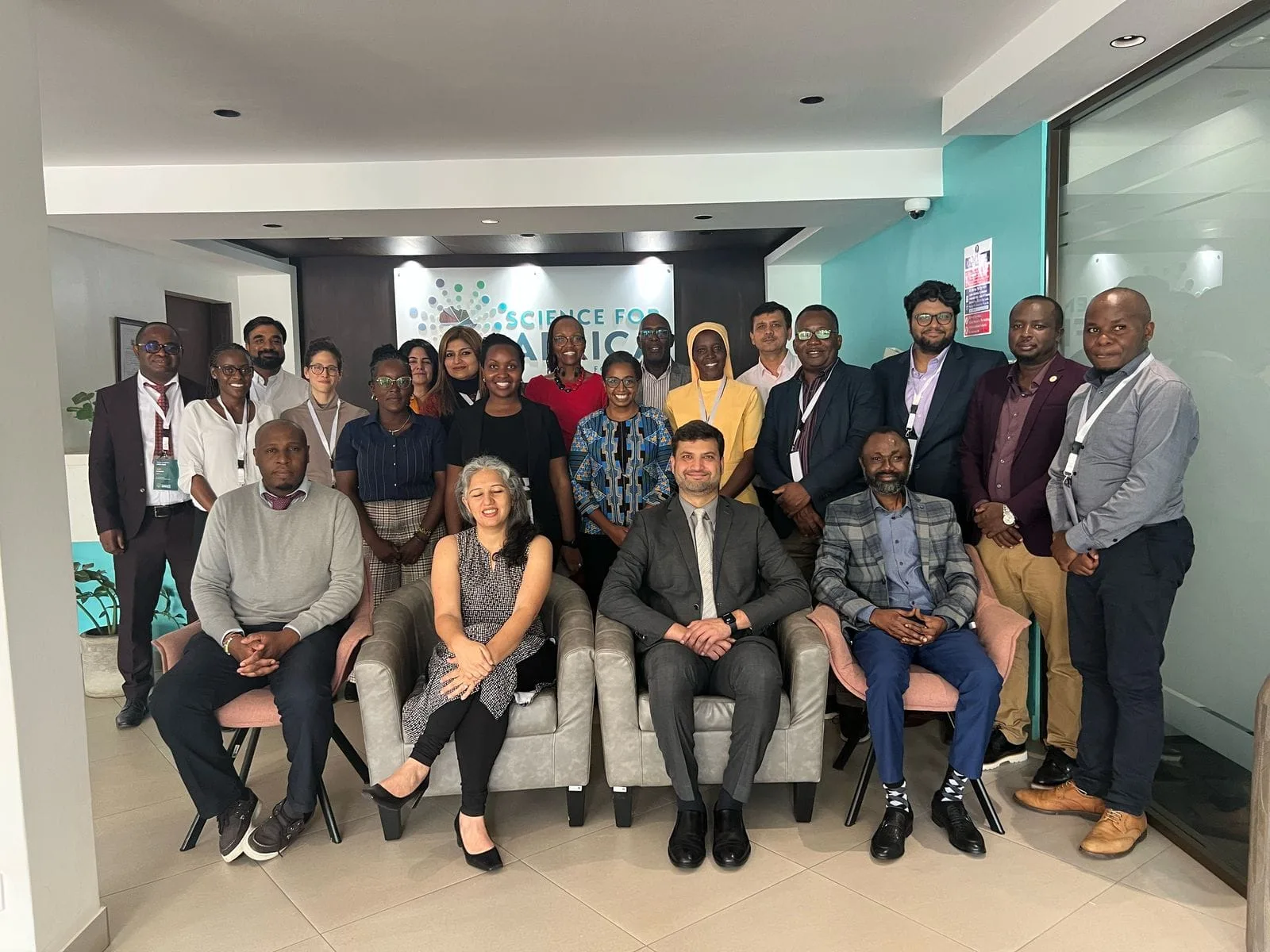
A longitudinal study generating high-quality evidence on how individual and combined stressors contribute to the onset of depressive symptoms in young people, in Pakistan, Indonesia and Colombia.
Pakistan, Indonesia, Colombia
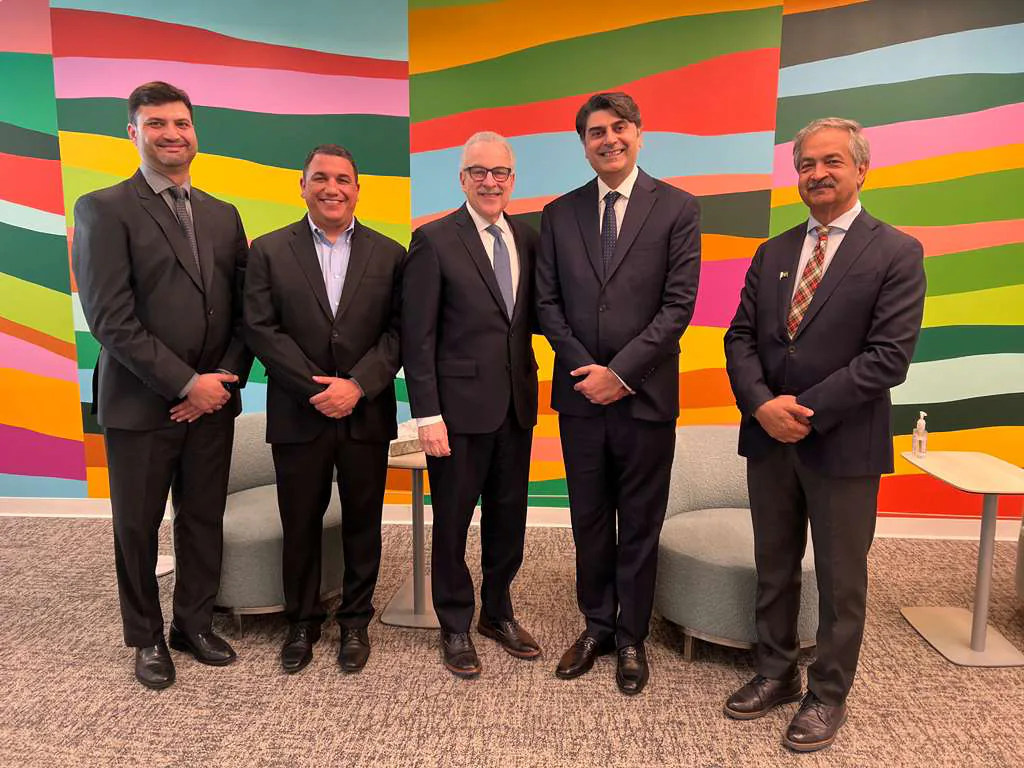
Can technology make it possible to train and supervise more non-specialist school counsellors, without compromising the quality of care they provide? A randomised test of technology-assisted cascade training and supervision for EASE.
Pakistan
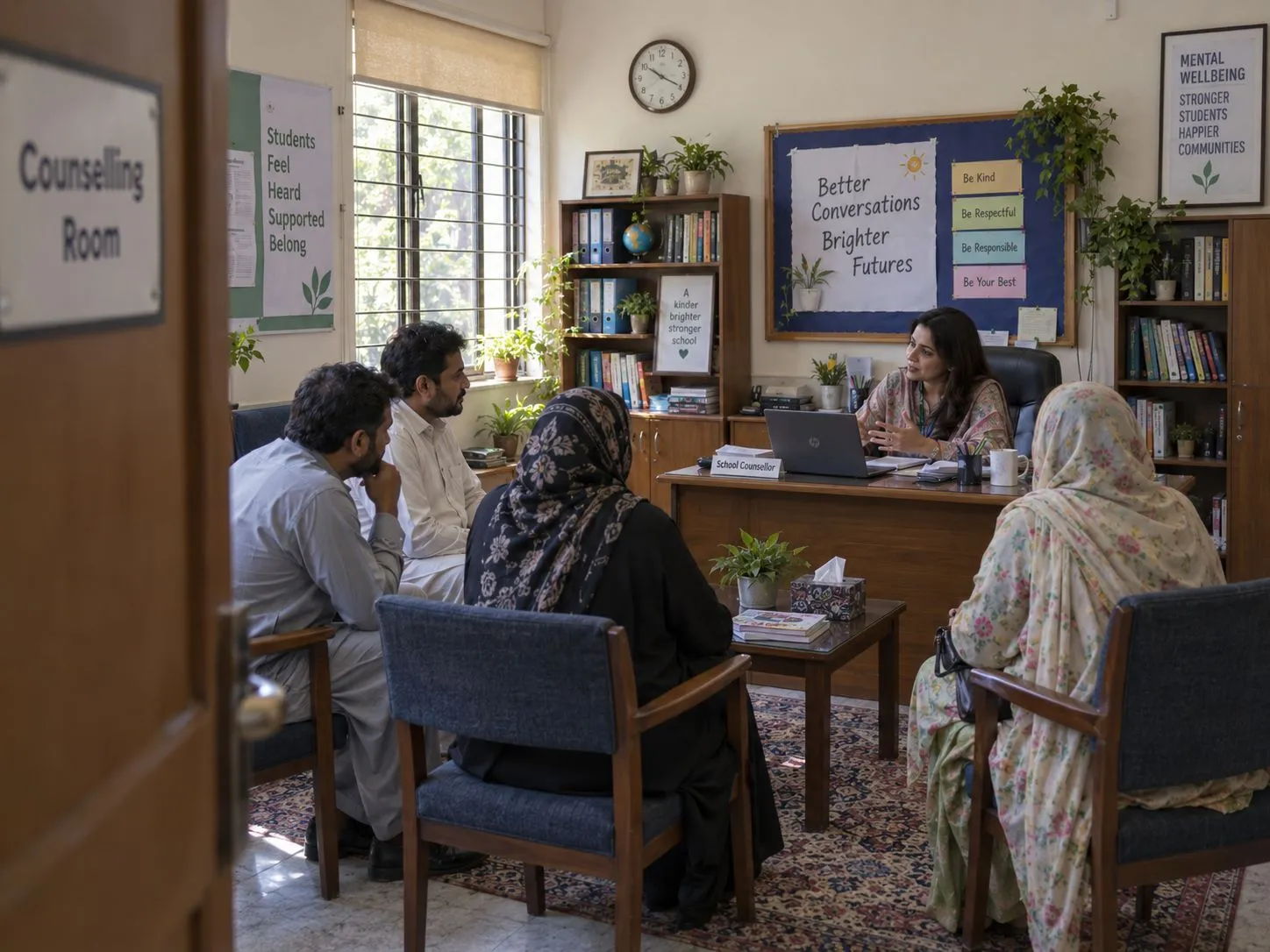
PREVENT is a school- and community-based programme designed to strengthen adolescent mental wellbeing by placing family support at the heart of prevention.
Pakistan
Collaborate with GIHD
GIHD partners with international research institutions, government and UN agencies. Get in touch to discuss collaboration, data or publications.
Monday to Friday, 9 am to 5 pm