Loading
DHA Campus, IslamabadMandra Campus, Rawalpindi
Measurement, prevention and referral
How can better data help Pakistan understand adolescent mental health — and turn that evidence into practical support where young people already live and learn?
The challenge
Adolescents in Pakistan face substantial mental health challenges, while nationally representative evidence remains limited and access to evidence-based support is uneven.
Conventional approaches can also miss adolescents who are out of school or face additional barriers related to gender, disability, socioeconomic disadvantage, mobility and safety.
This programme addresses both sides of the gap: understanding the need and acting on it.
From data to action
GIHD, in partnership with UNICEF and government stakeholders, is bringing together measurement and delivery in Rawalpindi and Gujar Khan, Punjab.
Using the culturally adapted UNICEF Measuring Mental Health Among Adolescents at the Population Level (MMAPP) module, the programme is generating gender-disaggregated evidence from 10,000 adolescents, including both in-school and out-of-school young people.
Using the culturally adapted WHO–UNICEF Helping Adolescents Thrive (HAT) toolkit, the programme brings mental health promotion and prevention into schools and communities — engaging adolescents, caregivers and teachers.
Adolescents who require additional support are connected through referral pathways to appropriate mental health services, including the Institute of Psychiatry and Child & Adolescent Psychiatry Unit at Benazir Bhutto Hospital, Rawalpindi.
Reaching beyond the school gate
A defining feature of the programme is its focus on adolescents who are often invisible in conventional school-based approaches.
The MMAPP component includes:
The programme examines differences by gender, age, geography, socioeconomic status, school enrolment, family circumstances and adverse childhood experiences.
Taking evidence into communities
The HAT component is designed around existing education and community systems rather than parallel structures.
Promotion
Building wellbeing, resilience, coping and social-emotional skills.
Prevention
Strengthening protective factors before difficulties become more severe.
Identification
Building the capacity of teachers and non-specialists to recognise adolescents who may need support.
Referral
Connecting young people to appropriate health and mental health services.
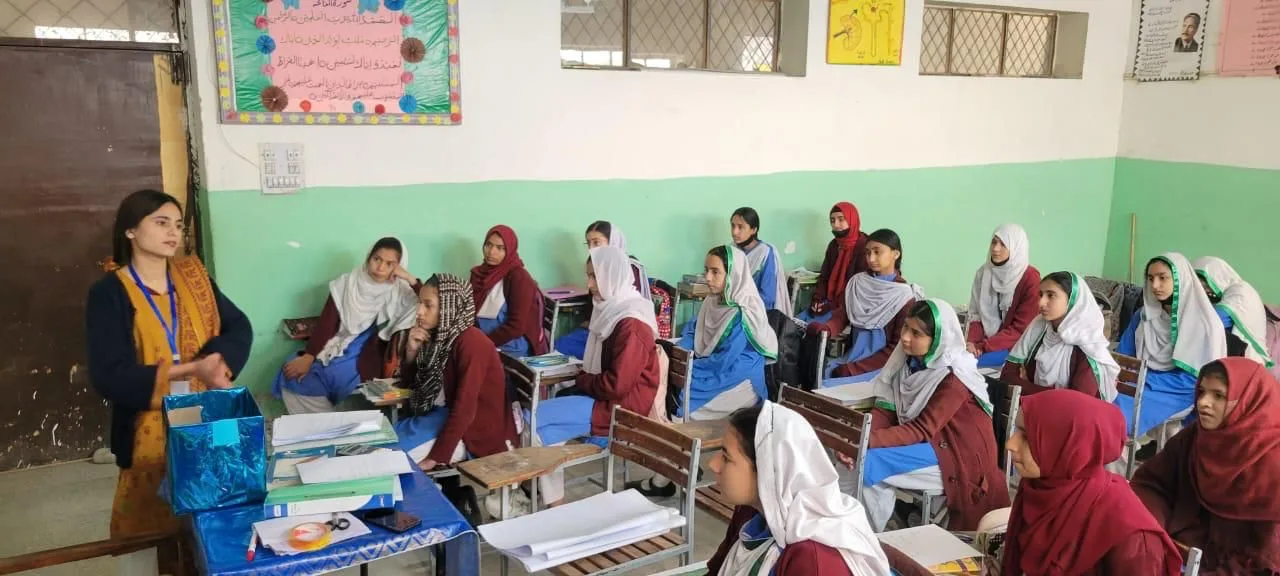
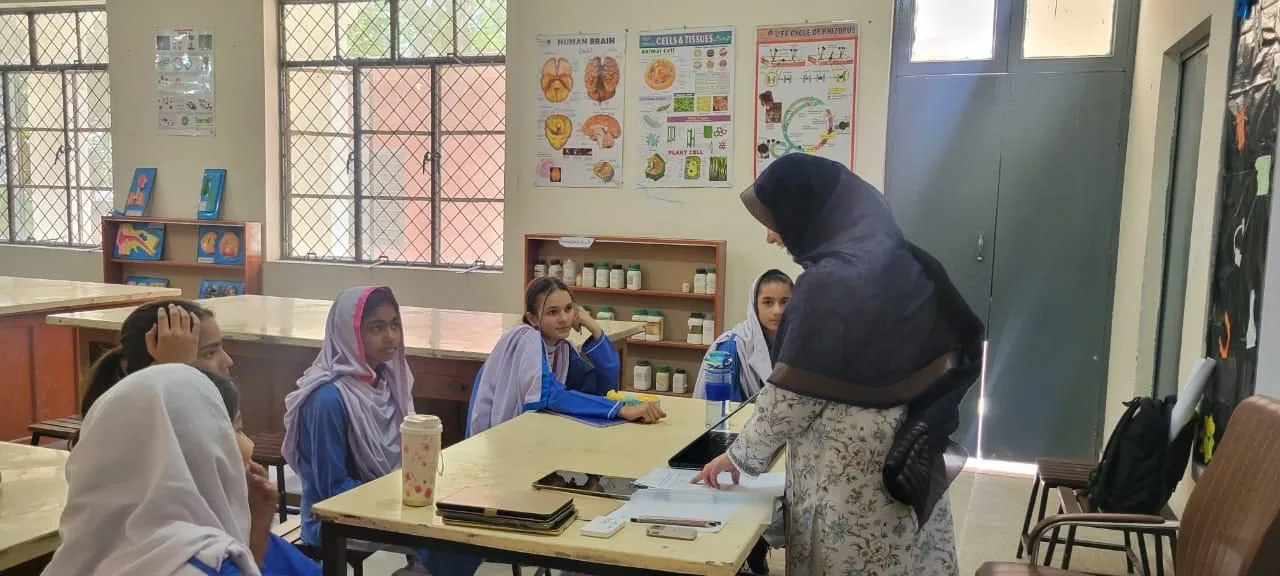
Sessions run where adolescents already are — in government school classrooms and science laboratories across Rawalpindi and Gujar Khan.
Building a workforce for scale
The programme uses trained and certified non-specialists to deliver HAT, creating local capacity beyond specialist clinical settings.
The initial implementation includes 10 trained non-specialists, with progressive expansion through schools and communities.
The wider scale-up targets include:
This creates a pathway from intervention delivery to longer-term workforce and system capacity.
From research to policy
Evidence from MMAPP and implementation learning from HAT will inform:
Partners and collaborators
 UNICEF
Connected work
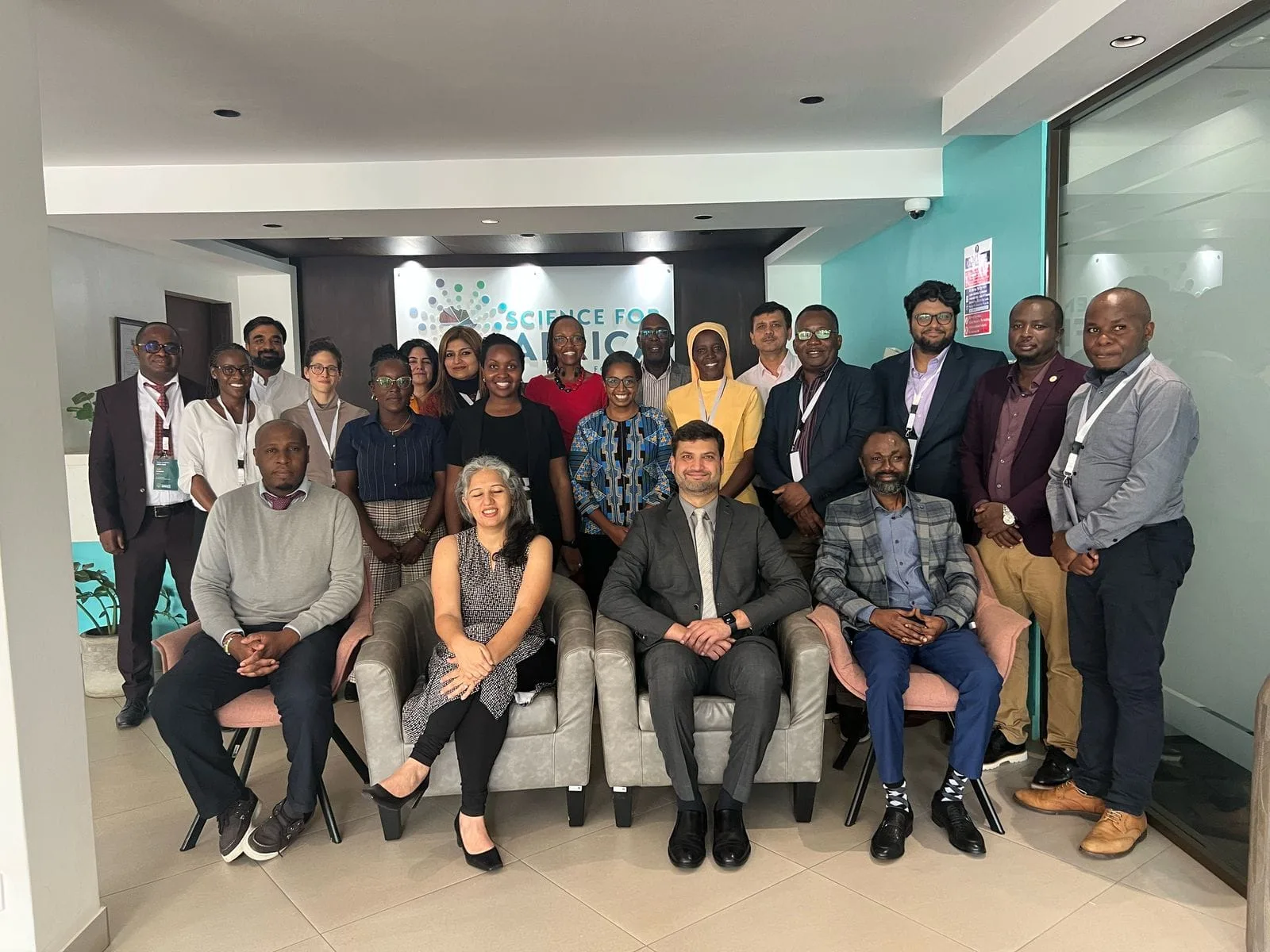
A longitudinal study generating high-quality evidence on how individual and combined stressors contribute to the onset of depressive symptoms in young people, in Pakistan, Indonesia and Colombia.
Pakistan, Indonesia, Colombia
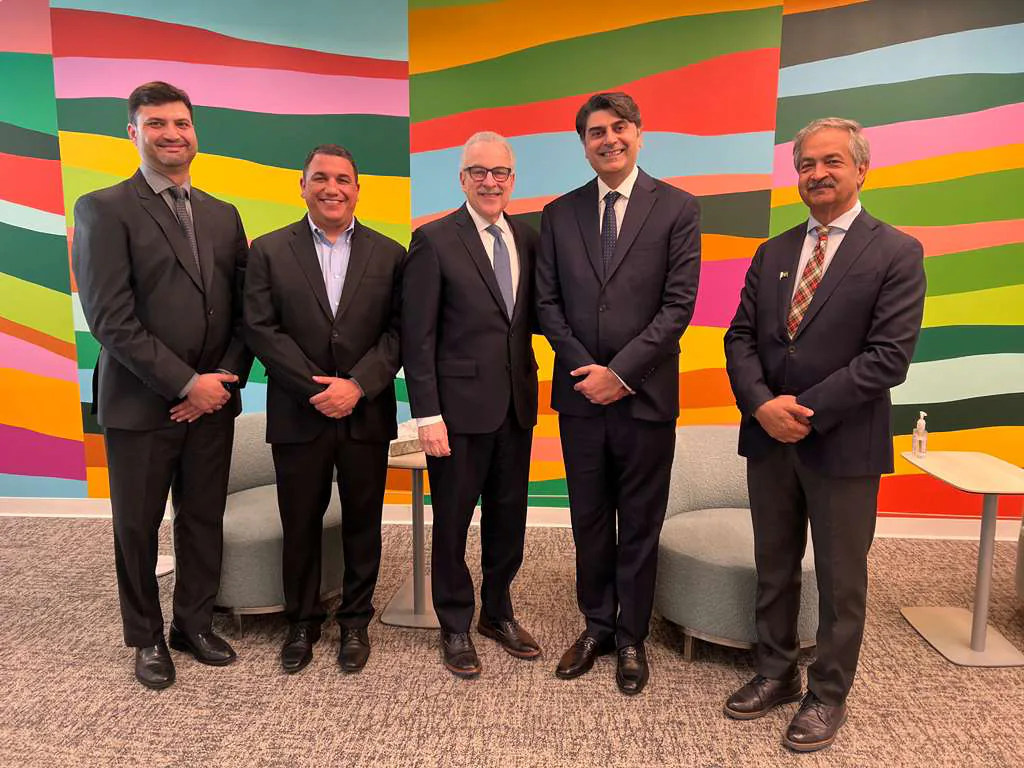
Can technology make it possible to train and supervise more non-specialist school counsellors, without compromising the quality of care they provide? A randomised test of technology-assisted cascade training and supervision for EASE.
Pakistan
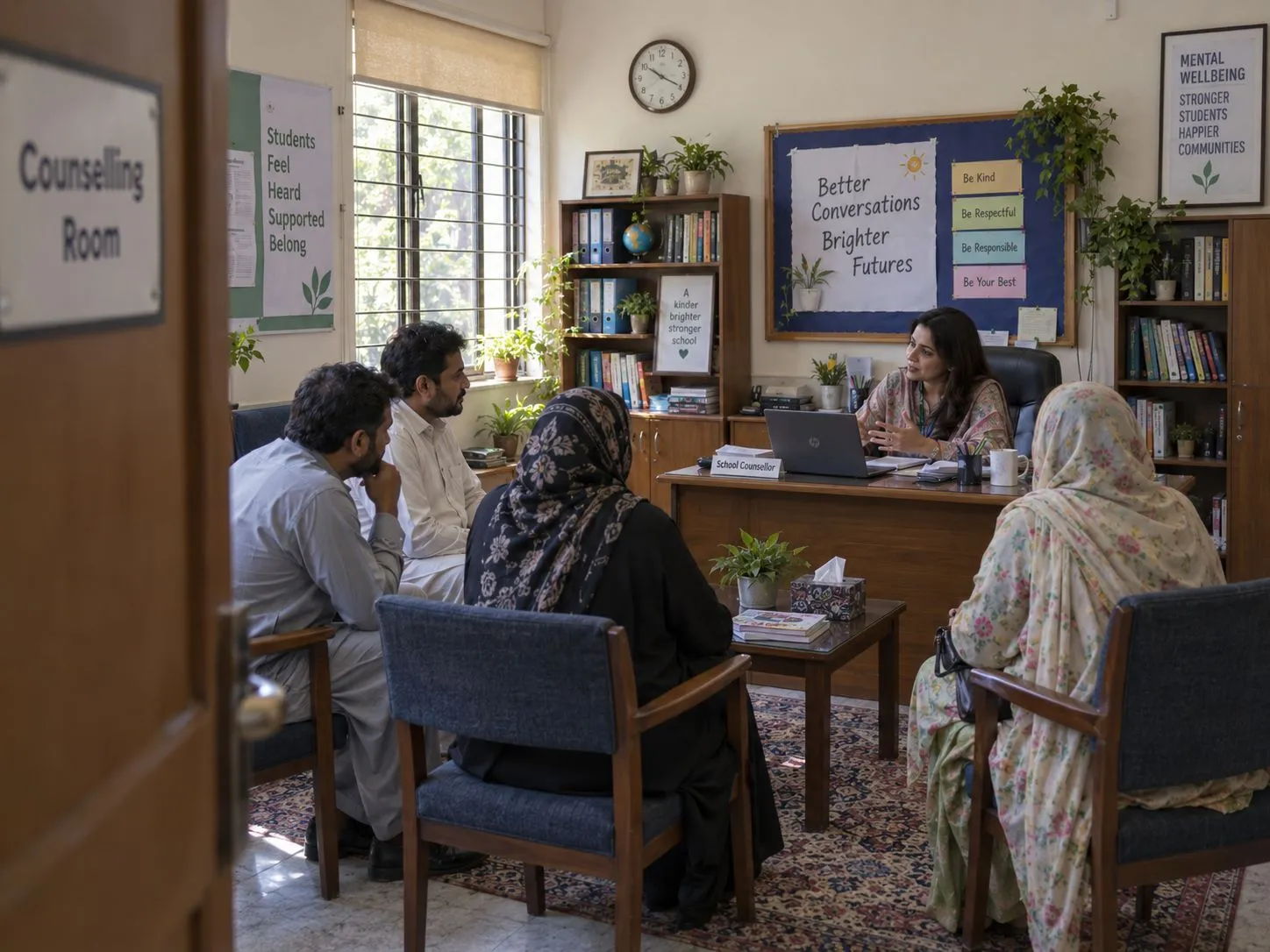
PREVENT is a school- and community-based programme designed to strengthen adolescent mental wellbeing by placing family support at the heart of prevention.
Pakistan
Collaborate with GIHD
GIHD partners with international research institutions, government and UN agencies. Get in touch to discuss collaboration, data or publications.
Monday to Friday, 9 am to 5 pm