
Loading
DHA Campus, IslamabadMandra Campus, Rawalpindi
6-month certificate course
A comprehensive six-month certificate course in conducting high-quality systematic reviews for healthcare interventions, taught through hands-on workshops, software training and group discussion.

About the course
Give your academic career a boost and elevate your research capabilities with our comprehensive 6-month certificate course on Systematic Review of Literature for healthcare interventions.
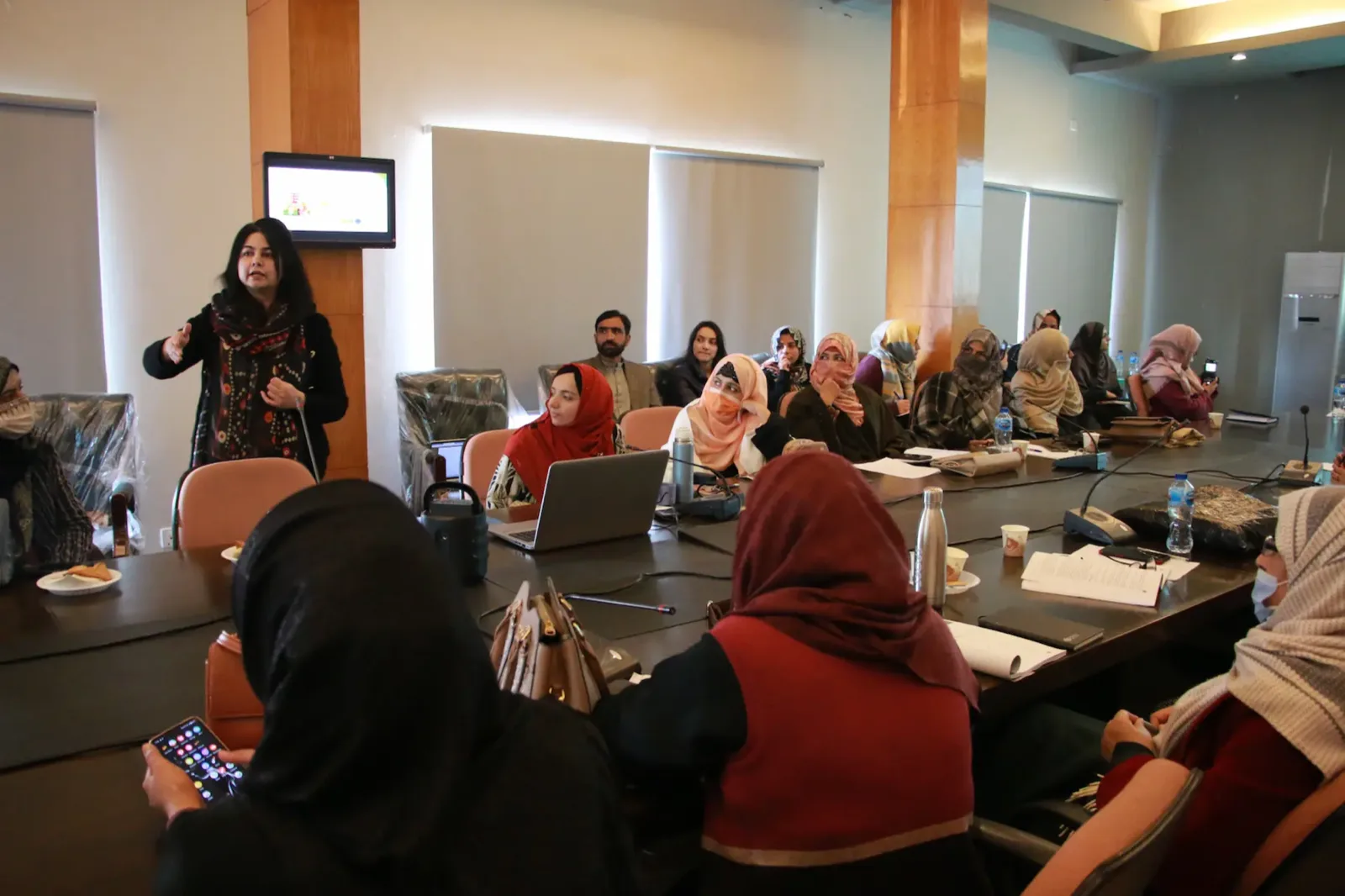
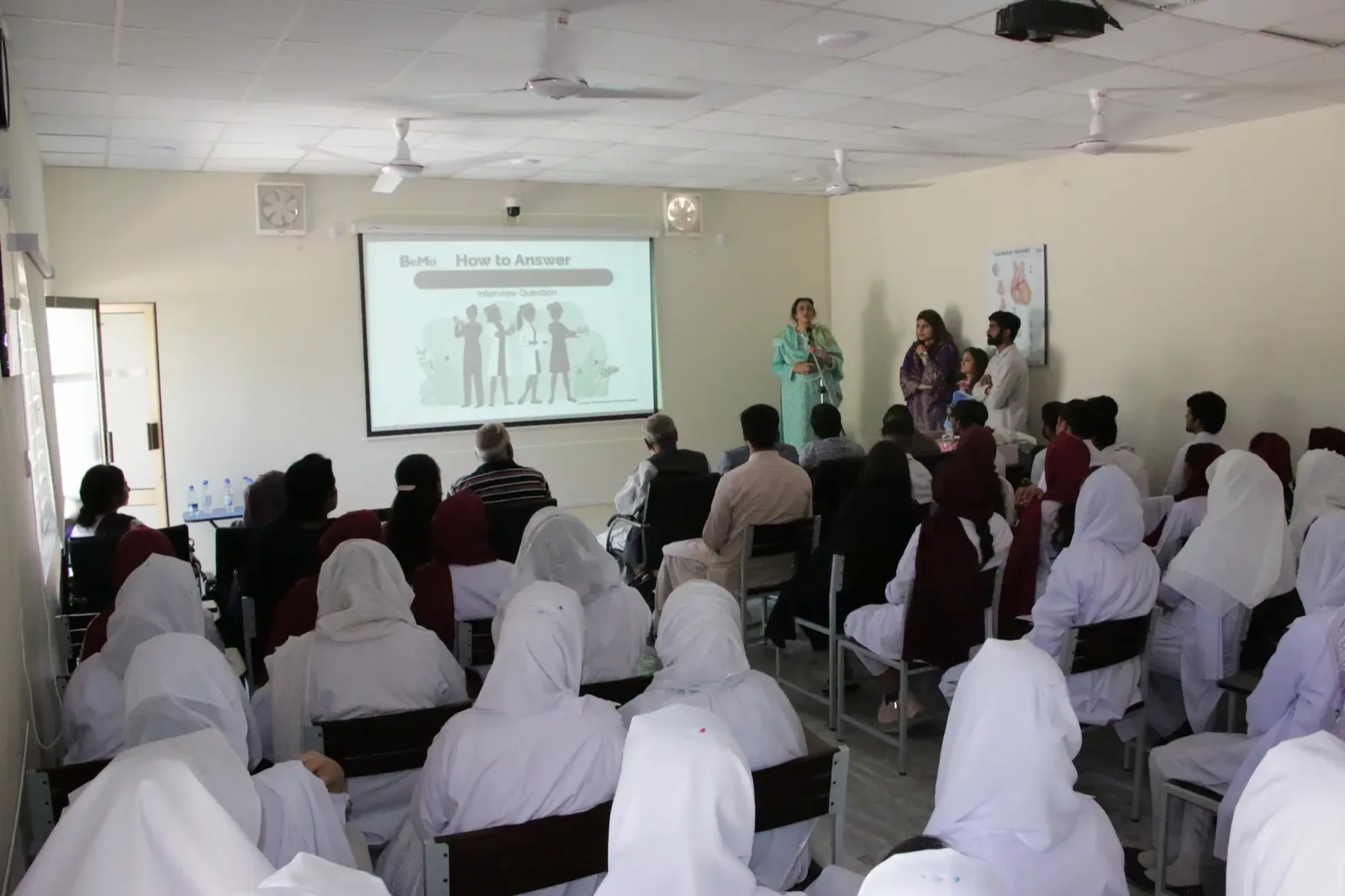
The course is designed for people of a broad range of professional backgrounds and will enable participants to perform a systematic review of literature in their own fields of interest. Over the span of 6 months the course will acquaint participants with the practicalities of conducting a systematic review of literature through interactive hands-on workshops, including access to online resources, using software and learning through interactive group discussions.
Instructors
The team brings hands-on experience and an established track record of conducting systematic reviews of literature in public health.
Level
Health research, allied health, nursing, social and behavioural sciences, psychology, public health and global health.
Financial aid
Available for deserving students.
A completion certificate is issued upon conducting a full systematic review of literature that is evaluated and passed by faculty examiners.
Manuscripts of suitable quality are supported through faculty mentorship for journal submission, though publication decisions remain subject to independent journal peer review.
Learning outcomes
Course description
Recognize features of systematic reviews as a research design; recognize the importance of using rigorous methods to conduct a systematic review of literature; identify the elements of a well-defined review question; understand the steps in a systematic review.
Recognize the importance of Cochrane Protocols; identify the information that should be included in the background of a systematic review; review PRISMA-P guidelines; skim through the PROSPERO database and duplication of work; formulate review questions using the PICO framework; recognize the key components of a well written objective; identify the eligibility criteria for studies to be included in a systematic review; data synthesis strategy; recognize the structure of a protocol; template of PROSPERO protocol.
Search strategy development; suggest concepts and terms to be used in a search strategy; selecting databases; designing search strategies for PubMed and training in PubMed; identify the key sources to search when conducting a systematic review; identify the elements of the search process that need to be documented and reported.
Conducting a search and reference management; searching using key terms and search strategy; training in EndNote and Rayyan software for screening of bibliography; the PRISMA flow chart.
Recognize the key features of the study selection process; identify the data required from a study included in a systematic review; recognize the different types and formats of outcome data in the included studies; extract the data from the included studies.
Assess the risk of bias arising from the randomization process in systematic reviews focusing on clinical trials; risk of bias due to deviations from the intended interventions; risk of bias due to missing outcome data; risk of bias in measurement of the outcome; risk of bias due to selective reporting; reach a judgement on the overall risk of bias in the included studies; identify ways of incorporating risk of bias assessment into the analysis.
What is methodological and clinical heterogeneity; data extraction forms; establishing inter-rater reliability; the data extraction process; reporting results.
Define a meta-analysis; decide when it is appropriate to conduct a meta-analysis; forest plots; choice of software — RevMan, CMA or R; reporting quantitative results.
Recognize characteristics of different effect measures; identify ways in which continuous outcomes and their comparisons can be expressed; identify and understand the data presented in forest plots.
Identify ways of ensuring consistency in a systematic review; identify elements of the 'Summary of findings' table; decide how to present an outcome in a 'Summary of findings' table; identify the elements of good reporting of systematic review results; understand the purpose of 'Authors' conclusions' in a systematic review; recognize the features of a Cochrane review abstract.
Common questions
GIHD lists it for people in health research, nursing, psychology and public health. It is a beginner-level six-month course with nine modules. You complete a full systematic review manuscript to earn the career certificate. It is one course in the research-methods suite, not the psychosocial catalogue.
GIHD publishes need- and merit-based scholarships for deserving students. Amounts are not listed here. Enquire via the form on this page or WhatsApp +92 333 0590373. Do not treat a third-party fee table as official.
Use Enquire about this course on this page. There is no public application deadline on the page. The other research-methods certificates (quantitative, qualitative, grant writing, scientific writing) sit on the research-led teaching page.
Enquiries
You might also consider
Next step
For any queries, WhatsApp or call us on +92 333 0590373, or send an enquiry and the course team will get back to you.
Monday to Friday, 9 am to 5 pm