

Loading
DHA Campus, IslamabadMandra Campus, Rawalpindi
Youth depression, longitudinal evidence
A longitudinal study generating high-quality evidence on how individual and combined stressors contribute to the onset of depressive symptoms in young people, in Pakistan, Indonesia and Colombia.
The problem being addressed
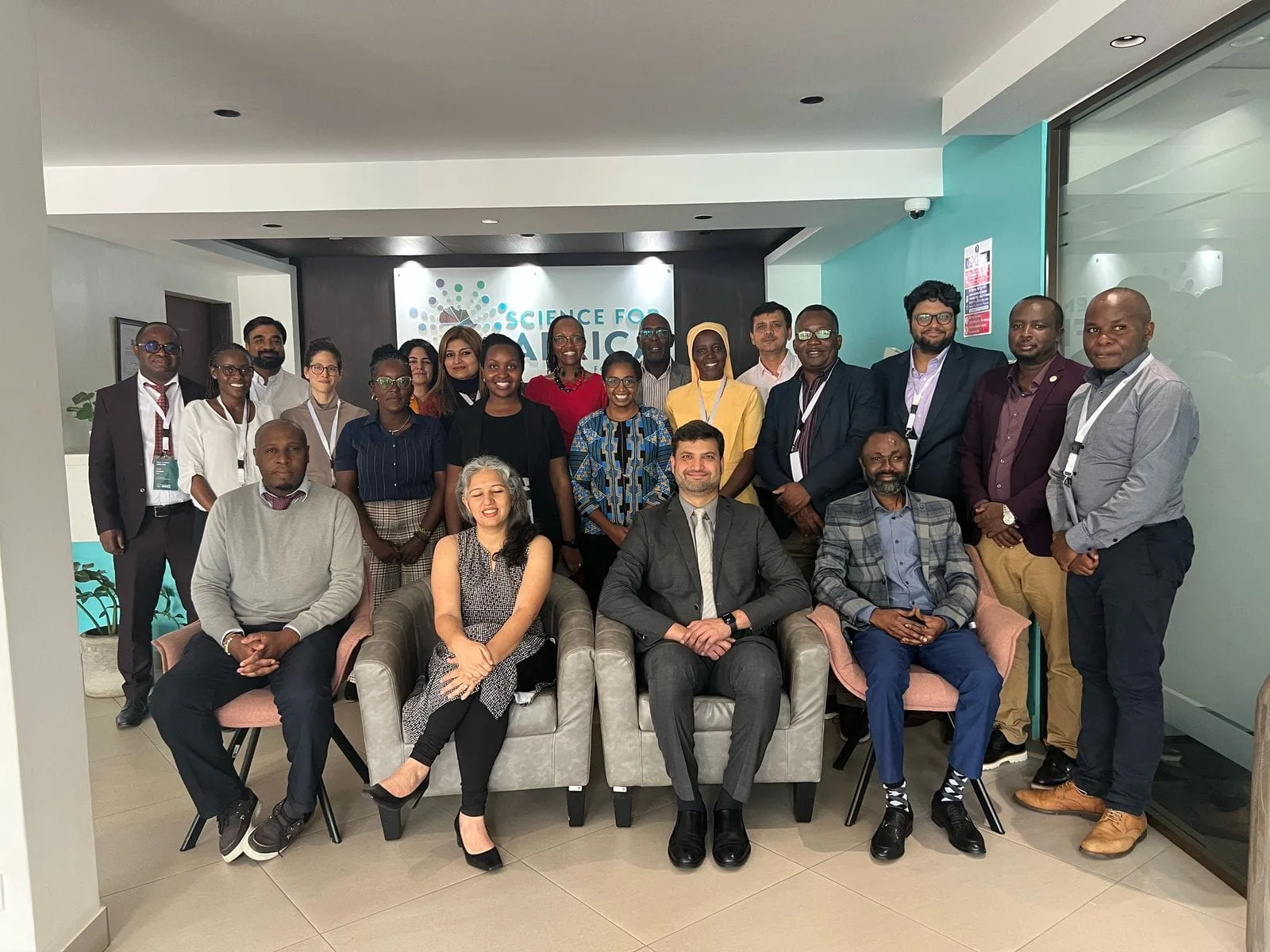
Depression is one of the leading causes of illness and disability among adolescents worldwide. To address this urgent public health concern, our research project aims to generate high-quality longitudinal evidence on how individual and combined stressors contribute to the onset of depressive symptoms in young people.
This groundbreaking study is being conducted in Pakistan, Indonesia, and Colombia in collaboration with young individuals with lived experience of mental health challenges.
Study objectives
Who is involved
Global Institute of Human Development, Shifa Tameer-e-Millat University, Pakistan
Global Youth Mental Health Research Fellowship
The fellowship identifies emerging leaders in child and adolescent mental health in Pakistan, Indonesia and Colombia — early career clinical, academic and lived-experience professionals — and gives them world-class training, mentorship, networking and hands-on global mental health research.
It is designed and run by GIHD at Shifa Tameer-e-Millat University, with The George Washington University, Universitas Gadjah Mada, Universidad de los Andes and The Global Health Network.
Eligibility, what the fellowship offers, the 2026 application timeline and the programme's supervisors and mentors are set out on the fellowship's page.
Peer-reviewed output
Hamdani, S.U., Huma, Z.E., Chakrabarti, B. et al.
BMC Psychiatry 25, 647
Being Initiative
Being Initiative report, 2024
Connected work

Can technology make it possible to train and supervise more non-specialist school counsellors, without compromising the quality of care they provide? A randomised test of technology-assisted cascade training and supervision for EASE.
Pakistan
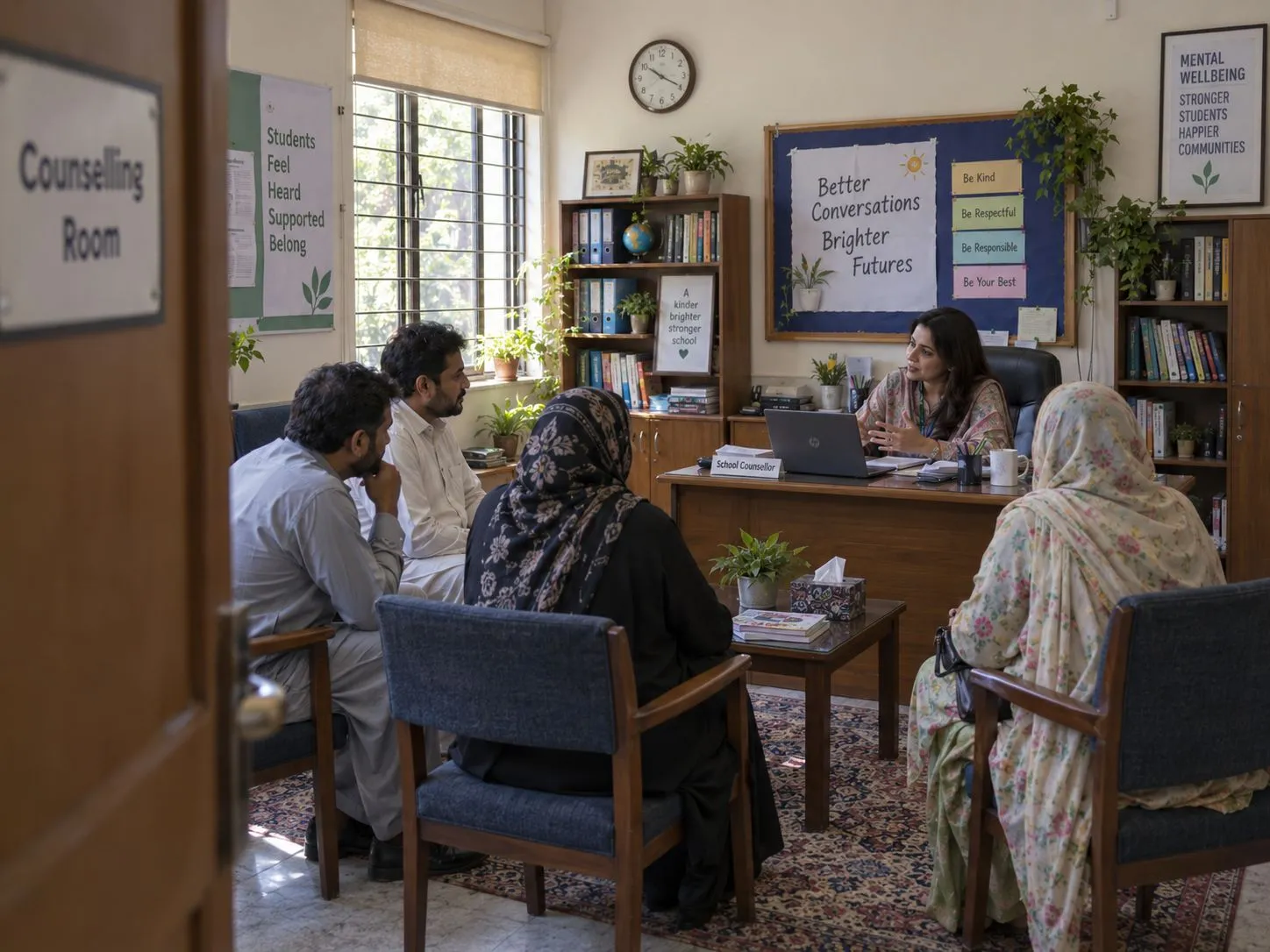
PREVENT is a school- and community-based programme designed to strengthen adolescent mental wellbeing by placing family support at the heart of prevention.
Pakistan
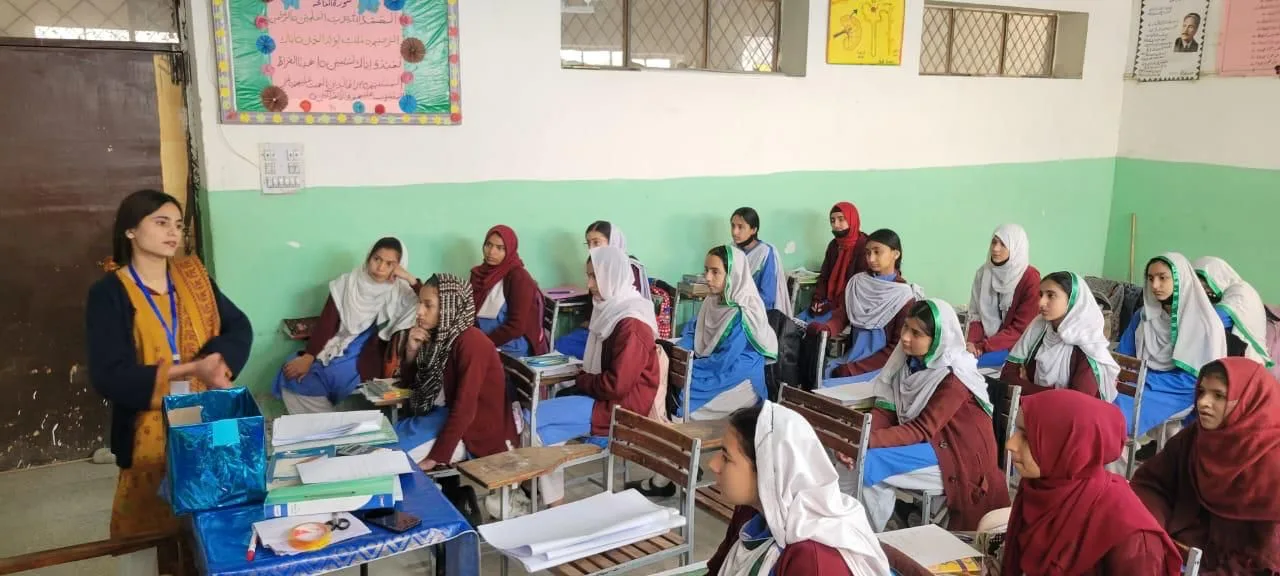
How can better data help Pakistan understand adolescent mental health — and turn that evidence into practical support where young people already live and learn?
Pakistan
Collaborate with GIHD
GIHD partners with international research institutions, government and UN agencies. Get in touch to discuss collaboration, data or publications.
Monday to Friday, 9 am to 5 pm