Loading
DHA Campus, IslamabadMandra Campus, Rawalpindi
Be the support young people need
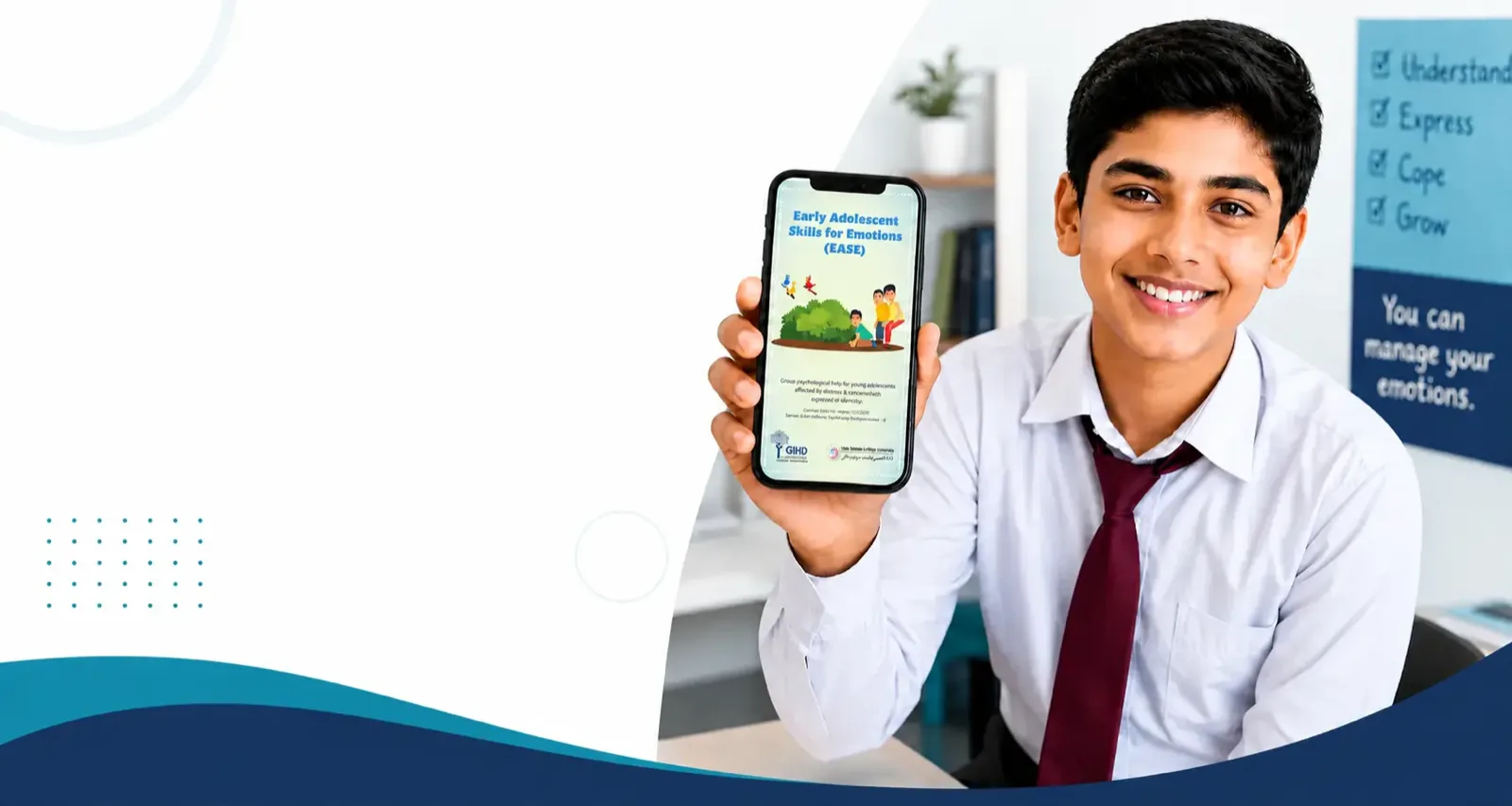
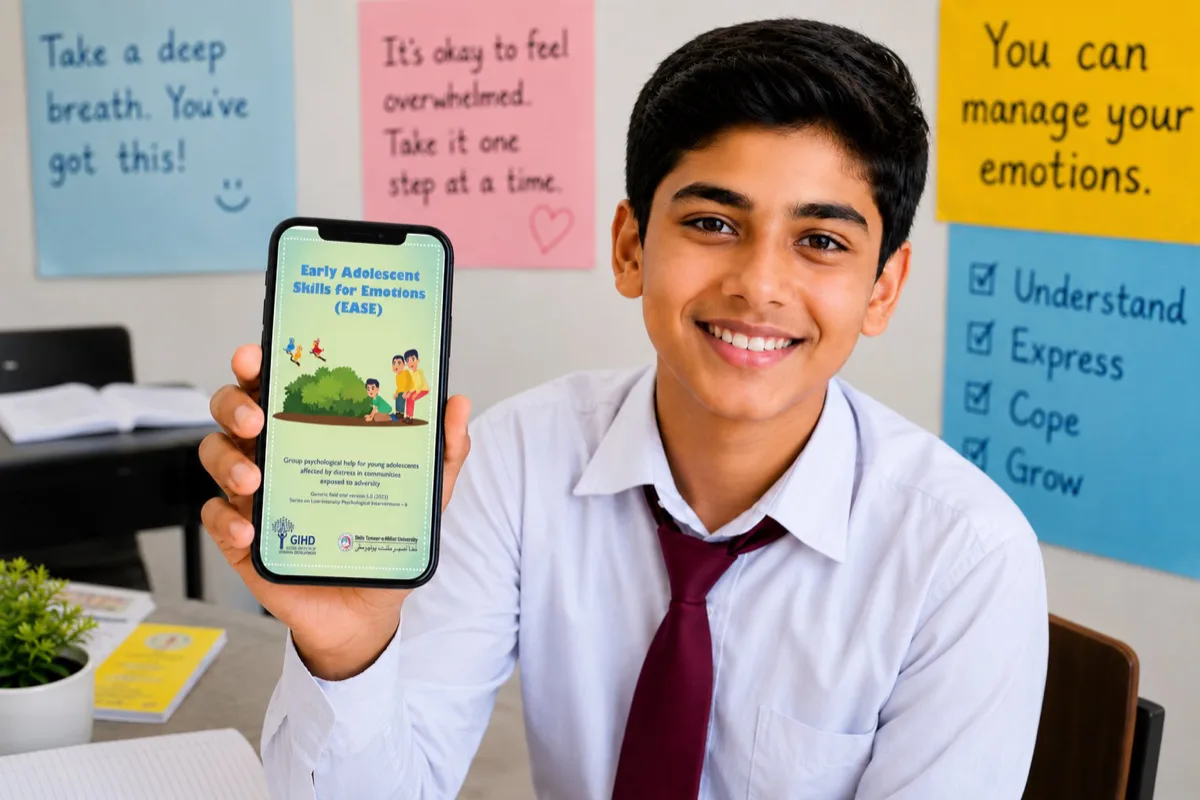
A certified training course that equips graduates with counselling skills to support the emotional wellbeing of young people, built on Early Adolescent Skills for Emotions (EASE).
About this programme
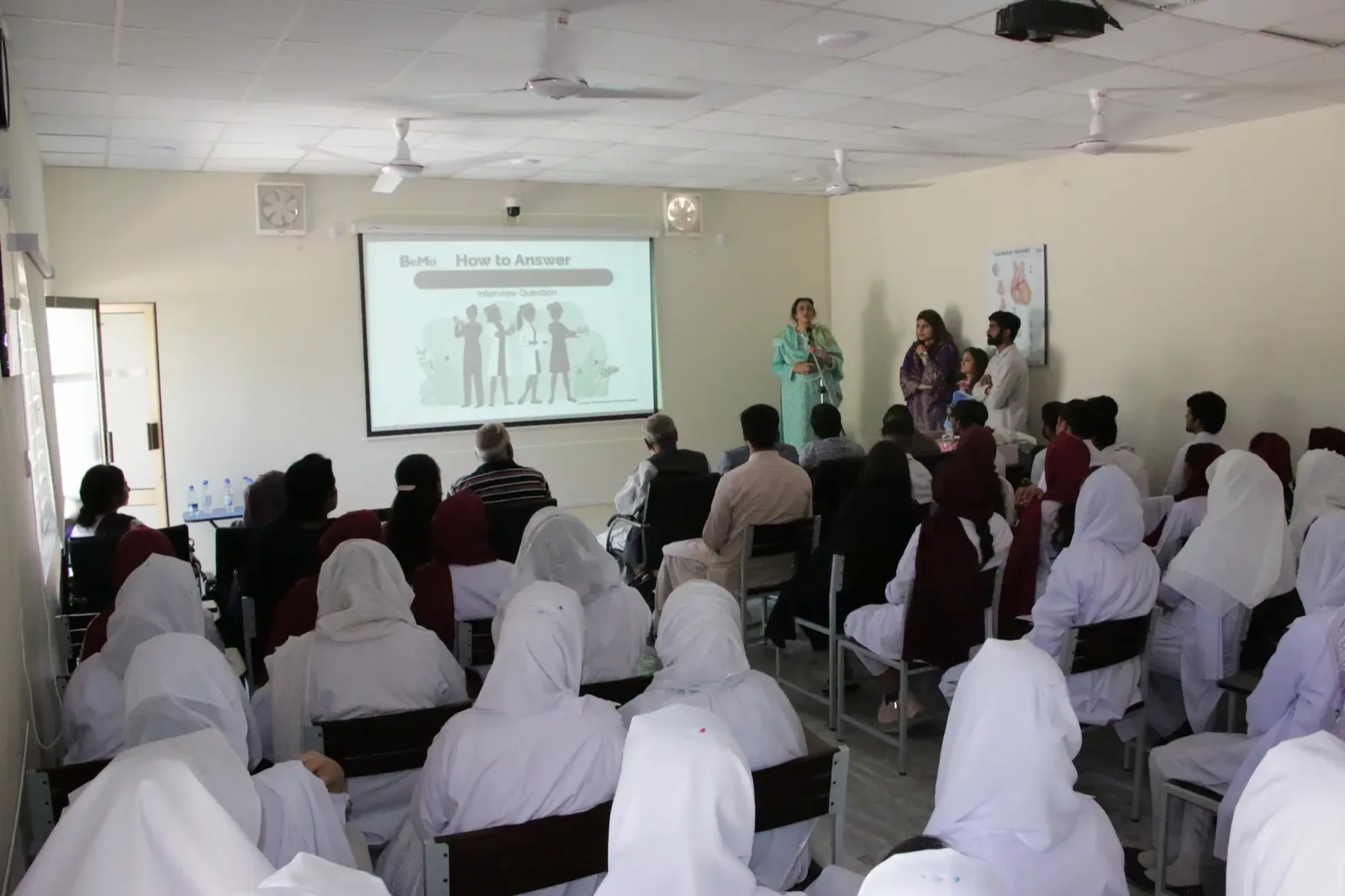
This course is offered by the Global Institute of Human Development (GIHD), an academic and research institution implementing this programme in Pakistan. The programme is backed by strong local evidence: it has been tested in schools and shown to reduce anxiety, depression, and overall distress among adolescents.
EASE is designed to be delivered by non-specialists in group settings, making it practical, scalable, and easy to use in real-world contexts. Through this platform, practitioners gain the skills and support they need to deliver effective, evidence-based care to young people.
This programme focuses on life skills development and peer support. It does not train participants to provide therapy.
Practical skills
The EASE Training Programme builds targeted helping skills through structured, evidence-based content you can apply immediately in schools, community settings, and beyond.
Learning objectives
The curriculum comprises 9 structured digital modules designed to build 10 foundational competencies in adolescent psychosocial support.
Teaching young people about mental health in an accessible, non-clinical way.
Facilitating group sessions confidently, even when dynamics are challenging.
Active listening, empathy, and non-judgemental communication that builds trust.

Helping young people identify, express and manage their emotions effectively.
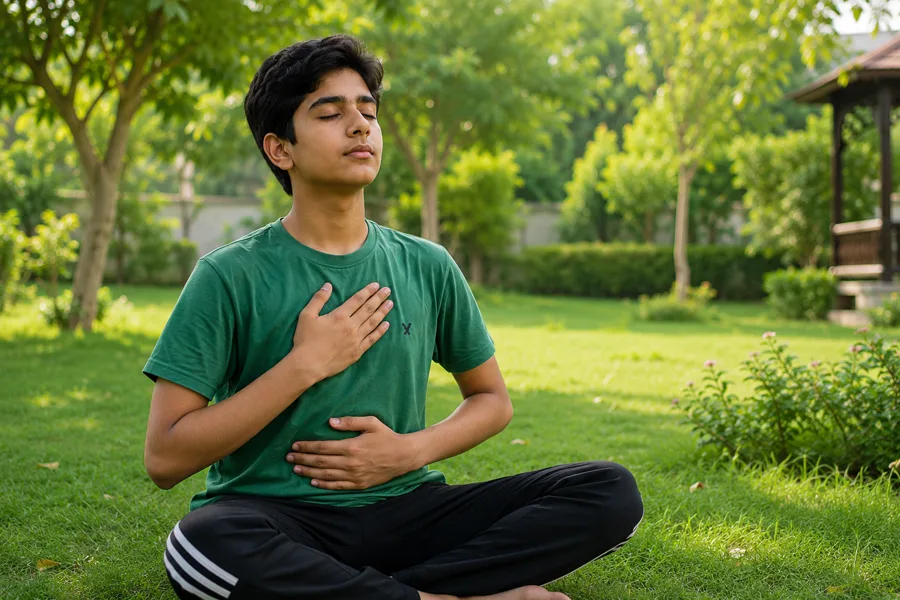
Practical exercises to reduce stress and promote calm in young people.
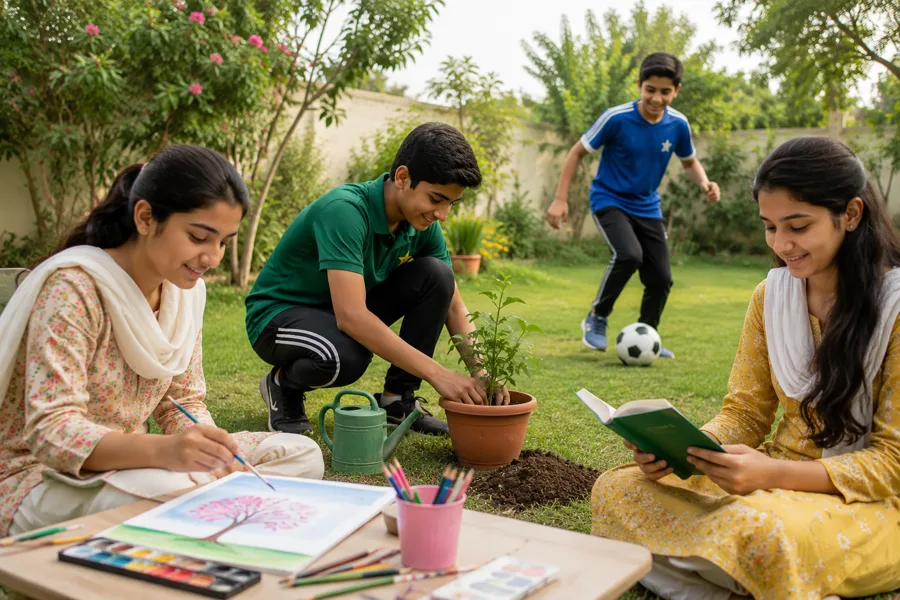
Encouraging meaningful activities to improve mood and daily engagement.
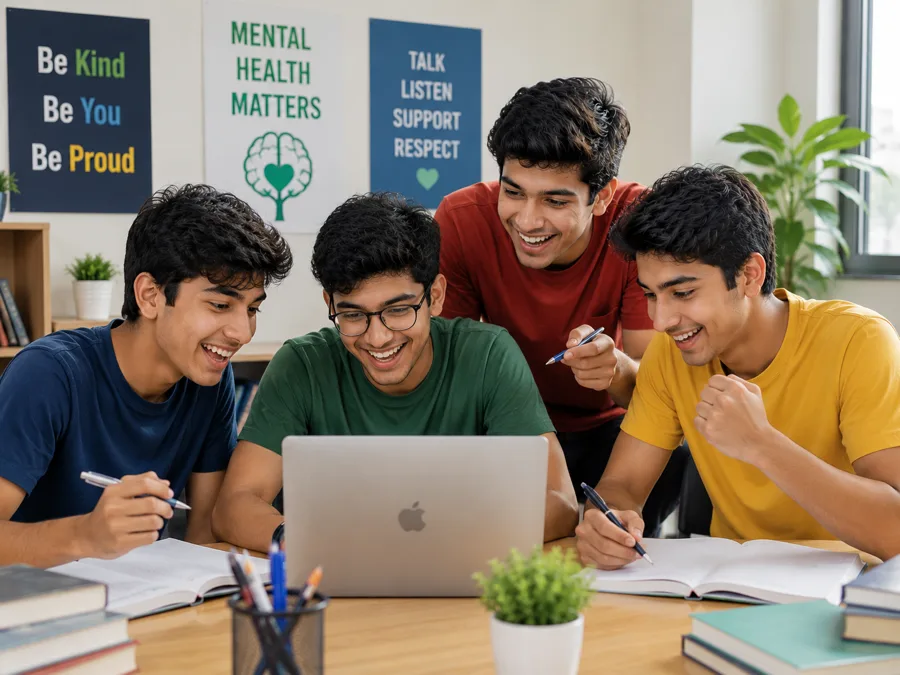
Building structured skills to address everyday challenges effectively.
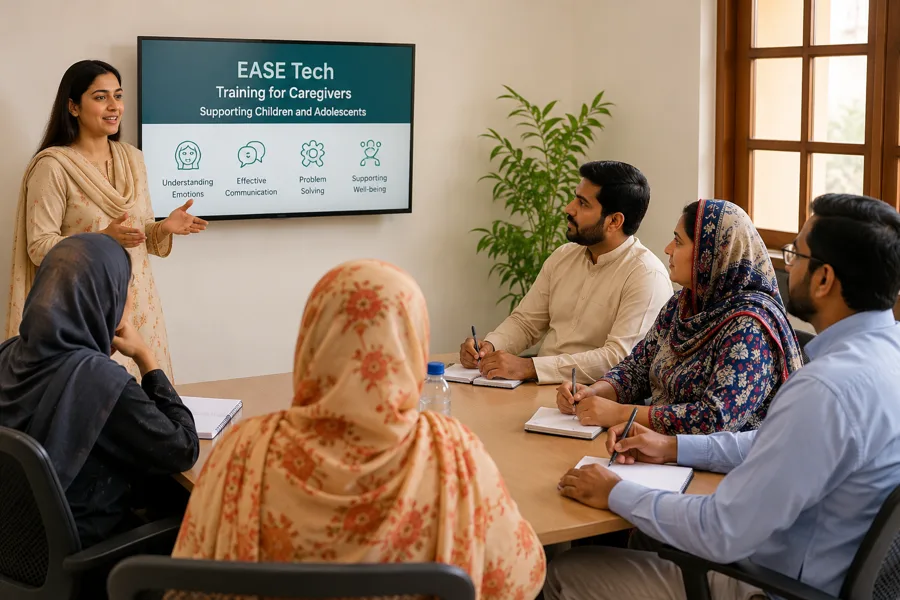
Involving families and caregivers in supporting a young person's progress.
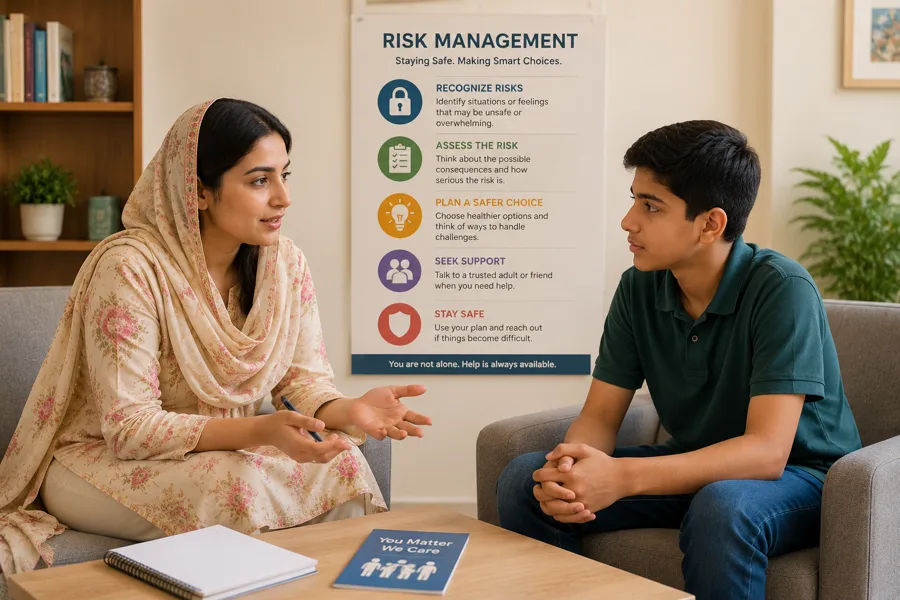
Recognising signs of emotional distress and knowing when to refer.
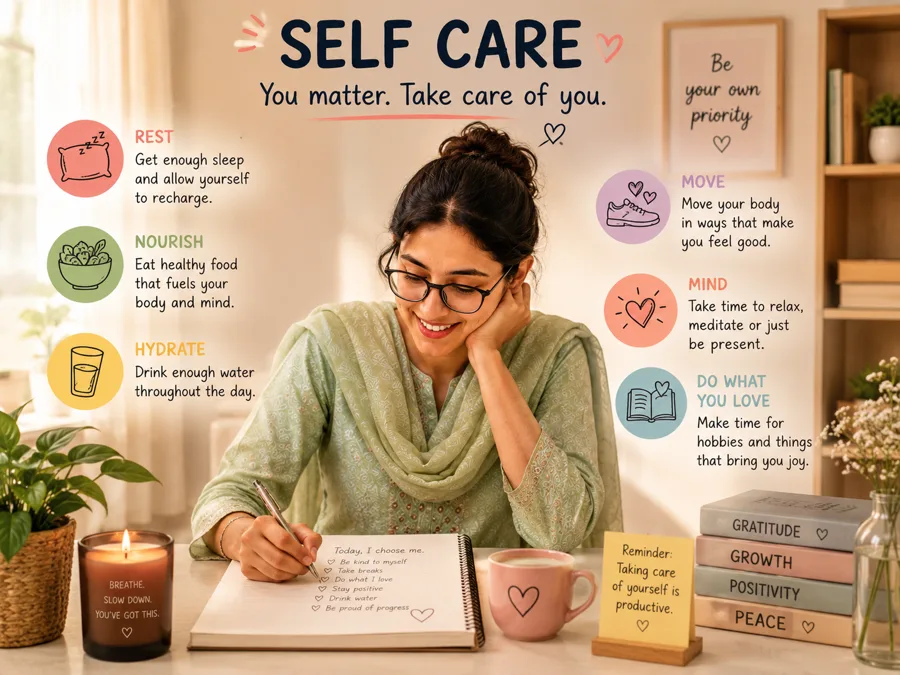
Sustaining your own wellbeing so you can continue showing up for others.
Delivery format
Every element of the EASE Training Programme is built for flexibility, accessibility, and real-world readiness — no prior clinical background needed.
Self-paced, interactive content on your own schedule.
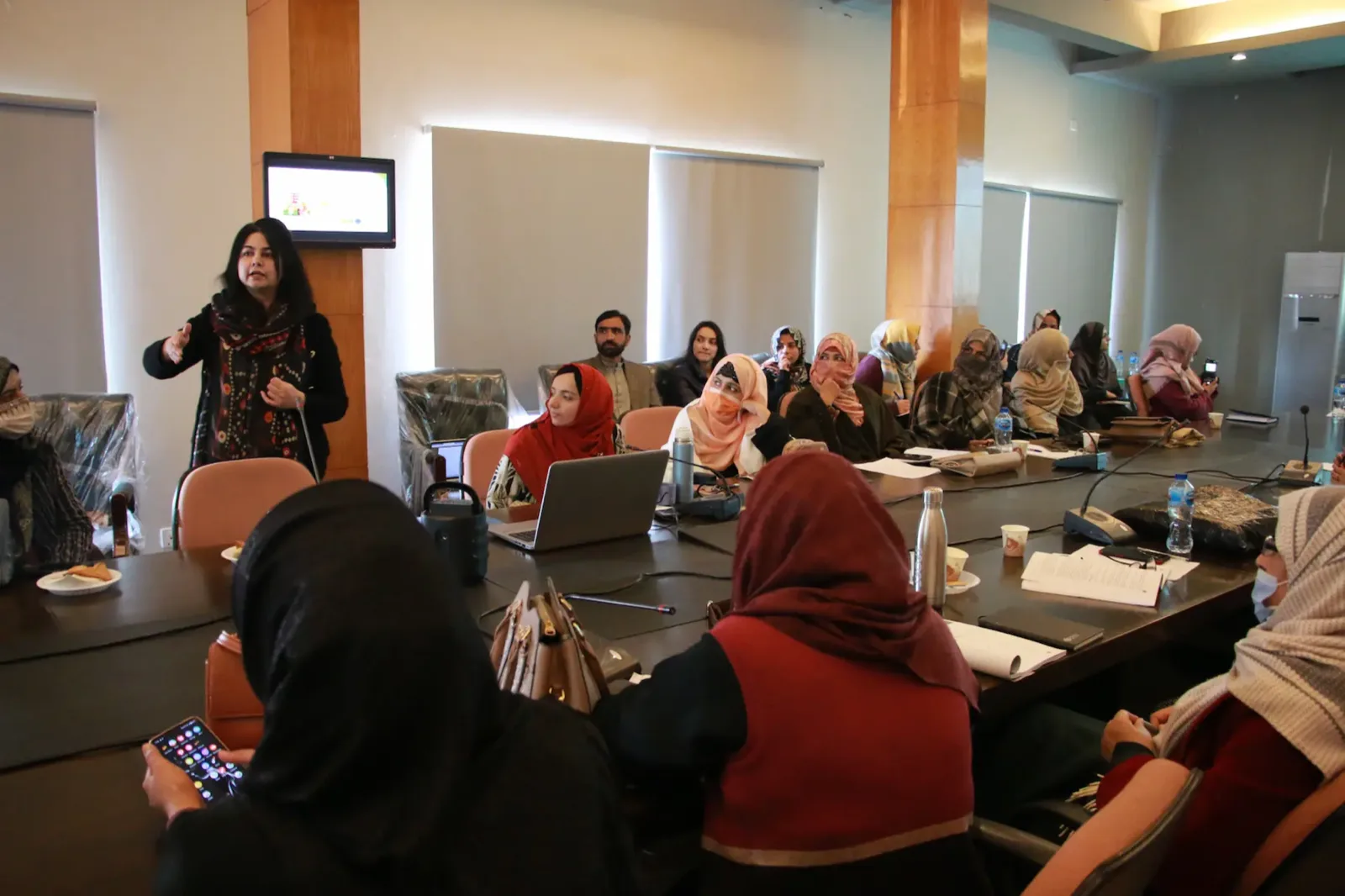
Experienced facilitator support to build confidence.
Scenario-based exercises and reflective checkpoints.
Frameworks ready to use with young people immediately.
Our impact
Figures from GIHD's implementation of EASE in public schools in Pakistan. See the peer-reviewed trial results below.
EASE was evaluated by GIHD in rural Pakistan; the trial results were published in The Lancet Child & Adolescent Health.
Hamdani, S.U., Huma, Z.E., Malik, A., Tamizuddin-Nizami, A., Javed, H., Minhas, F.A., Jordans, M.J.D., Sijbrandij, M., Suleman, N., Baneen, U.U., Bryant, R.A., van Ommeren, M., Rahman, A., Wang, D.
Lancet Child Adolesc Health. 2024 Aug;8(8):559-570
Hamdani, S.U., Huma, Z.E., Tamizuddin-Nizami, A., Suleman, N., Javed, H., Malik, A., Wang, D., & Rahman, A.
Child Adolesc Psychiatry Ment Health. 2022 Jun 21;16(1):47
Hamdani, S.U., Huma, Z.E., Malik, A., Nizami, A.T., Baneen, U.U., Suleman, N., Javed, H., Wang, D., van Ommeren, M., Mazhar, S., Khan, S.A., Minhas, F.A., Rahman, A.
BMJ Open. 2022 Sep 23;12(9):e063607
Trusted collaborators
EASE is a WHO–UNICEF endorsed intervention. These organisations appear on GIHD's published collaborator list for this work.
 Shifa Tameer-e-Millat University
 UNICEF
 Ministry of Health, Pakistan
 World Health Organization
Earn a certificate
On completing all 9 modules and structured check-ins, you will receive a Certificate of Completion issued by the Global Institute of Human Development (GIHD).
This credential verifies competence in delivering non-specialist, group-based emotional support under supervision. It does not confer a clinical license or authorize independent psychotherapy.
Common questions
A nine-module, self-paced GIHD course of about four hours in total, with structured supervision. It teaches non-specialist, group-based skills from Early Adolescent Skills for Emotions (EASE), a WHO–UNICEF endorsed intervention. No prior clinical background is required. Enrolment is through the sign-up form on this page.
No. The programme is life skills and peer support, not therapy training. The Certificate of Completion verifies competence in delivering non-specialist, group-based emotional support under supervision. It does not confer a clinical licence or authorise independent psychotherapy.
The Virtual Training Programme is a free one-month orientation (about 15 hours a week) with three live seminars. This page is the nine-module EASE Training & Certification course with structured supervision and a GIHD Certificate of Completion. Choose the virtual programme if you want a free introduction; choose this course if you want the certified module path.
Teachers, school counsellors, graduates and health professionals who want beginner-level skills for young people's emotional wellbeing in schools and community settings. The page states no prior clinical background is needed. If you are a parent looking for support for a child aged 5–12, see the Child Anxiety Support Programme instead.
GIHD reports implementation in 40 public schools, with 5,856 adolescents screened and weekly group sessions. Trial results were published in The Lancet Child & Adolescent Health. Citations are listed on this page. Scaling work continues under RISE and Technology-Assisted EASE.
Use Sign up and enrol on this page. The schedule is flexible. For other GIHD training (internship, free virtual month, DFM), use those programme pages rather than this form.
Testimonials
This programme gave me practical tools I could immediately use. The structured modules and supervision made me feel genuinely prepared to support young people.
I had no background in mental health, but the beginner-friendly design made everything accessible. The caregiver modules were especially valuable for my work.
The self-care module was something I didn't expect but truly needed. GIHD clearly designed this with the helper's wellbeing in mind — not just the young people.
Next step
Sign up for the programme and start at your own pace.
Monday to Friday, 9 am to 5 pm