Loading
DHA Campus, IslamabadMandra Campus, Rawalpindi
Mental health in Pakistan
GIHD is a not-for-profit institute in Pakistan that studies how to prevent and treat mental health problems, trains the people who deliver care, and works with government on national policy. This page maps that work and links to each part of it.
What we do
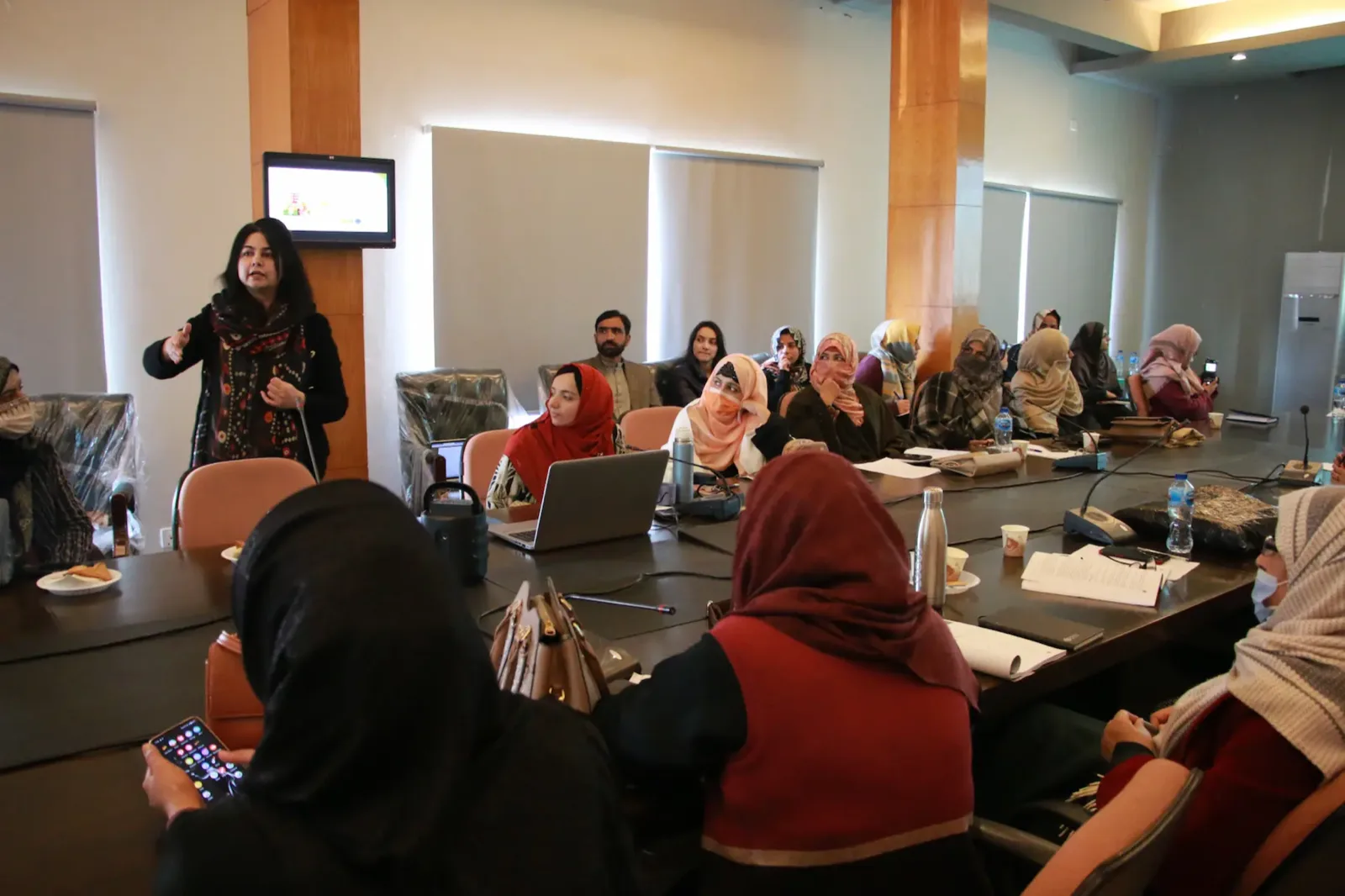
Trials and studies on youth and school mental health, digital support, assessment and climate-related distress, run in Pakistan and with partners abroad.
Learn moreA postgraduate certificate, EASE counsellor certification and family medicine training that build mental health skills in the workforce.
Learn moreWork with federal and provincial government and with WHO and UNICEF, including the Pakistan Global Mental Health Summit.
Learn moreResearch
Current GIHD programmes, most of them focused on how to prevent mental health problems in young people and how to deliver care at scale.
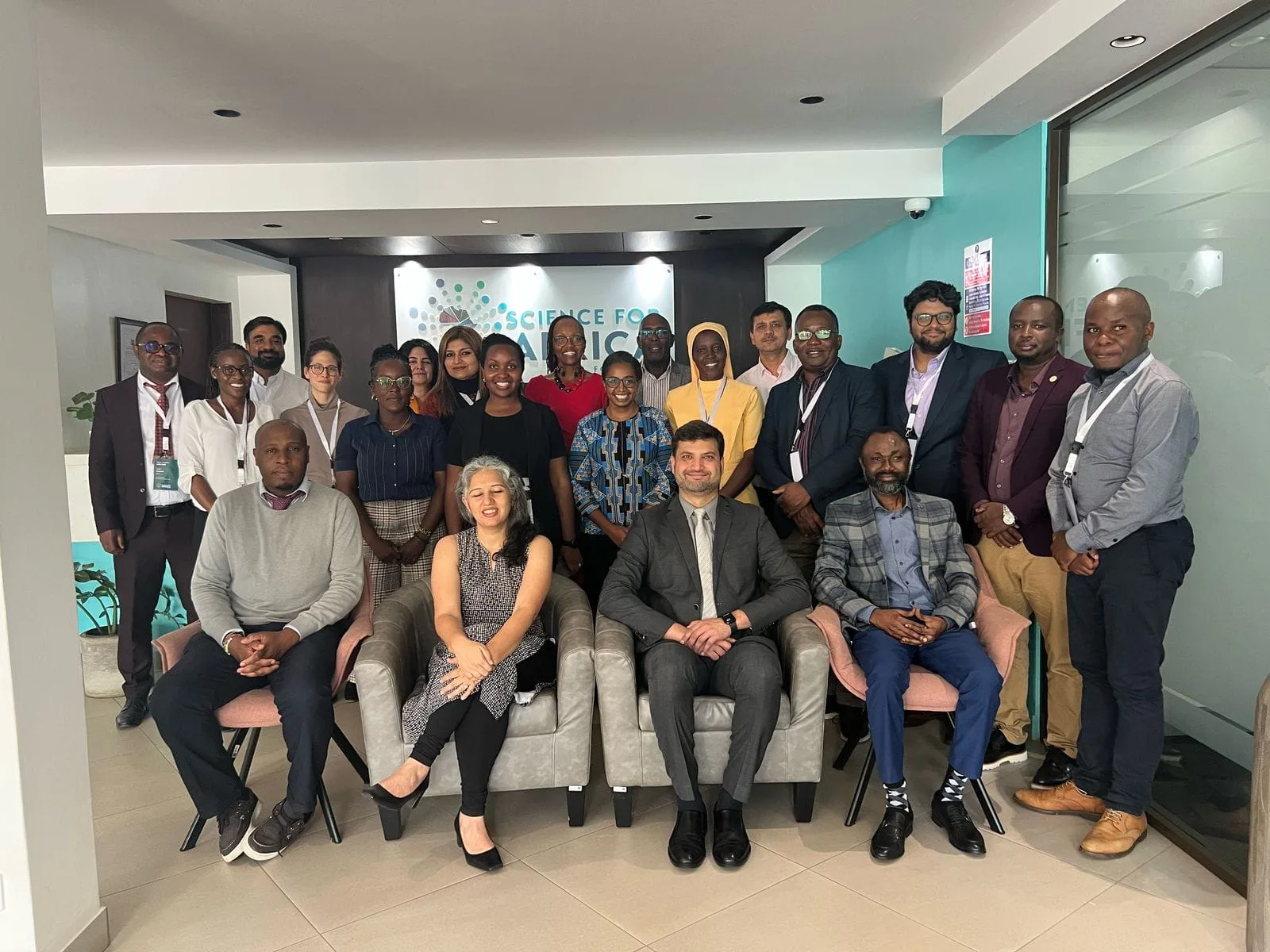
A longitudinal study generating high-quality evidence on how individual and combined stressors contribute to the onset of depressive symptoms in young people, in Pakistan, Indonesia and Colombia.
Pakistan, Indonesia, Colombia

GIHD's stepped-care programme for youth mental health and wellbeing, with its own dedicated site.
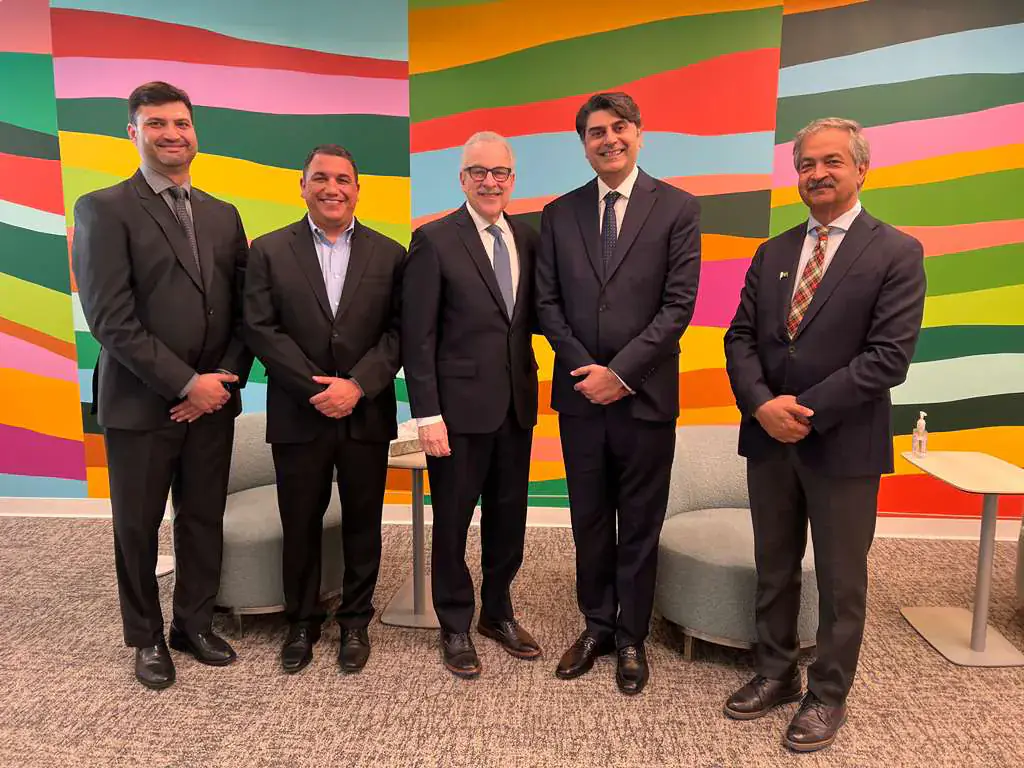
Can technology make it possible to train and supervise more non-specialist school counsellors, without compromising the quality of care they provide? A randomised test of technology-assisted cascade training and supervision for EASE.
Pakistan
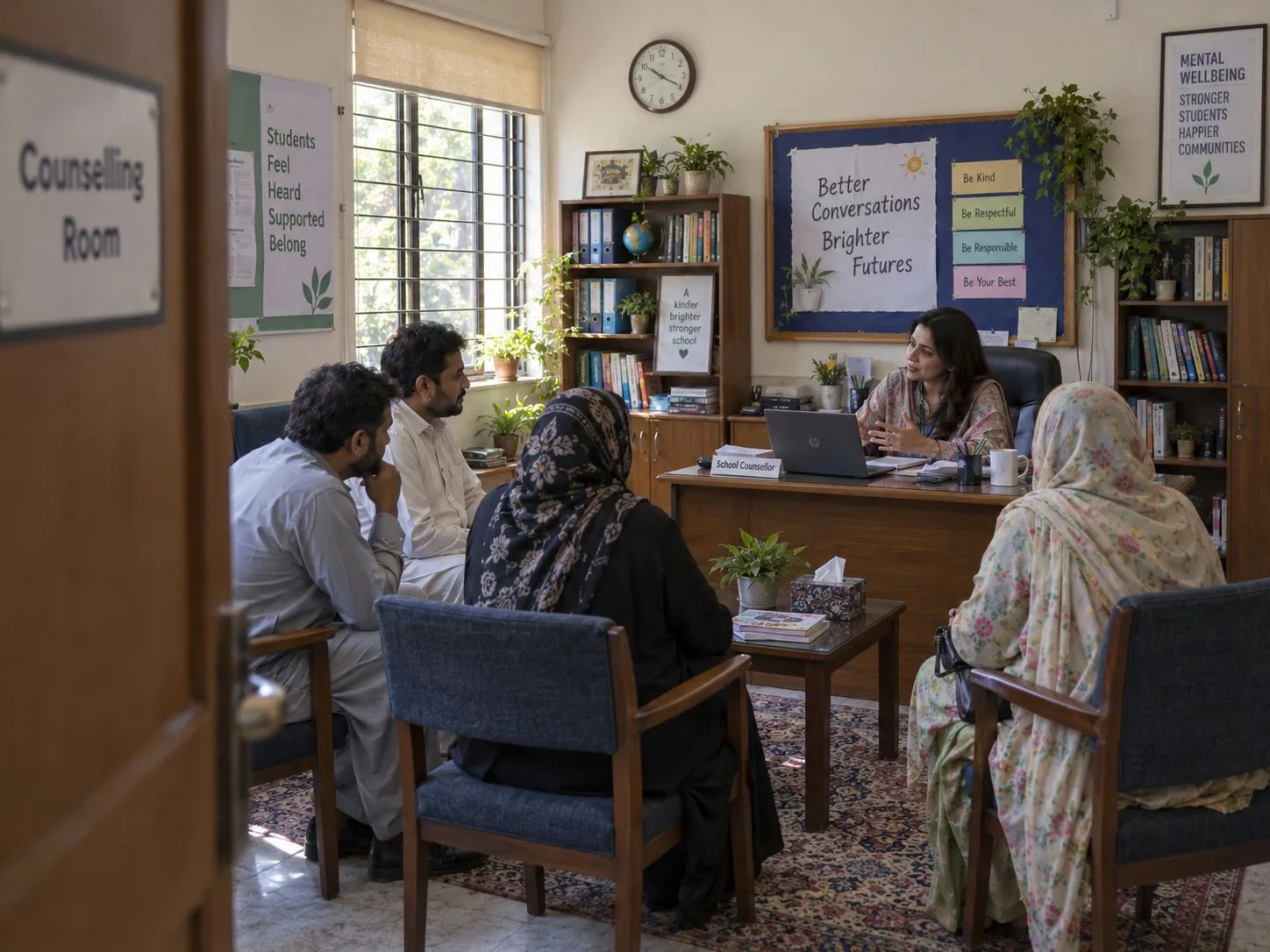
PREVENT is a school- and community-based programme designed to strengthen adolescent mental wellbeing by placing family support at the heart of prevention.
Pakistan
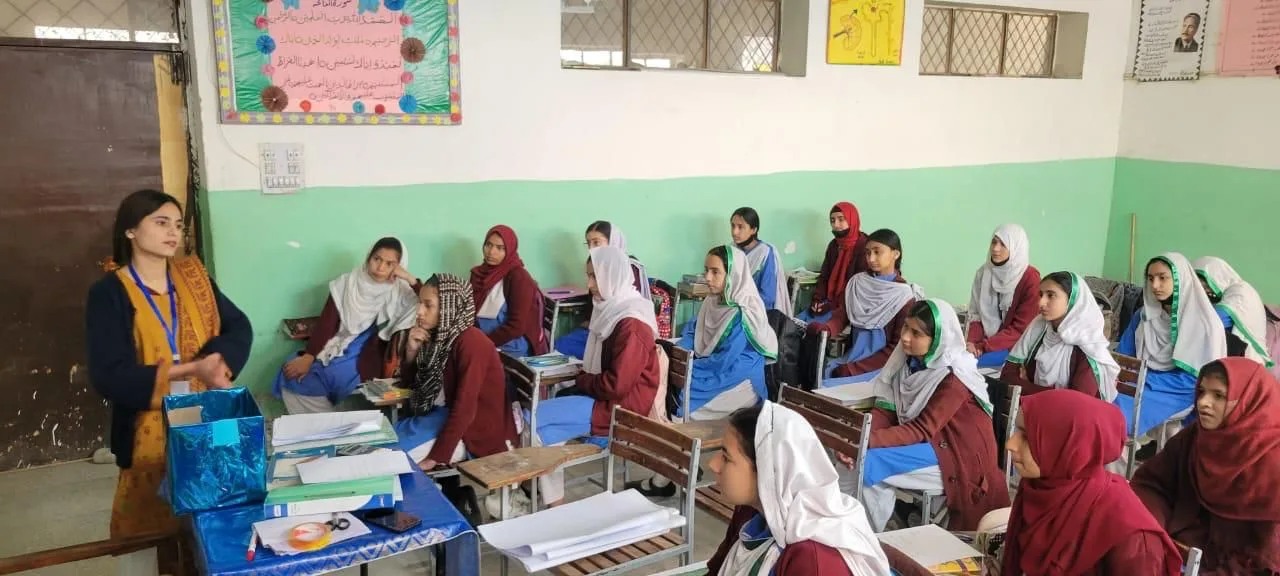
How can better data help Pakistan understand adolescent mental health — and turn that evidence into practical support where young people already live and learn?
Pakistan
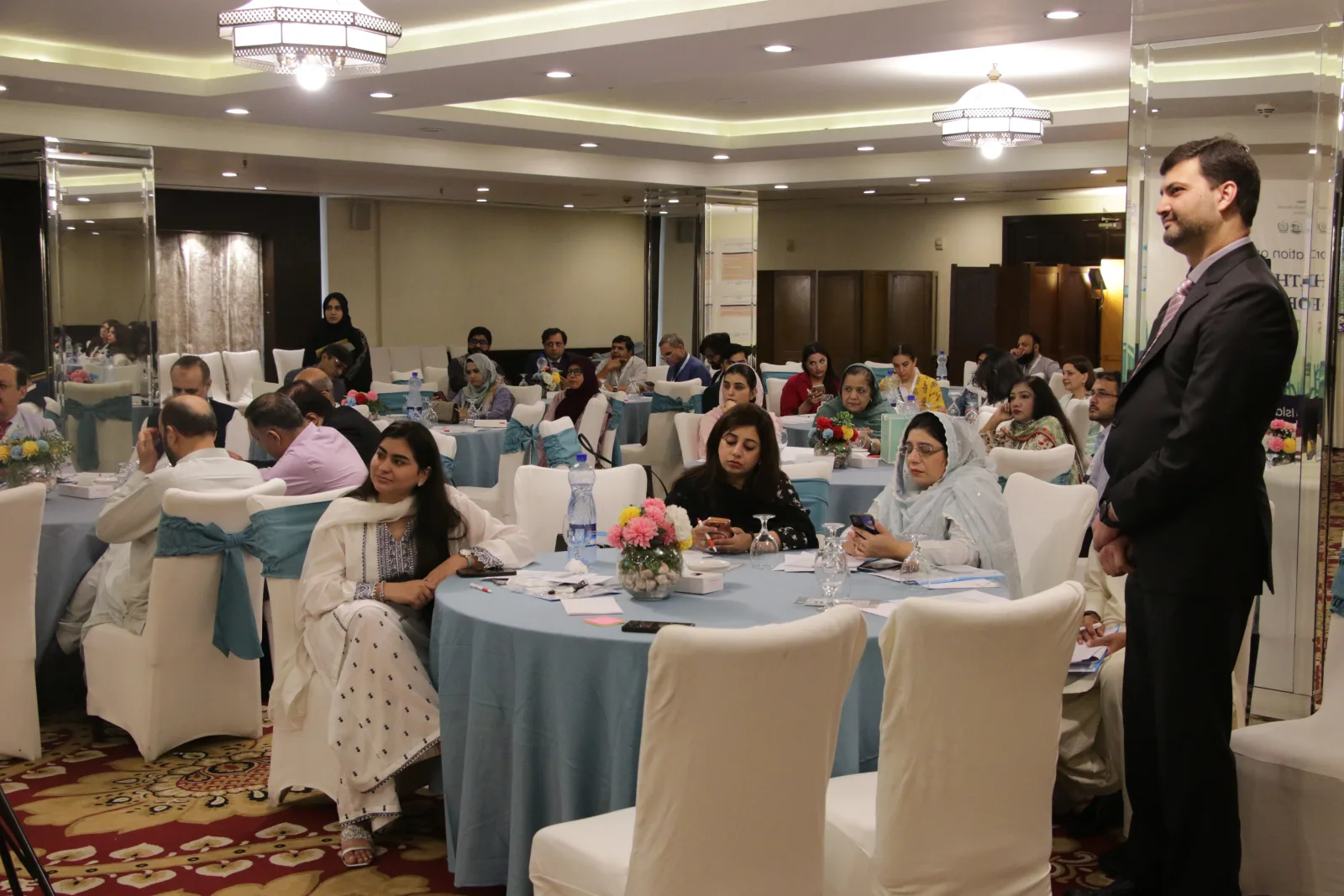
Taking EASE, a WHO–UNICEF endorsed group psychological intervention, into routine child and adolescent mental health services across all four provinces of Pakistan — and studying what it takes to sustain it there.
Pakistan
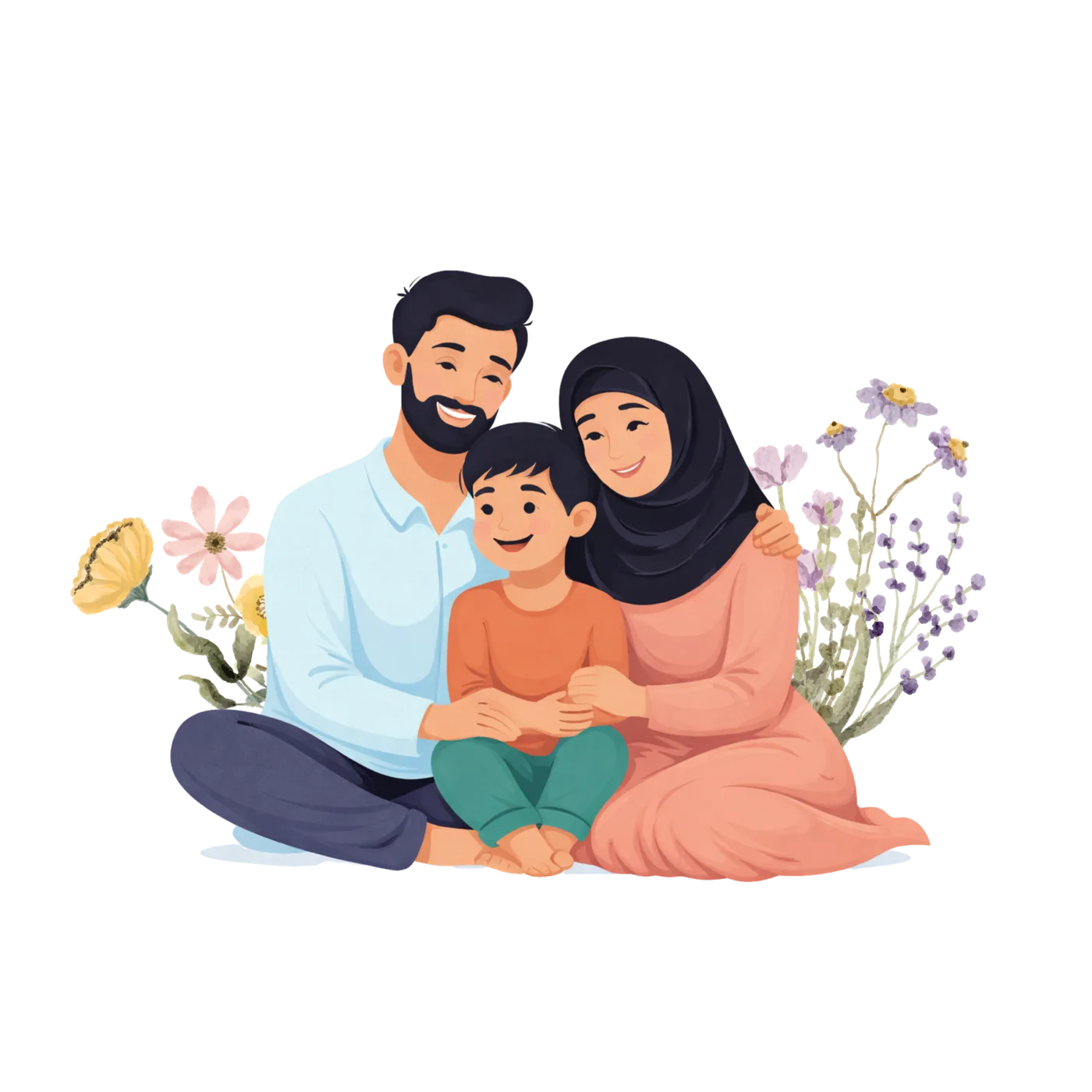
Can evidence-based digital psychological support be adapted to work for children and families in different cultural and healthcare settings? GLOW-CAT is adapting, testing and evaluating a parent-led online CBT programme across six countries, including Pakistan.
Pakistan, United Kingdom, Japan, Chile, Philippines, Thailand
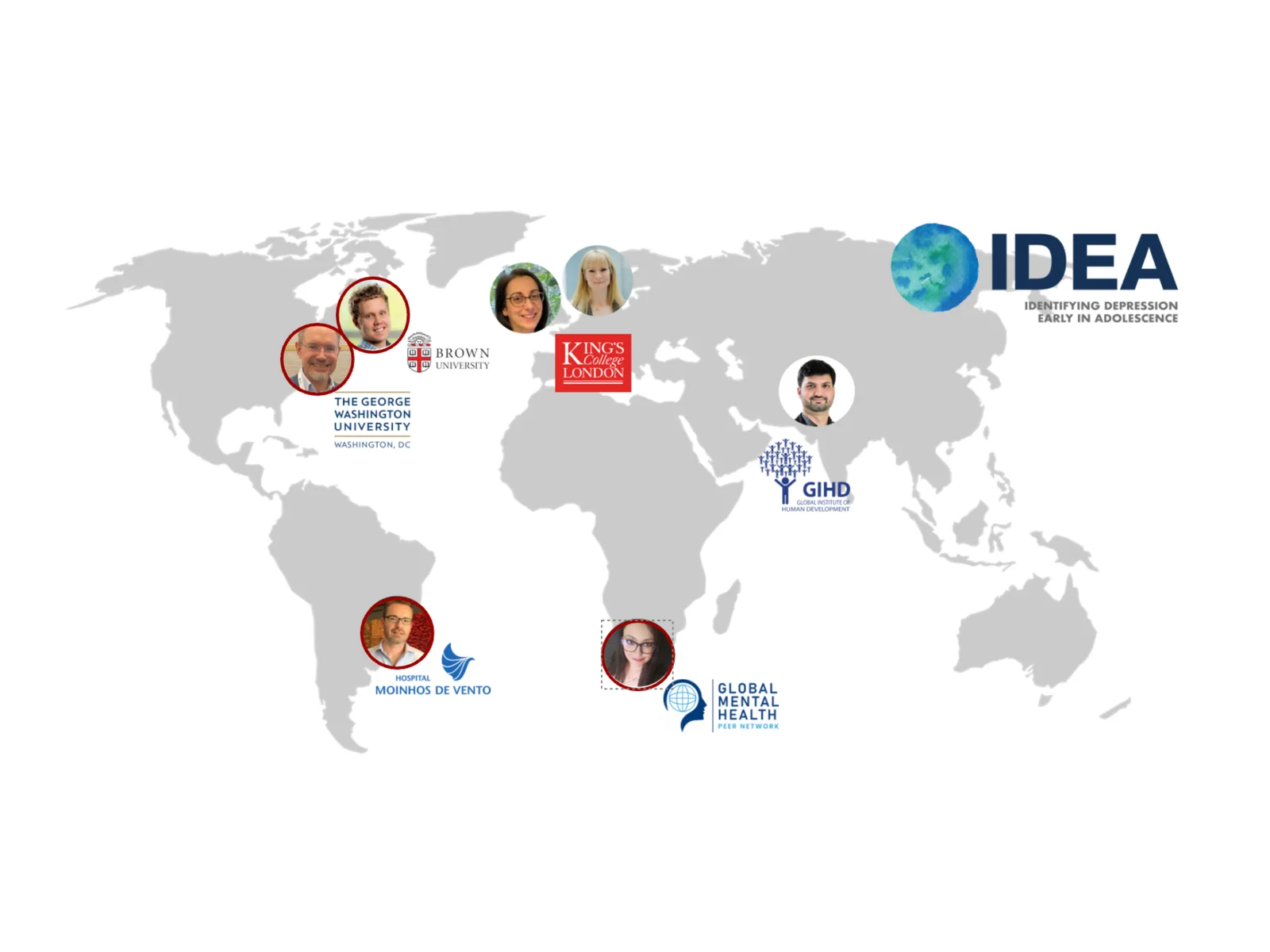
Can we identify which adolescents are most at risk of depression — and use that knowledge to prevent it before it takes hold? IDEA-IMPACT connects risk prediction to preventive action.
Pakistan, Brazil, USA, UK, South Africa
Building a culturally relevant, validated approach to identifying mental health conditions in adolescents and adults in community settings — and contributing to Pakistan's National Mental Health Data Dashboard.
Pakistan
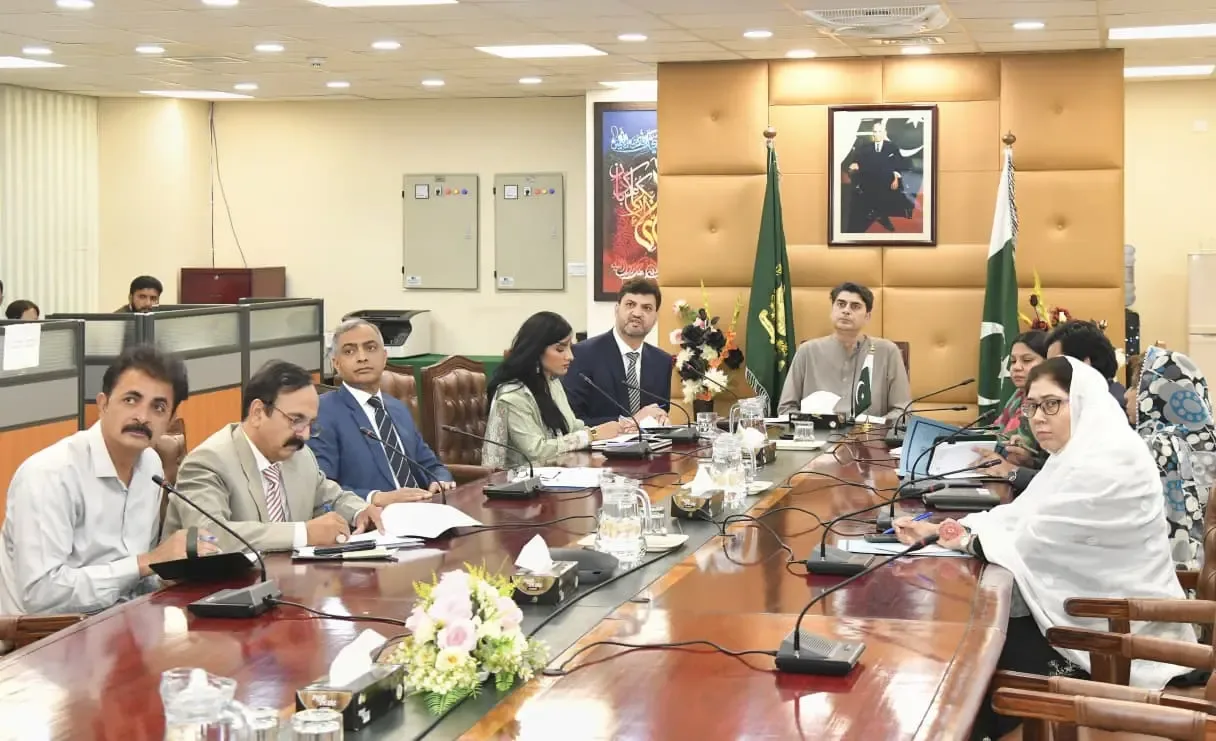
Making mental health a core part of climate resilience — a 36-month programme working with federal and provincial government to write mental health into Pakistan's climate, health and disaster-risk planning.
Pakistan
Training
Courses for clinicians, counsellors and researchers who work on mental health in Pakistan.
 Registration open
Systematic training for General Practitioners to identify and manage priority mental health problems in routine practice, and to conduct research under supervision. Supported by WHO and the Ministry of NHSR&C.
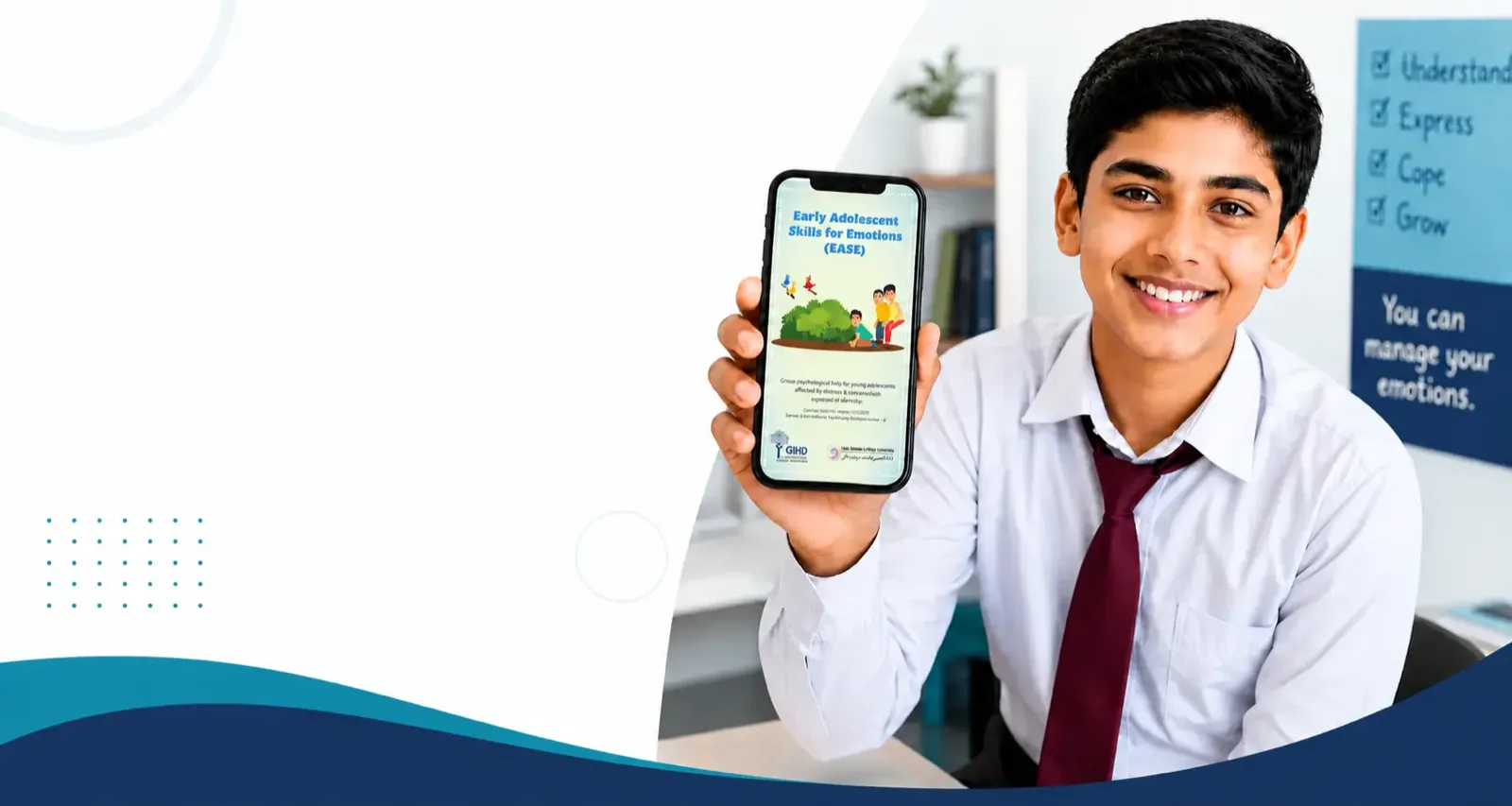
A certified training course that equips graduates with counselling skills to support the emotional wellbeing of young people, built on Early Adolescent Skills for Emotions (EASE).
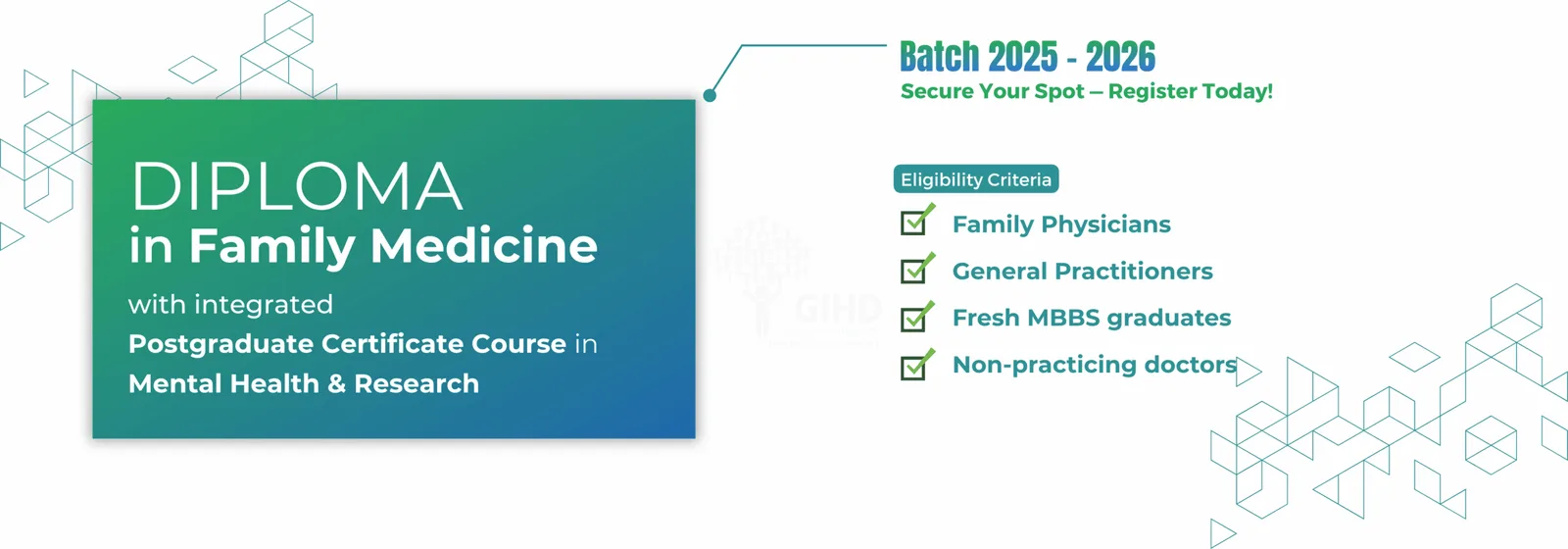 Registration open
A one-year blended diploma for General Practitioners, aligned with the WHO Framework for Regional Diploma in Family Medicine and offered throughout Pakistan by Shifa Tameer-e-Millat University.
Policy and events
Held 1–2 October 2026 at the Serena Hotel, Islamabad, Pakistan. Hosted by the Ministry of National Health Services, Regulations and Coordination, Government of Pakistan, with GIHD–STMU, UNICEF, WHO.
Read moreThe four-stage national process behind Pakistan's National Mental Health Policy 2026–35, from the first MNHSR&C meeting to its launch at the summit.
Read moreGIHD's reflection on the 2025 theme, "Access to Services: Mental Health in Catastrophes and Emergencies".
Read moreMaking mental health a core part of climate resilience — a 36-month programme working with federal and provincial government to write mental health into Pakistan's climate, health and disaster-risk planning.
Read moreA regional mapping across eight South Asian countries, commissioned by UNICEF, profiling existing child and adolescent mental health systems and identifying priority gaps.
Read moreQuestions
The Global Institute of Human Development (GIHD) is a not-for-profit, research-intensive institute in Pakistan working across mental health, public health, education and human development. It is part of Shifa Tameer-e-Millat University (STMU).
GIHD's current research focuses on youth and adolescent mental health: school and family-based prevention (PREVENT), scaling the WHO–UNICEF endorsed EASE intervention (RISE), digital support for child anxiety (GLOW-CAT), early identification of adolescent depression (IDEA-IMPACT), validated assessment tools (FLII-11), and climate and mental health policy.
GIHD offers a Postgraduate Certificate in Mental Health and Research for Universal Health Coverage, EASE Training and Certification for counsellors working with young people, and a Diploma in Family Medicine that includes mental health training for general practitioners.
The Pakistan Global Mental Health Summit 2026 took place on 1–2 October 2026 at the Serena Hotel, Islamabad, Pakistan. It was hosted by the Ministry of National Health Services, Regulations and Coordination, Government of Pakistan, with GIHD–STMU, UNICEF, WHO as co-hosts.
No. GIHD is a research and education institute, and this page is information rather than clinical advice. If you or someone you know is in immediate danger, contact local emergency services or a qualified health professional.
Researchers, institutions and government partners can send an enquiry through the contact page. Students and graduates can look at the paid internship and free virtual training on the opportunities page.
Sources
Where to read more from the organisations GIHD works with. This page describes GIHD's work and is not clinical advice.
WHO's report on the Pakistan Global Mental Health Summit 2026, the source of the 32.4 million figure.
WHO's overview of mental health, conditions and care.
WHO's programme for scaling up mental health care in non-specialist settings.
UNICEF's work for children and young people in Pakistan.
The federal ministry that hosted the summit and leads national health policy.
Last updated by the GIHD team.
Work with us
Researchers, institutions and government partners can write to [email protected] or send an enquiry. Students can look at paid internships and free virtual training.
Monday to Friday, 9 am to 5 pm