

Loading
DHA Campus, IslamabadMandra Campus, Rawalpindi
Promoting Wellbeing Through Family Support in Young People Using Non-Specialists
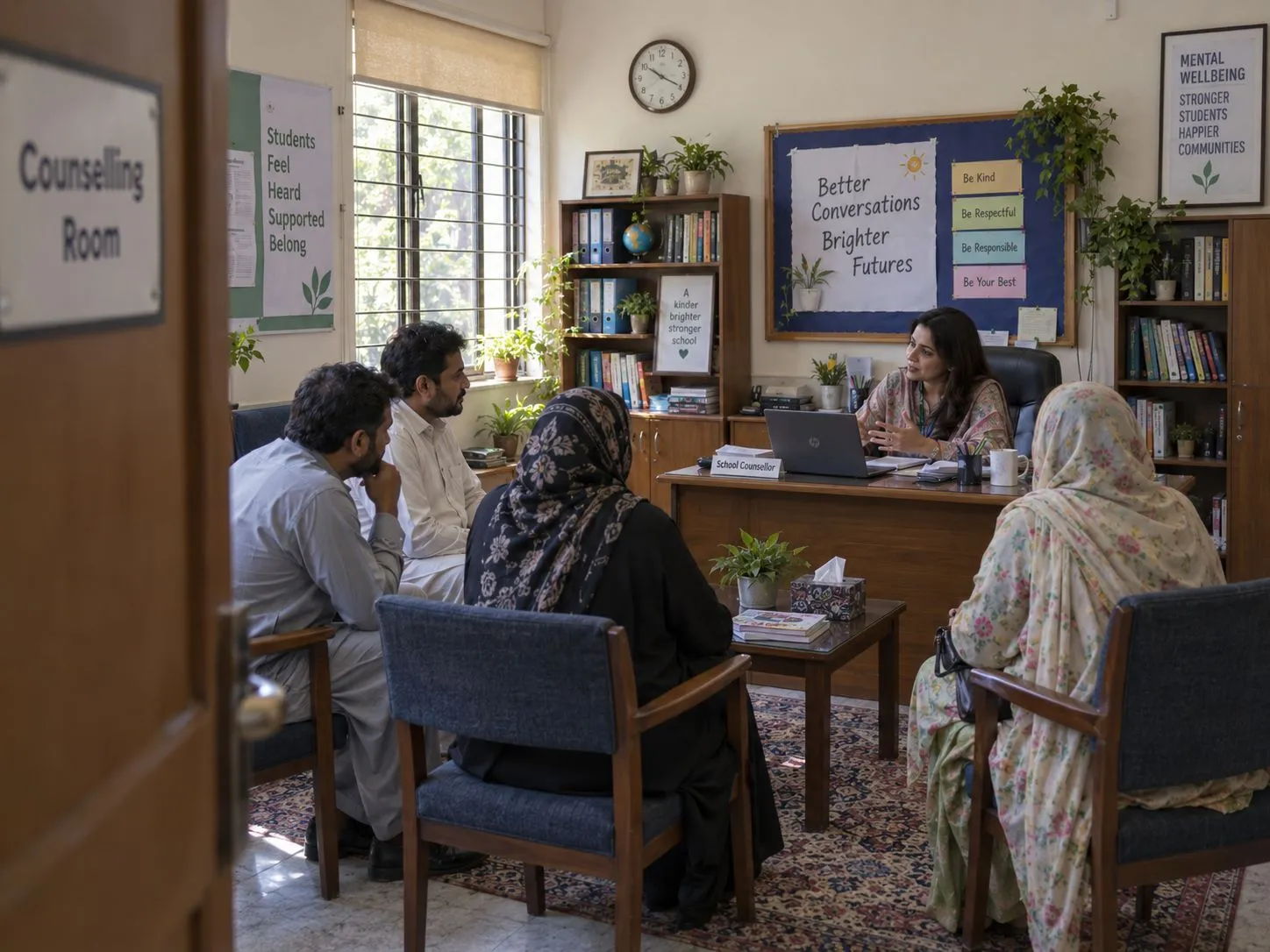
PREVENT is a school- and community-based programme led by the Global Institute of Human Development (GIHD), Shifa Tameer-e-Millat University (STMU), designed to strengthen adolescent mental wellbeing by placing family support at the heart of prevention.
The programme brings adolescents and their caregivers together to build practical skills for managing stress, improving communication, strengthening relationships, and supporting emotional wellbeing.
Adolescence is a critical period for mental health, yet many young people in Pakistan have limited access to timely and preventive mental health support.
For adolescents in low-resource public school communities, challenges such as academic pressure, poverty, exposure to adversity, and limited family support can affect their emotional wellbeing.
At the same time, caregivers may not always have the knowledge, skills, or support they need to recognise distress and respond effectively.
There is therefore a need for accessible, preventive approaches that support young people while also strengthening the families around them.
PREVENT was developed to address this gap.
PREVENT recognises that adolescent wellbeing does not exist in isolation.
The programme works with both adolescents and their caregivers, helping families develop practical skills that can be used in everyday life.
PREVENT supports young people to:
PREVENT supports caregivers to:
Together, these components aim to create stronger and more supportive family environments for young people.
A key feature of PREVENT is its non-specialist delivery model.
The programme is delivered by trained and supervised facilitators who do not need to be specialist mental health professionals. This approach has the potential to expand access to evidence-based support in settings where specialist services are limited.
By working through schools and community settings, PREVENT aims to develop a model that can be integrated into existing systems and sustainably delivered at scale.
PREVENT is designed not only to provide support, but also to generate evidence about what works, for whom, and how.
The project will evaluate the effectiveness of a combined adolescent–caregiver intervention and explore the mechanisms through which family support can contribute to better adolescent mental wellbeing.
The evidence generated will help inform pathways for sustainable implementation and expansion to other communities and low-resource settings.
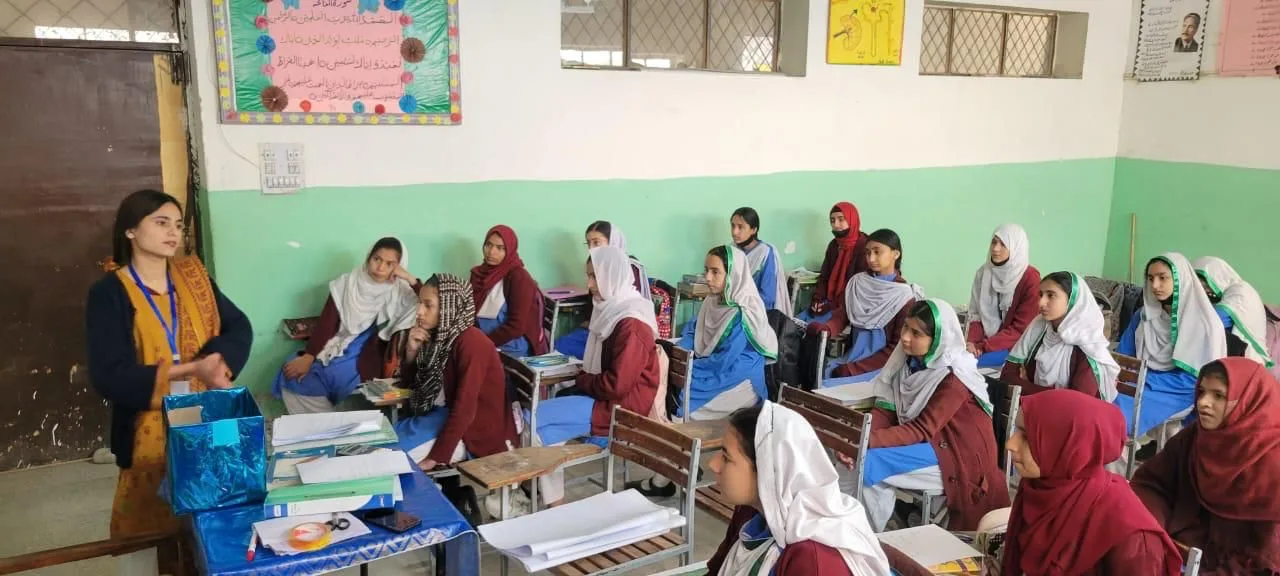
PREVENT focuses on adolescents aged 10–15 years experiencing early signs of psychological distress and their caregivers in public school communities in rural Rawalpindi, Pakistan.
The programme also has wider potential benefits for:
Building capacity to recognise and support adolescent wellbeing.
Providing practical tools to strengthen relationships and emotional support.
Generating evidence and implementation pathways for family-centred preventive mental health services.
PREVENT builds on learning from GIHD's work in adolescent mental health, including the EASE programme, a school-based psychological intervention for adolescents.
Through this work, an important need emerged: support for adolescents alone may not be enough when the family environment also influences their wellbeing.
PREVENT responds to that learning by bringing caregivers more meaningfully into the prevention and support process.
PREVENT is exploring a simple but important question:
What happens when we support young people by strengthening the families around them?
By combining evidence-based psychological skills, caregiver support, non-specialist delivery, and existing school and community structures, PREVENT aims to make preventive mental health support more accessible, more family-centred, and more scalable.
Connected work
A longitudinal study generating high-quality evidence on how individual and combined stressors contribute to the onset of depressive symptoms in young people, in Pakistan, Indonesia and Colombia.
Pakistan, Indonesia, Colombia

Can technology make it possible to train and supervise more non-specialist school counsellors, without compromising the quality of care they provide? A randomised test of technology-assisted cascade training and supervision for EASE.
Pakistan
How can better data help Pakistan understand adolescent mental health — and turn that evidence into practical support where young people already live and learn?
Pakistan