

Loading
DHA Campus, IslamabadMandra Campus, Rawalpindi
SNF Global Center Research Fellowship
Can technology make it possible to train and supervise more non-specialist school counsellors, without compromising the quality of care they provide? A randomised test of technology-assisted cascade training and supervision for EASE.
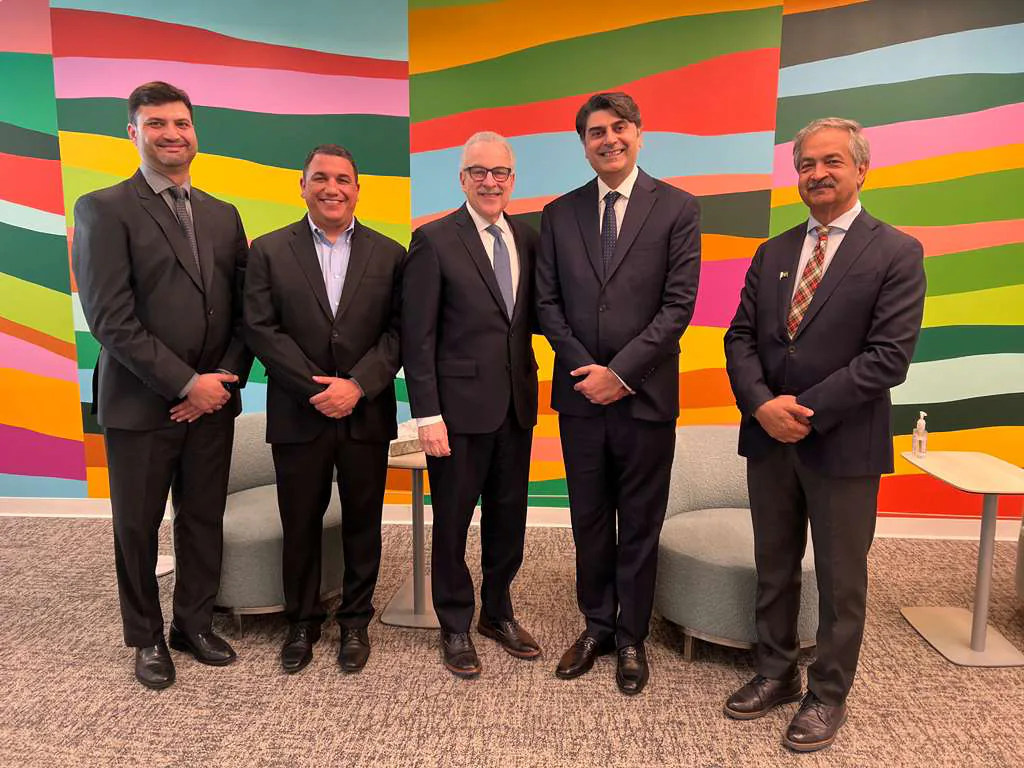
A research fellowship with a wider legacy
The project is part of Dr Syed Usman Hamdani's SNF Global Center Research Fellowship at the Child Mind Institute, focused on addressing inequities in evidence-based child and adolescent mental health services in low-resource settings. The fellowship combines research, international collaboration and capacity building.
The wider fellowship programme is designed to support researchers in low- and middle-income countries to address local mental health needs while developing research with relevance beyond their own countries.
The challenge
There is growing evidence that trained non-specialists can deliver effective psychological interventions to young people. But scaling this approach presents a major challenge: who will train and supervise the growing workforce?
In Pakistan, specialist mental health professionals are concentrated in urban centres, while many young people in rural and underserved communities have little access to psychological support. Traditional specialist-led training and supervision are also difficult and costly to expand.
The research
This research explores whether low-cost technology can transform the way non-specialist school counsellors are trained and supervised to deliver EASE.
The study builds on GIHD's research on the WHO Early Adolescent Skills for Emotions (EASE) intervention, which has been tested in public schools in Pakistan and shown to reduce psychosocial distress among adolescents. EASE is now included in the WHO-UNICEF Helping Adolescents Thrive (HAT) Toolkit for large-scale implementation.
Tier 1: Expert Oversight
Clinical psychologists from GIHD and Child Mind Institute who conduct initial certification and provide continuous supervisory governance.
Tier 2: Cascade Delivery
Experienced community facilitators trained to deliver standardized instruction using digital simulation and pedagogical tools.
Tier 3: Frontline Practice
Public school teachers trained to deliver EASE group sessions, supported by ongoing bi-weekly digital supervision and peer audits.
Tier 4: Beneficiaries
Young people aged 10–15 and their families receiving evidence-based emotional regulation and distress management support.
Unlike one-off training models, TACTS establishes fortnightly digital peer supervision, case audits, and ENACT fidelity checks to protect clinical safety and intervention quality over time.
Technology supports standardised training, practical learning and ongoing supervision, creating a pathway that can reach more providers without relying entirely on specialist trainers.
Testing a new way to build the workforce
This is not simply a technology development. It is a rigorous test of whether technology-assisted training can achieve comparable competency to conventional specialist-led training, using a randomised controlled design.
The trial will randomly allocate 80 non-specialist school counsellors to either technology-assisted cascade training or conventional specialist-led training. Competence will be assessed independently using the ENACT tool immediately after training and at 3 and 6 months.
Designed with the people who will use it
Rather than simply putting existing training materials online, the research starts with the needs, working environment and constraints of non-specialist school counsellors. Prototypes are developed, tested, refined and then evaluated in real-world settings.
Understand → Design → Test → Refine → Evaluate
Building the evidence for scale
Effectiveness
Can technology-assisted training produce counsellors with comparable competence to conventional training?
Durability
Do counsellors maintain their skills at 3 and 6 months?
Cost
What would it take to train the workforce needed across a district?
Scale
What systems, supervision and partnerships are needed to extend the model beyond the pilot?
The study includes a costing analysis of district-level EASE scale-up alongside qualitative research on training, supervision and implementation.
From research to practice
Test a new model for training and supervision.
Build the skills of non-specialist school counsellors.
Enable trained counsellors to deliver EASE in schools.
Generate evidence on the cost and conditions for district-level expansion.
Share evidence and build research capacity across low- and middle-income countries.
What could this research change?
Workforce
A scalable approach to training non-specialists to support adolescent mental health.
Specialists
Technology-supported cascade training could reduce dependence on scarce specialist trainers while maintaining quality.
Scale
Evidence on the effectiveness, cost and implementation requirements for expanding EASE through public-school systems.
Technology → Workforce → Quality → Scale
Partners and collaborators
 Child Mind Institute
 Liverpool School of Tropical Medicine (LSTM) Clinical Trials Unit
Connected work
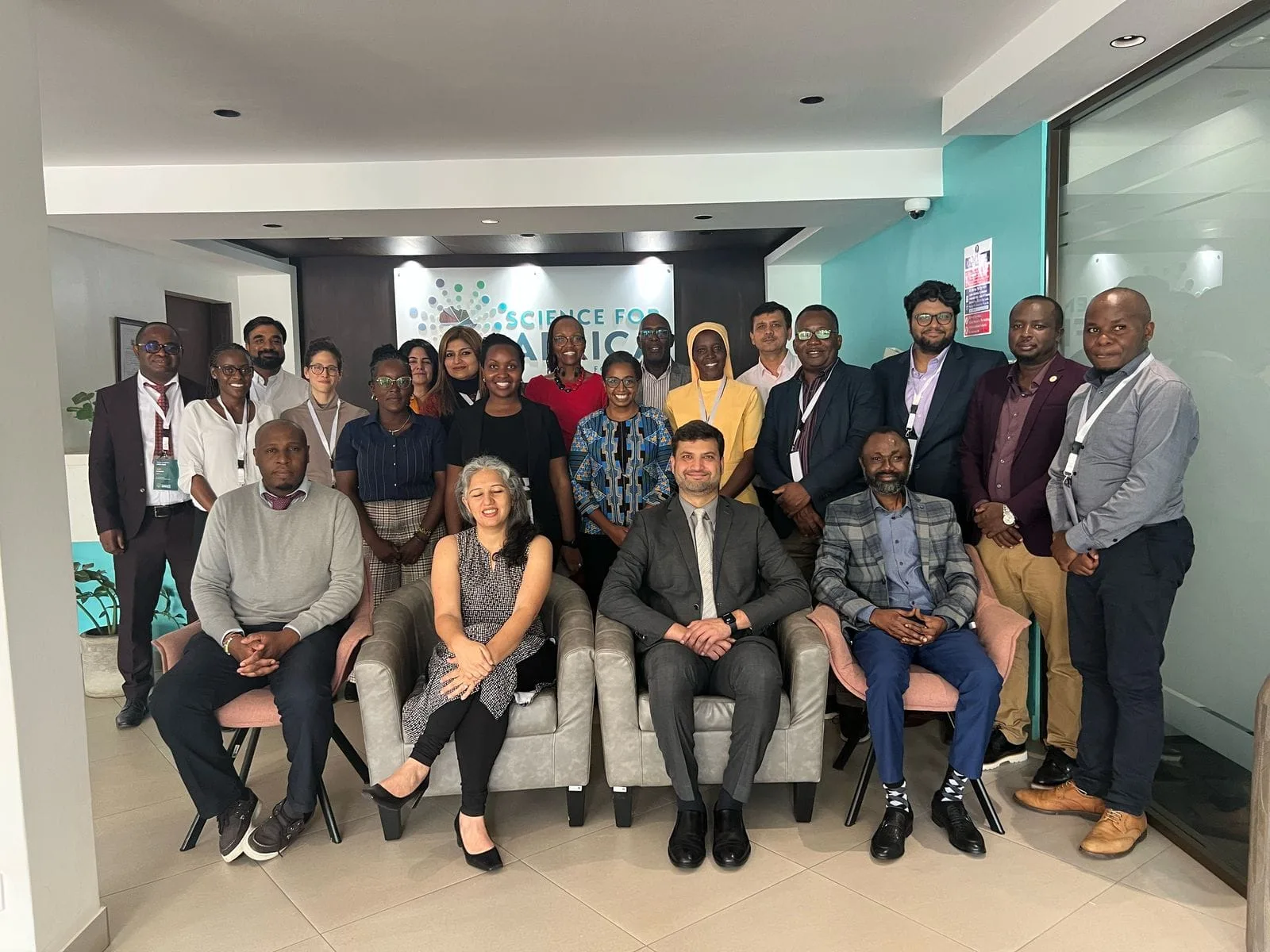
A longitudinal study generating high-quality evidence on how individual and combined stressors contribute to the onset of depressive symptoms in young people, in Pakistan, Indonesia and Colombia.
Pakistan, Indonesia, Colombia
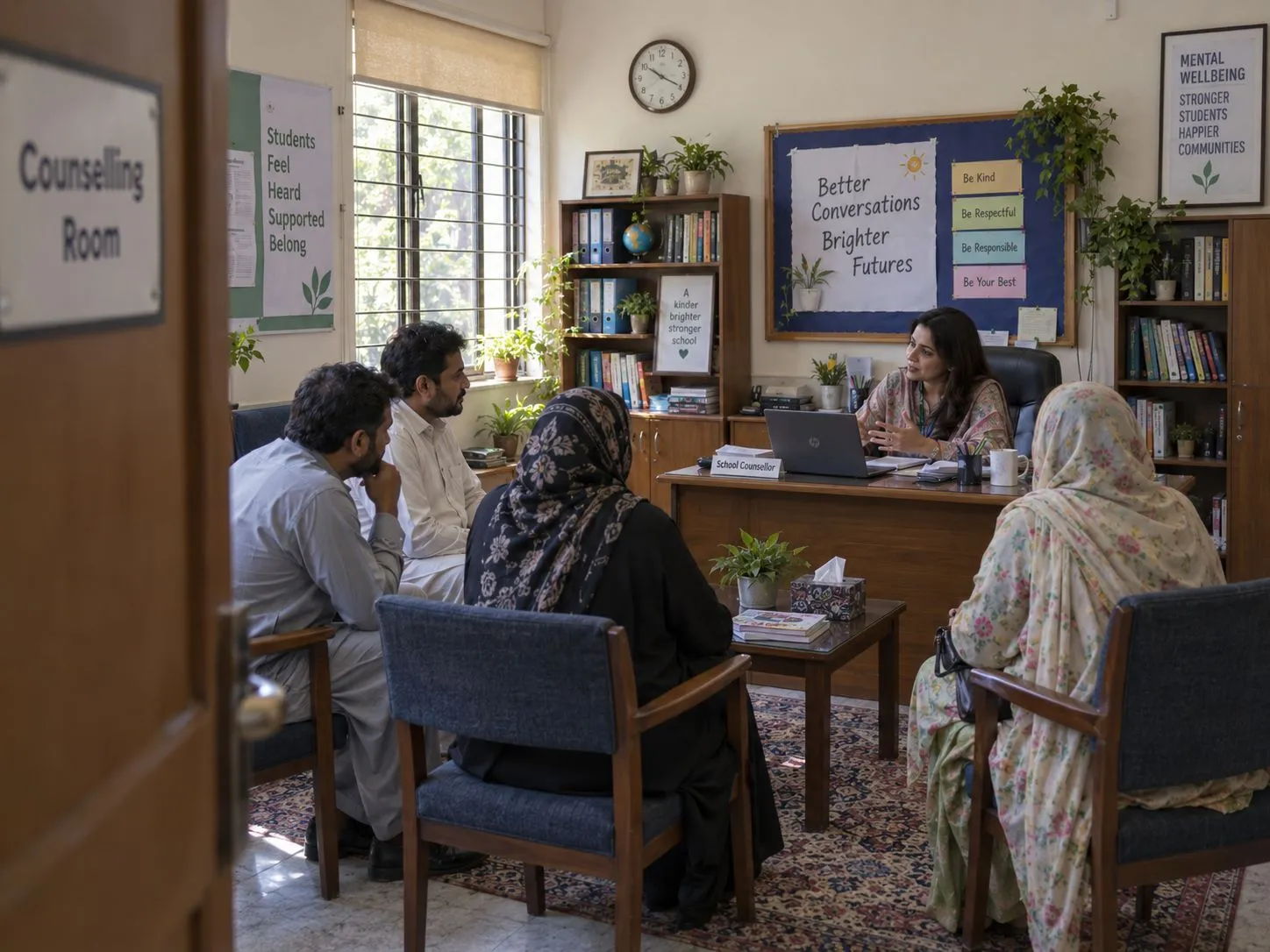
PREVENT is a school- and community-based programme designed to strengthen adolescent mental wellbeing by placing family support at the heart of prevention.
Pakistan
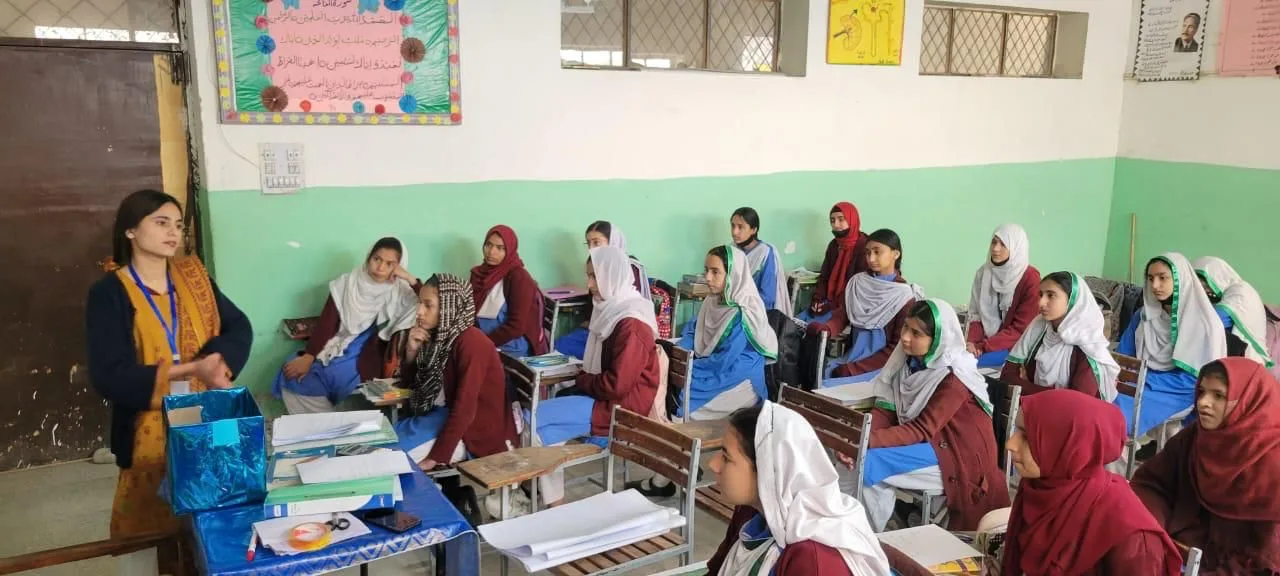
How can better data help Pakistan understand adolescent mental health — and turn that evidence into practical support where young people already live and learn?
Pakistan
Collaborate with GIHD
GIHD partners with international research institutions, government and UN agencies. Get in touch to discuss collaboration, data or publications.
Monday to Friday, 9 am to 5 pm