

Loading
DHA Campus, IslamabadMandra Campus, Rawalpindi
Policy and systems change
Making mental health a core part of climate resilience — a 36-month programme working with federal and provincial government to write mental health into Pakistan's climate, health and disaster-risk planning.

The challenge
Pakistan is increasingly exposed to floods, extreme heat, displacement and other climate-related hazards. While the physical and economic consequences of climate change are increasingly recognised, its effects on mental health remain largely absent from climate and adaptation policies.
Climate-related disruption can affect mental health through loss of homes and livelihoods, displacement, extreme heat, prolonged stress and disruption to social support, particularly for communities already facing social and economic vulnerabilities.
The research
This 36-month programme investigates how mental health can be systematically integrated into climate change and adaptation policy in Pakistan.
GIHD is working with the Ministry of National Health Services, Regulations and Coordination (MoNHSR&C) and other national and provincial stakeholders to bring together research evidence, policy expertise and lived experience. The programme will identify policy gaps, understand pathways from climate hazards to mental health, and develop practical approaches for integrating mental health into climate, health and disaster-risk planning.
From evidence to policy
Map national and provincial climate, health, mental health and disaster-risk policies, alongside perspectives from policymakers, practitioners, young people, people with lived experience and climate-affected communities.
Bring federal and provincial stakeholders together through Theory of Change processes to identify how climate-related mental health risks can be addressed through policy and systems.
Translate evidence and stakeholder perspectives into practical policy recommendations, proposed policy text, indicators, governance mechanisms, integration pathways and case studies.
Putting lived experience at the centre
People with lived experience of mental health challenges and communities affected by climate change are partners throughout the programme.
Their experiences of climate-related distress, coping and resilience will inform the research, Theory of Change and development of policy solutions.
Building the evidence for climate resilience
The programme brings together expertise and perspectives from health, climate and environment, education, disaster management, academia, government, humanitarian organisations, civil society, youth and lived-experience communities.
What could this research change?
Evidence
Build the evidence on how floods, extreme heat, displacement and other climate-related hazards affect mental health, wellbeing and resilience in Pakistan.
Policy
Generate practical recommendations and policy pathways to integrate mental health into Pakistan's National Adaptation Plan (NAP), Nationally Determined Contributions (NDCs), national and provincial climate policies, health adaptation plans and disaster-risk planning.
Resilience
Support climate policies and systems that recognise mental health as an essential dimension of resilience, helping communities prepare for, cope with and recover from climate-related shocks.
Evidence → Consensus → Policy Integration → Climate Resilience
| Detail | |
|---|---|
| Research focus | Climate change | Mental health | Policy | Resilience | Evidence-to-policy translation |
| Location | Pakistan |
| Duration | 36 months |
| Approach | Policy analysis | Stakeholder engagement | Lived experience | Theory of Change | Consensus-building |
| Lead | Global Institute of Human Development (GIHD) |
| Government partner | Ministry of National Health Services, Regulations & Coordination (MoNHSR&C) |
Policy integration roadmap
Stage 1: Evidence synthesis
Peer-reviewed landscape analysis of climate-induced mental health vulnerabilities across flood- and heatwave-affected regions in Pakistan.
Stage 2: Consultation
Theory of Change working documents co-created with MoNHSR&C, provincial health directorates, and climate-affected community representatives.
Stage 3: Systems adoption
Proposed indicators, policy text, and governance frameworks designed for formal adoption into Pakistan's National Adaptation Plan (NAP) and NDCs.
Federal and provincial policy teams, researchers, and climate resilience partners are invited to collaborate on policy integration roadmaps and consultation drafts.
Partners and collaborators
 Ministry of National Health Services, Regulations & Coordination (MoNHSR&C)
Connected work
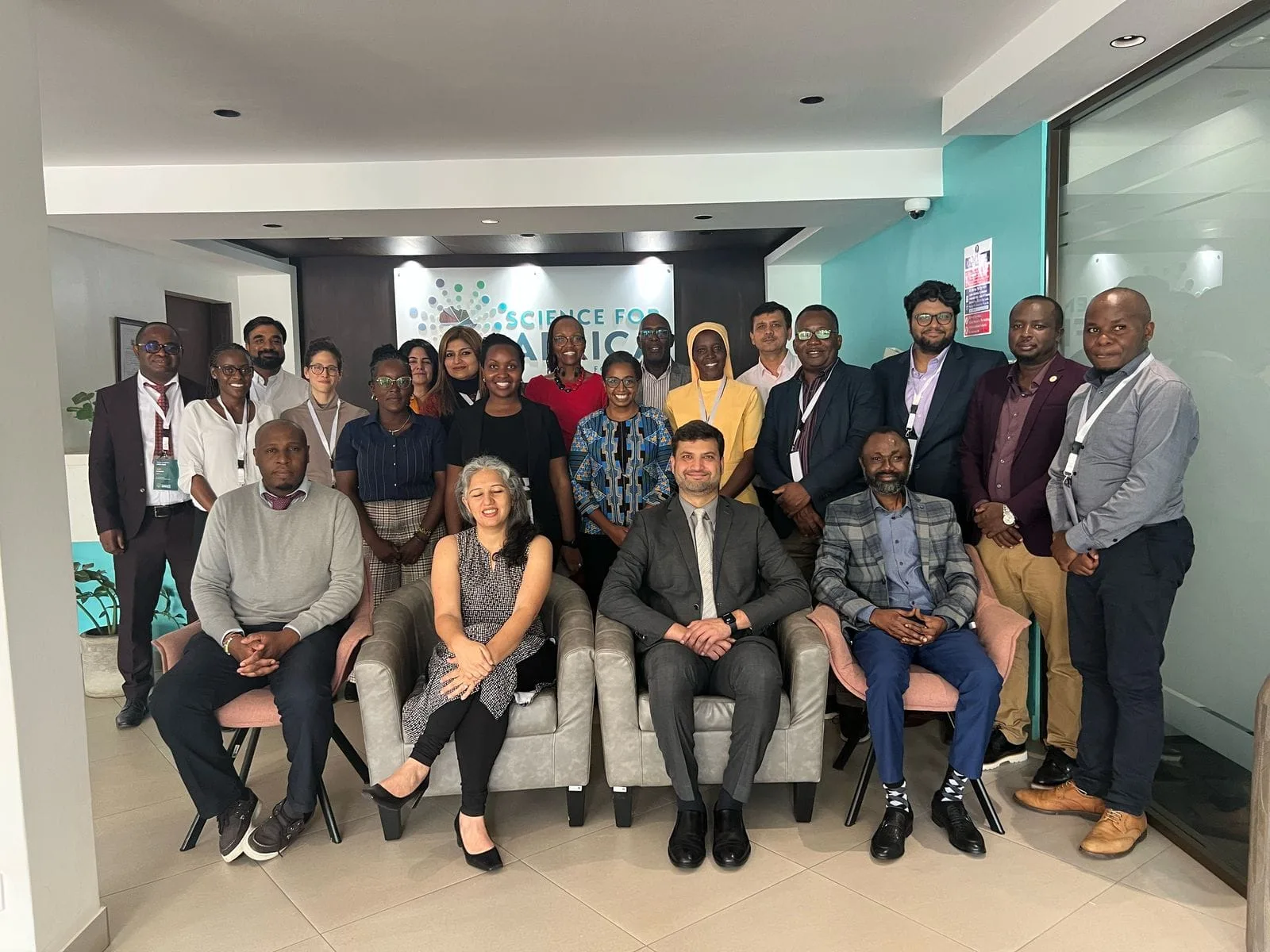
A longitudinal study generating high-quality evidence on how individual and combined stressors contribute to the onset of depressive symptoms in young people, in Pakistan, Indonesia and Colombia.
Pakistan, Indonesia, Colombia

Can technology make it possible to train and supervise more non-specialist school counsellors, without compromising the quality of care they provide? A randomised test of technology-assisted cascade training and supervision for EASE.
Pakistan
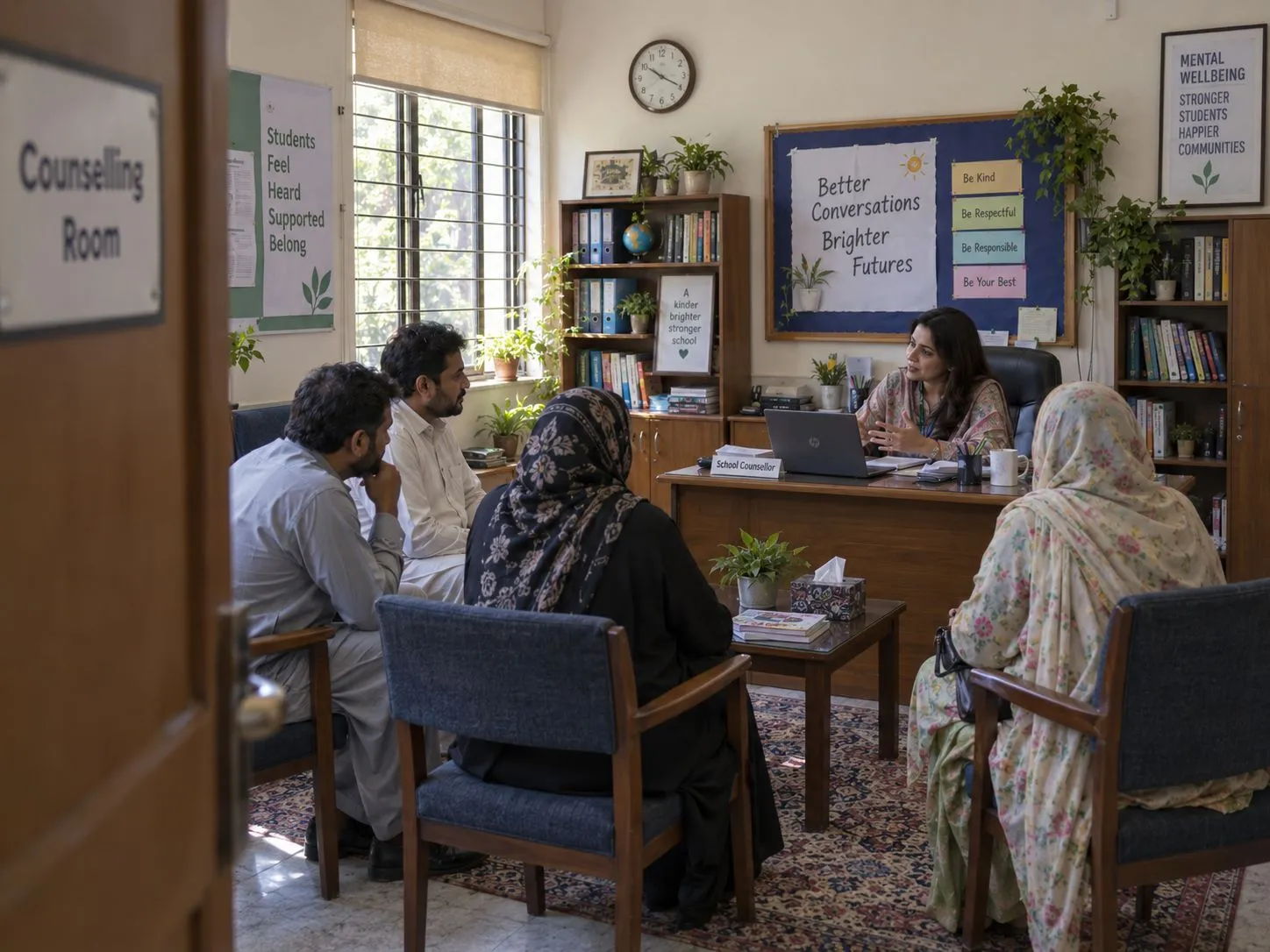
PREVENT is a school- and community-based programme designed to strengthen adolescent mental wellbeing by placing family support at the heart of prevention.
Pakistan
Collaborate with GIHD
GIHD partners with international research institutions, government and UN agencies. Get in touch to discuss collaboration, data or publications.
Monday to Friday, 9 am to 5 pm