Building a national road map for the HAT toolkit
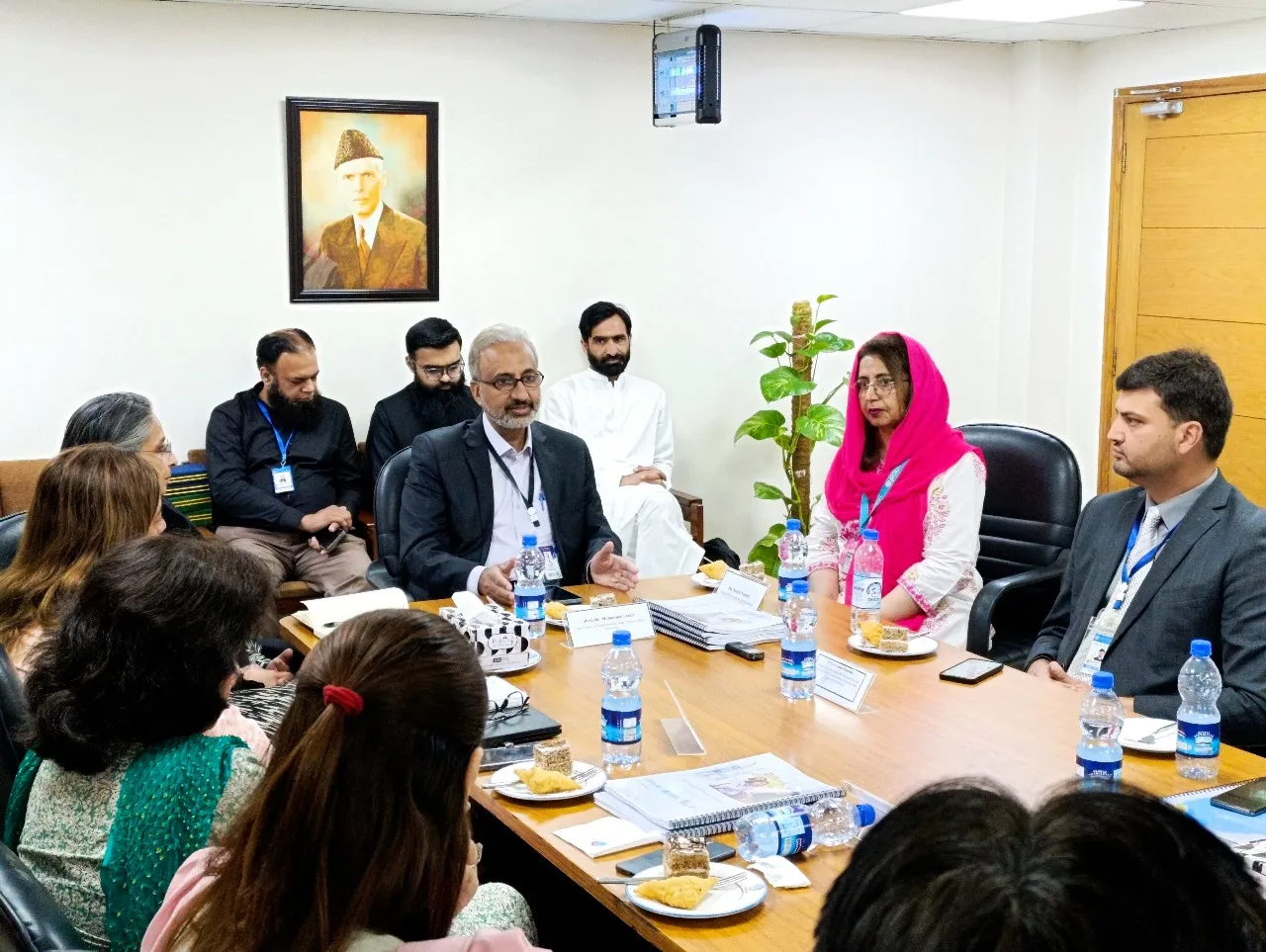
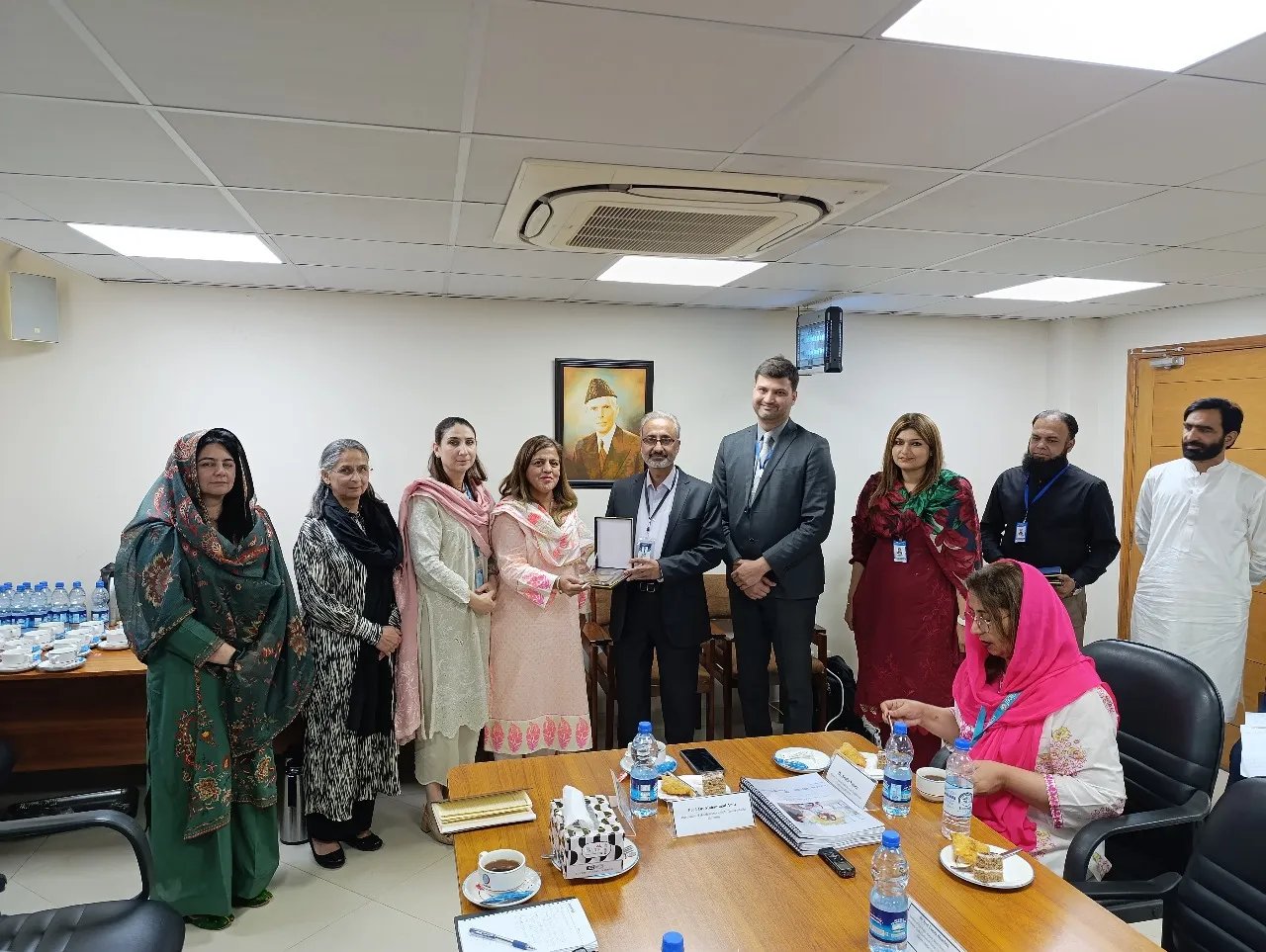
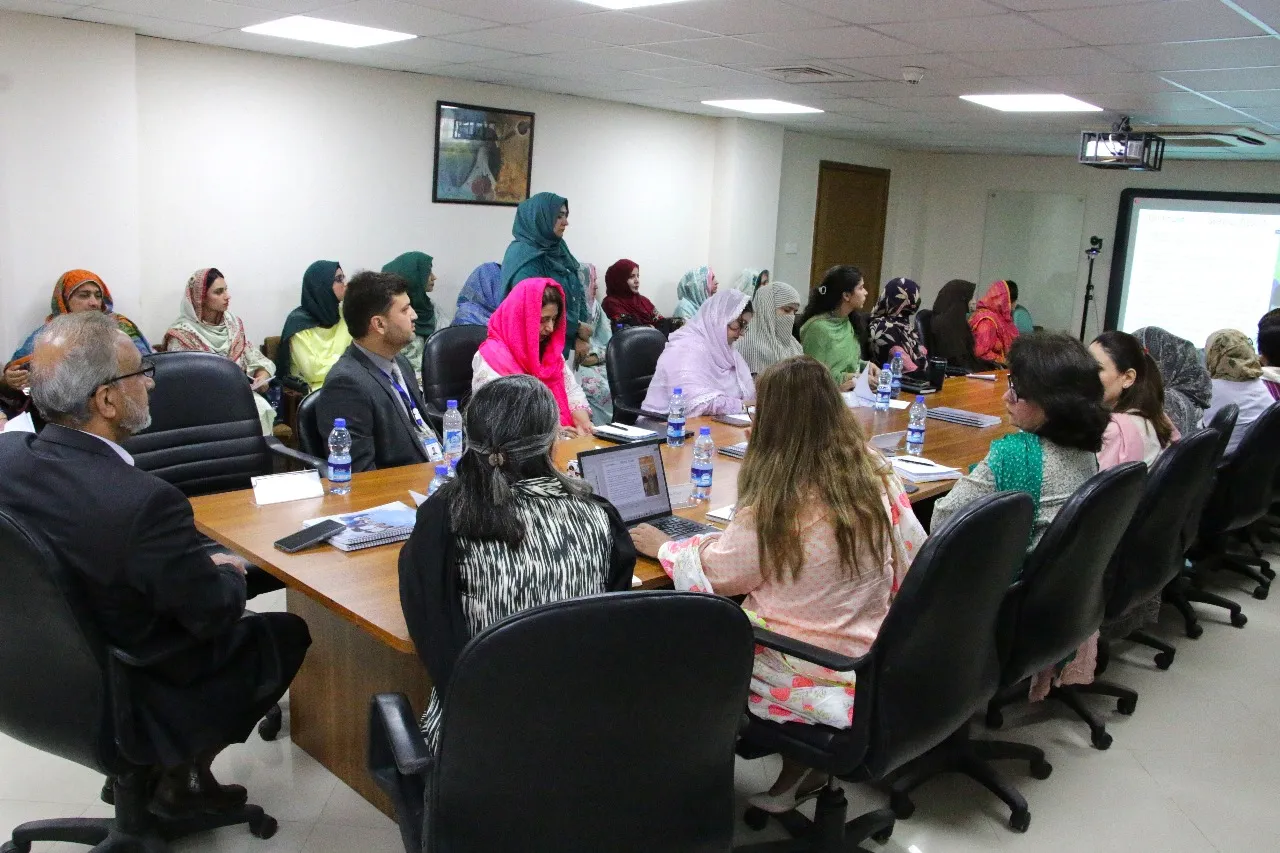
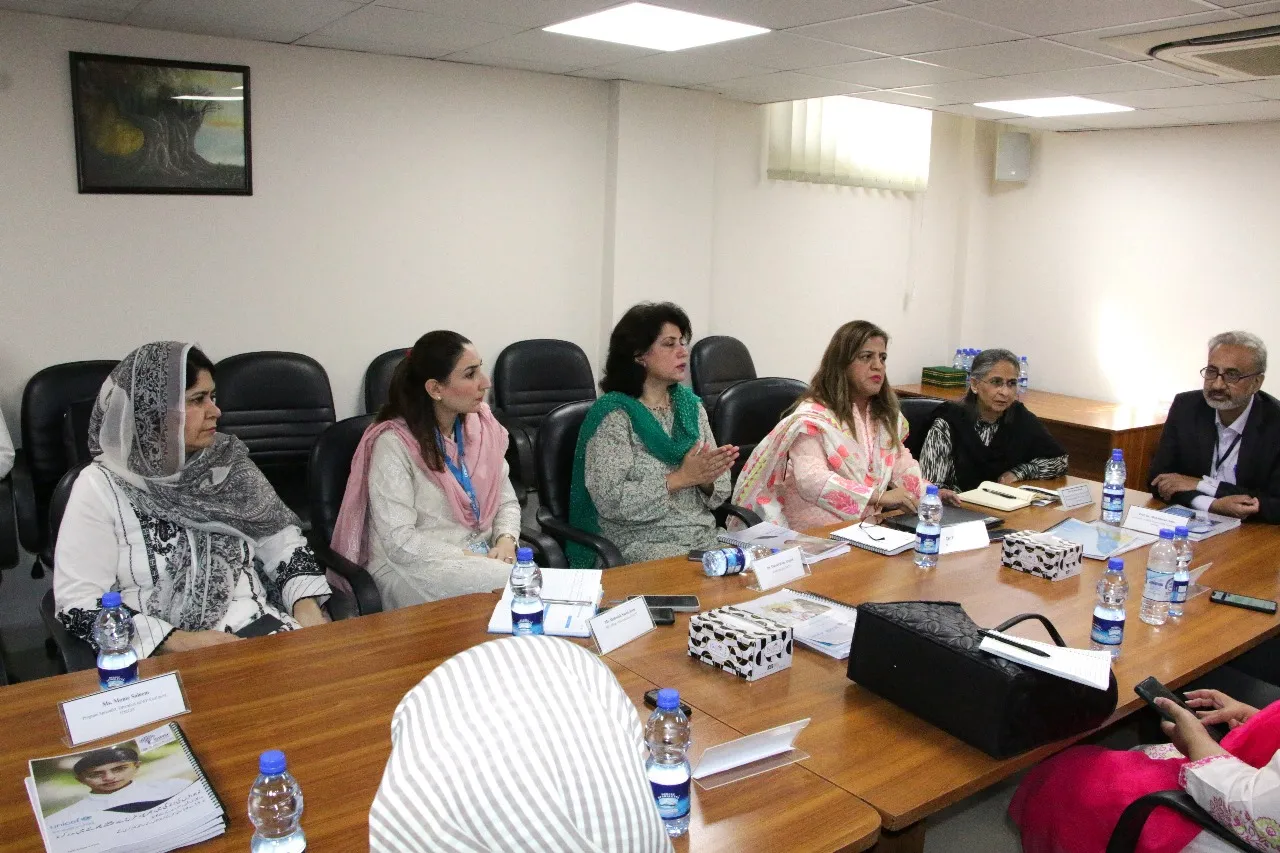
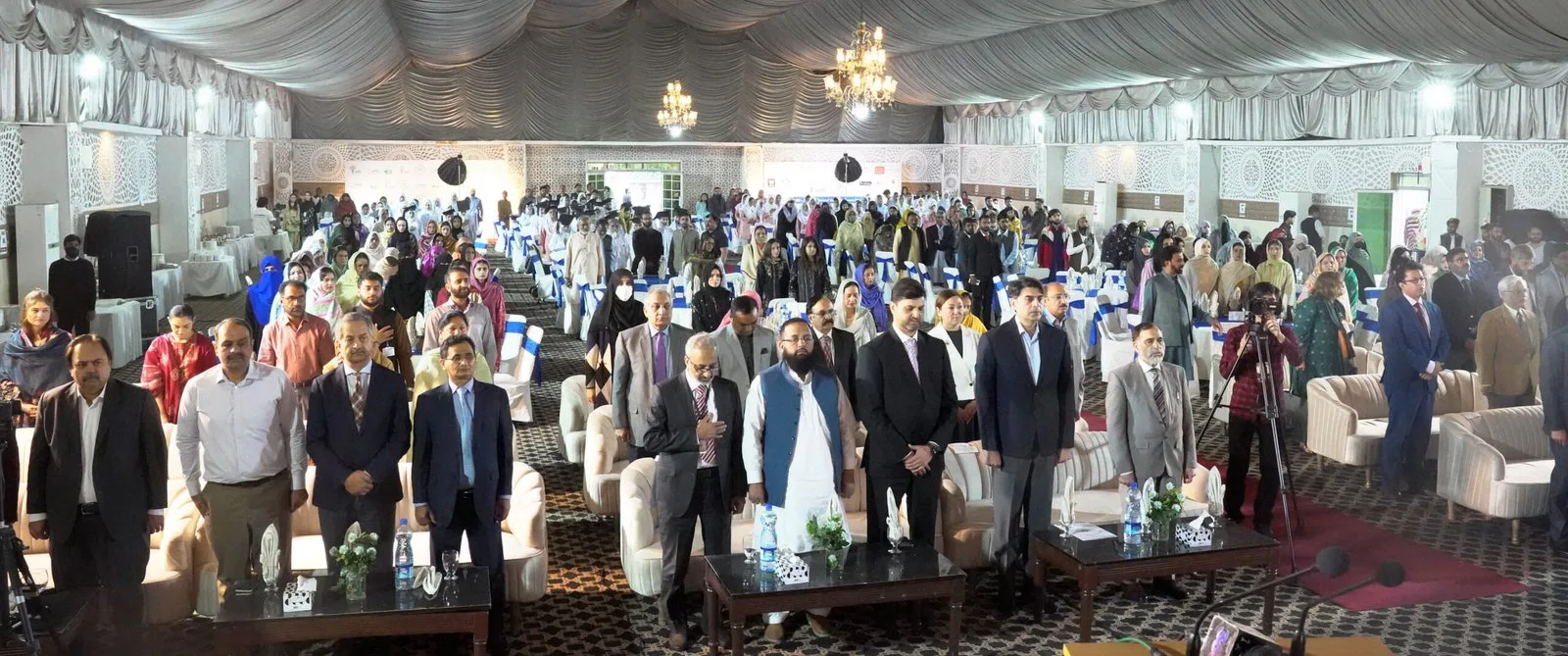
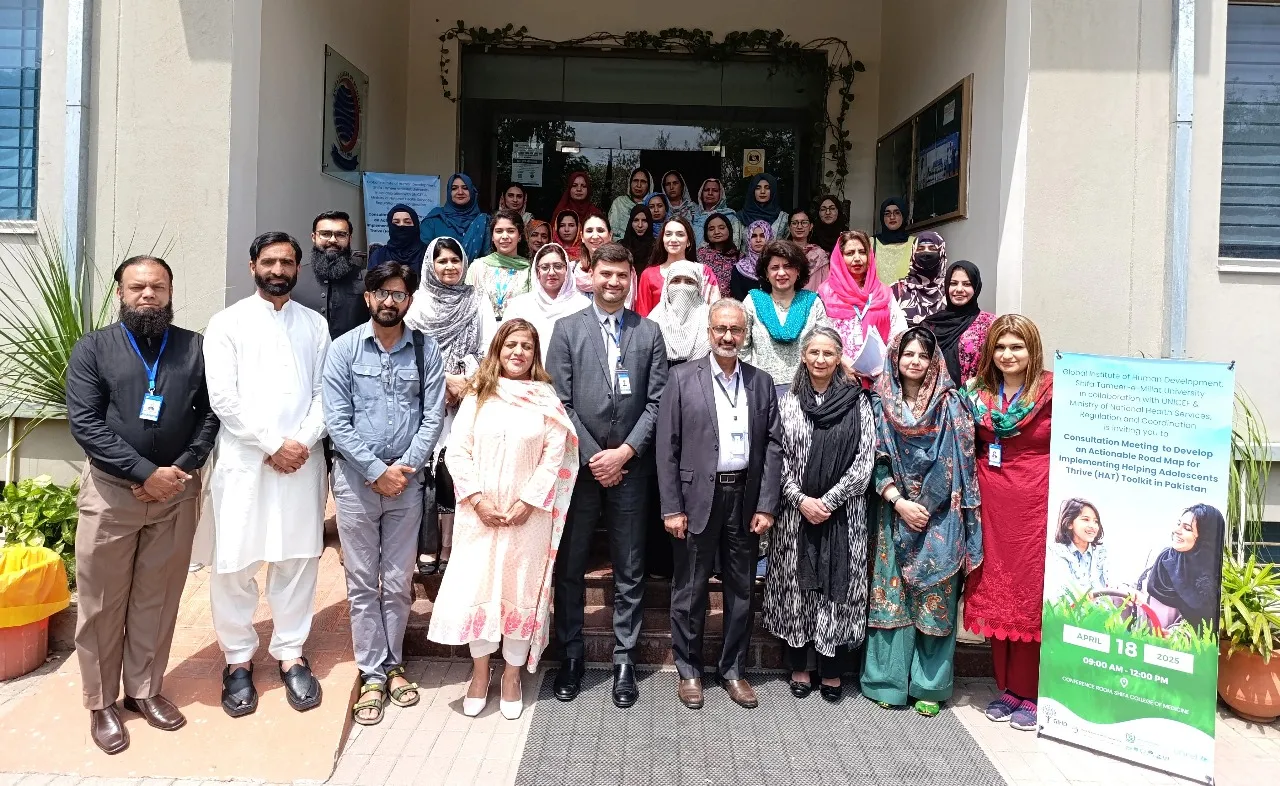
The Global Institute of Human Development (GIHD), Faculty of Health Sciences, Shifa Tameer-e-Millat University, in collaboration with UNICEF and the Ministry of National Health Services, Regulations and Coordination, held a National Consultation Meeting to develop an actionable road map for the implementation of the WHO–UNICEF "Helping Adolescents Thrive" (HAT) toolkit in Pakistan.
Why it matters
With one of the largest adolescent populations in the world, adolescent mental health is a priority health issue for Pakistan, particularly among underserved school-aged youth. The WHO–UNICEF HAT toolkit is a structured, evidence-based programme aimed at enhancing psychological resilience and life skills among adolescents.
Convening leadership
- Chaired by Prof. Dr. Mohammad Amir, Dean, Faculty of Health Sciences, STMU
- Dr. Humaira Irshad, Health Officer, UNICEF, underscored the public health urgency of adolescent mental well-being, framing it as a generational imperative
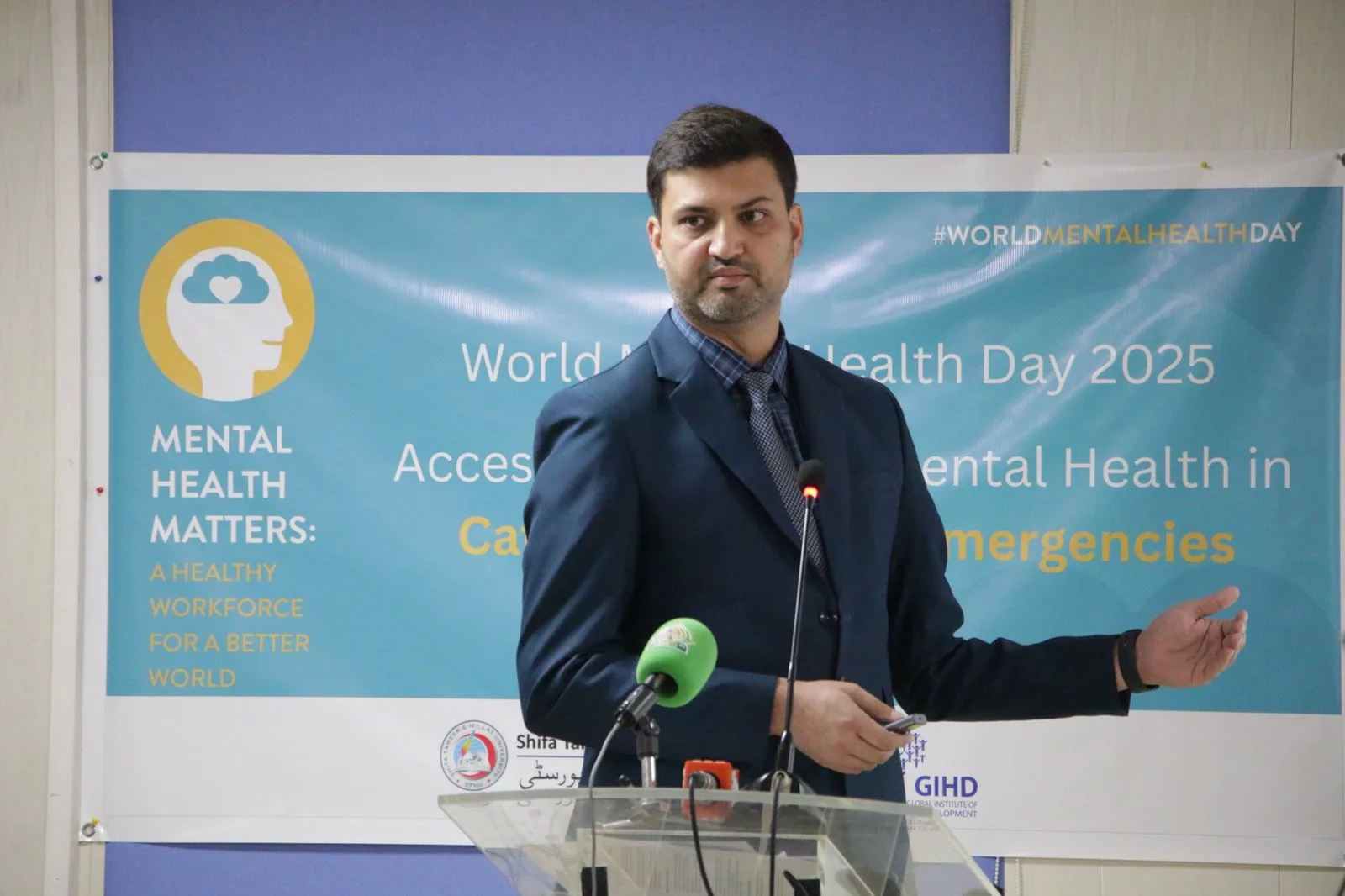
- Moderated by Dr. Syed Usman Hamdani, Founding Director, GIHD
Intervention strategies for adolescents
Dr. Hamdani set out the scientific process the GIHD-STMU team followed for the translation, cultural adaptation, implementation and evaluation of the HAT toolkit. Key components of the adapted intervention include:
- Emotional regulation and awareness
- Problem-solving and stress management
- Effective communication skills
- Substance use prevention
- Development of prosocial behaviours and peer relationships
Stakeholder engagement
The event was attended by participants from the provincial health and education departments, academia, policy and development sectors from Punjab, Sindh, Khyber Pakhtunkhwa, Balochistan, Azad Kashmir and Gilgit-Baltistan. Discussions emphasised that while various initiatives exist, they remain fragmented — highlighting the need for a multi-sectoral coordination framework such as HAT to scale up child and adolescent mental health interventions and ensure policy alignment.