



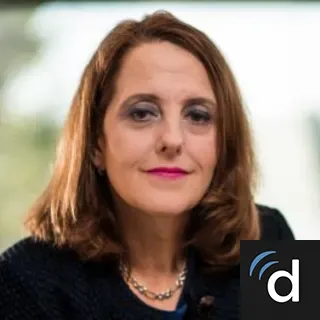
Dr. Robb chairs the Division of Psychiatry and Behavioral Sciences at Children's National Hospital, where her clinical and research work centers on child and adolescent mental health care and treatment access.
Leading voices, experts, and stakeholders from government, global health institutions, academia, and civil society joining the Summit.
Listed alphabetically
Dr. Robb chairs the Division of Psychiatry and Behavioral Sciences at Children's National Hospital, where her clinical and research work centers on child and adolescent mental health care and treatment access.
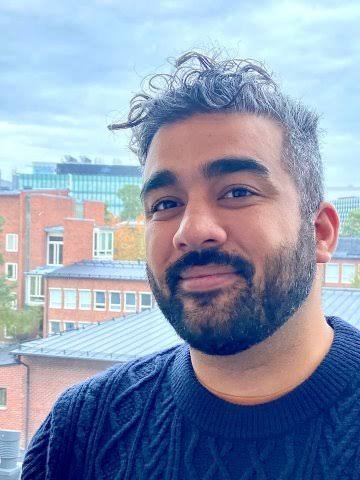
Dr. Aemal Akhtar is a Lecturer in Global Mental Health within International Public Health at the Liverpool School of Tropical Medicine, UK. His work contributes to global mental health policy, technical guidance, and strengthening mental health and substance-use responses within health systems and international public health programmes.

Mr. Alessandro Massazza is a Policy and Advocacy Advisor at United for Global Mental Health, where he leads work connecting climate change, environment, and mental health. With a background in clinical psychology, research, humanitarian mental health, and global policy, he works to advance recognition of mental health within international climate and health agendas.
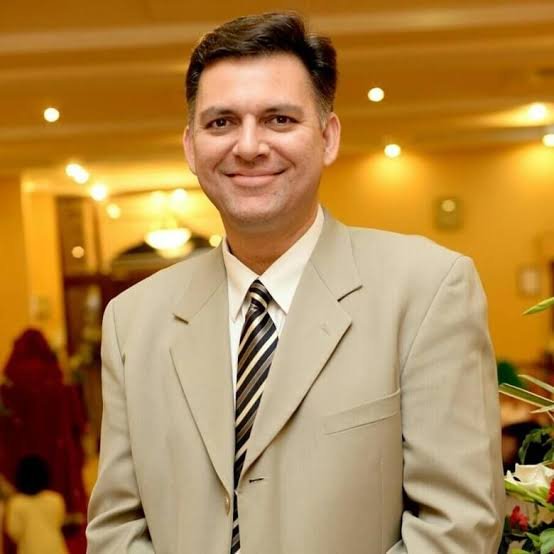
Prof. Dr. Ali Madeeh Hashmi is Professor of Psychiatry at King Edward Medical University and a Diplomate of the American Board of Psychiatry and Neurology. He is a psychiatrist, academic, and mental health advocate whose work spans clinical psychiatry, medical education, public engagement, and efforts to improve understanding of mental health in Pakistan.
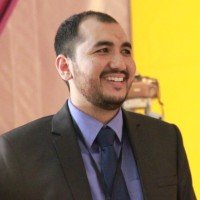
Mr. Ali Zaidi is the CEO of Quetta Book Cafe, a community-oriented space in Quetta that promotes reading, dialogue, learning, and intellectual exchange. Through his work, he has contributed to creating platforms where young people and communities can engage with ideas, culture, education, and meaningful social conversations.
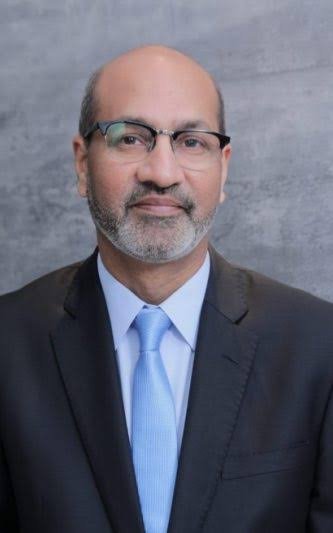
Prof. Dr. Asad Tamizuddin Nizami is Dean of the Faculty of Psychiatry at the College of Physicians and Surgeons Pakistan. He is a senior academic and psychiatrist with extensive experience in postgraduate medical education, psychiatric training, professional development, and strengthening standards of mental health practice in Pakistan.
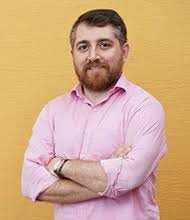
Dr. Basharat Esa is an anthropologist at Habib University whose work brings social and cultural perspectives to understanding people, communities, and wellbeing. His expertise contributes to a broader understanding of how culture, identity, social structures, and lived experiences shape health and mental health across diverse communities.
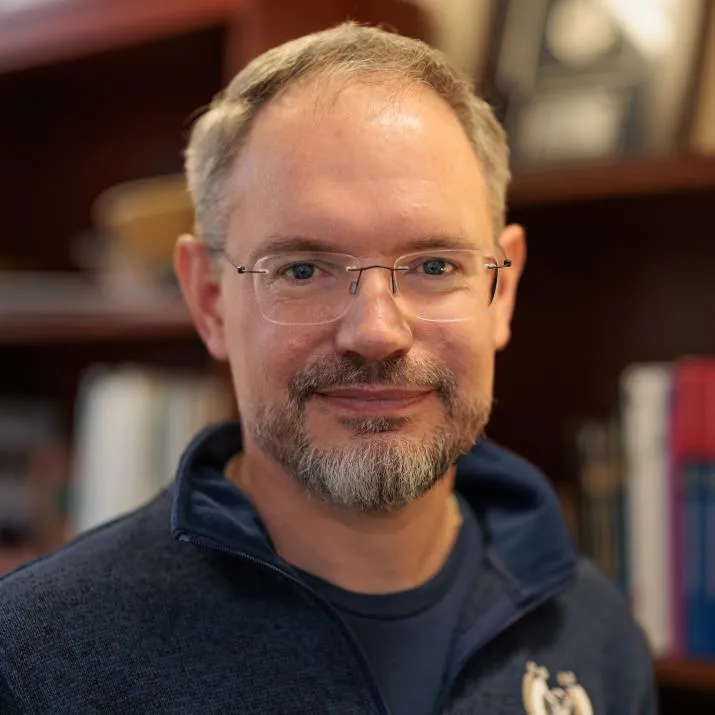
Prof. Kohrt is a distinguished public health administrator leading national mental health policy formulation and healthcare system alignments in Pakistan. With over two decades of public service experience, they focus on implementing scalable primary healthcare integrations, ensuring equitable health services, and advancing national policy frameworks to meet international standards.
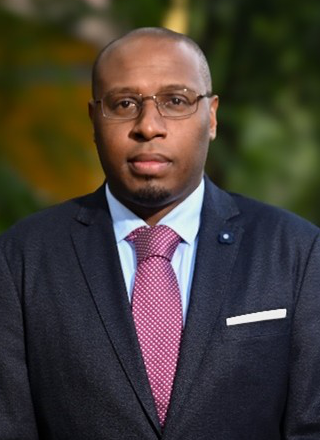
Dr. Byron Bitanihirwe is Programme Manager for BEING at the Science for Africa Foundation. He works at the intersection of youth mental health, research, policy, and systems change, supporting efforts to generate and translate evidence for adolescent and young people’s wellbeing. His work emphasises locally grounded, equitable, and youth-responsive approaches to mental health.
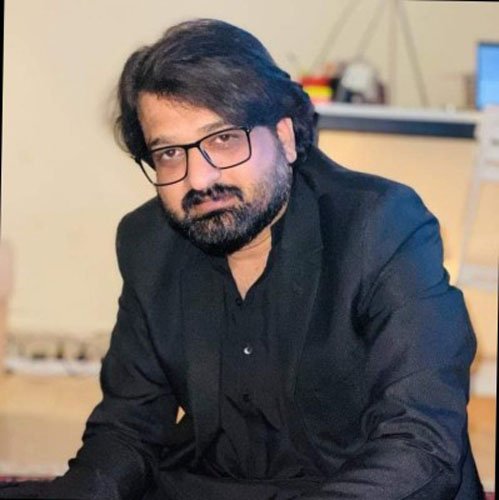
Mr. Farnood Alam is a journalist whose work engages with social issues and public discourse. Through journalism and storytelling, he contributes to bringing important community perspectives and lived realities into wider conversations. His participation highlights the role of responsible media in shaping public understanding of mental health and social wellbeing.
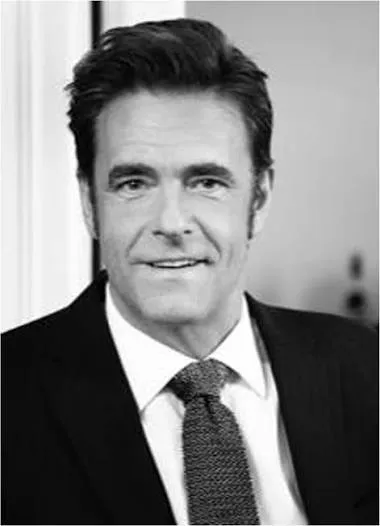
Prof. Reed is a leading researcher and academic director specializing in global developmental science. Their work centers on designing, testing, and implementing community-based mental health programs in low-resource settings, fostering robust collaborations between academic institutions, local communities, and international development agencies.
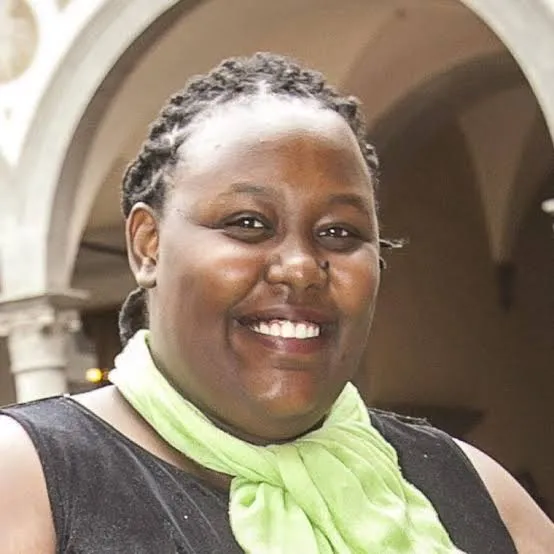
Ms. Gatera brings a lived experience perspective to the Summit, advocating for mental health services shaped by the voices of those they are designed to serve.
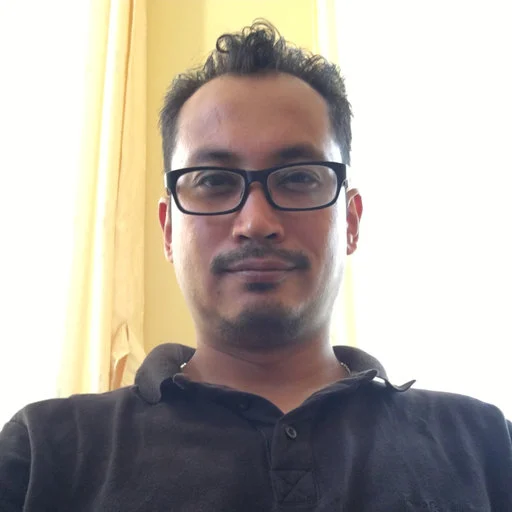
Dr. Gunjan Dhonju is a mental health professional from Nepal working within the broader field of mental health and wellbeing. Her participation brings a regional South Asian perspective to discussions on strengthening mental health systems, addressing community needs, and developing contextually appropriate approaches to mental healthcare.
Ms. Halima Sadia is an autism specialist with extensive experience supporting children and families affected by autism. She has played a leading role in developing autism-focused services and resources in Pakistan, with a strong commitment to accessible, family-centred support, inclusion, and improving opportunities and quality of life for children with developmental needs.
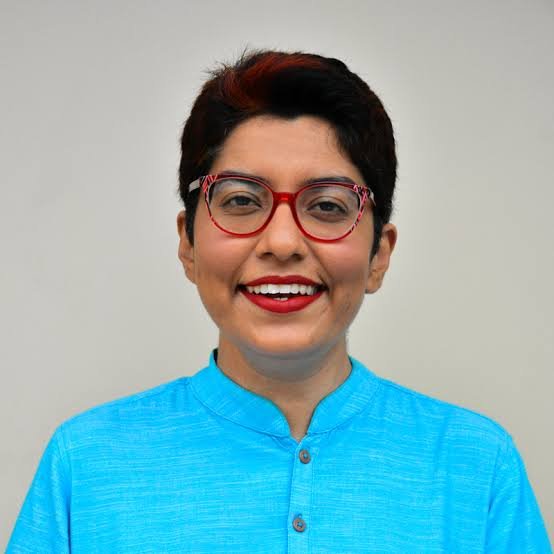
Ms. Haya Fatima is a documentary filmmaker whose work uses visual storytelling to explore people, communities, and social realities. Through film, she creates spaces for underrepresented voices and lived experiences to be heard. Her work highlights the power of storytelling and creative expression in building empathy, challenging perceptions, and advancing meaningful social conversations.
Mr. Ibadullah Shaikh is a mindfulness educator working to promote awareness, emotional wellbeing, and practical approaches to mental health. Through mindfulness education, he contributes to conversations around self-awareness, stress management, and psychological wellbeing, highlighting accessible approaches that can complement broader mental health promotion and prevention efforts.
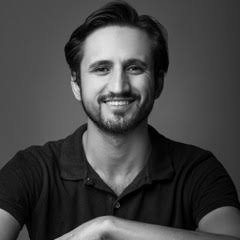
Mr. Irfan Ali Taj is a civil society contributor, writer, musician, and singer from Chitral. Through his creative and community work, he brings together culture, storytelling, music, and social engagement. His perspective highlights the role of arts, identity, local communities, and cultural expression in conversations around wellbeing and social change.

Dr. Joanna Lai is a Health Specialist at UNICEF, working to advance health and wellbeing for children and young people. Her work brings together public health, evidence, policy, and programme implementation, with a focus on strengthening systems and ensuring that health interventions respond effectively to the needs of children and communities.

Ms. Kami Choudhary is associated with Subrang Society, contributing to community-focused work and initiatives supporting social inclusion and wellbeing. Her perspective reflects the importance of community organisations and grassroots engagement in addressing social and mental health challenges and ensuring that diverse voices are represented in conversations about wellbeing.
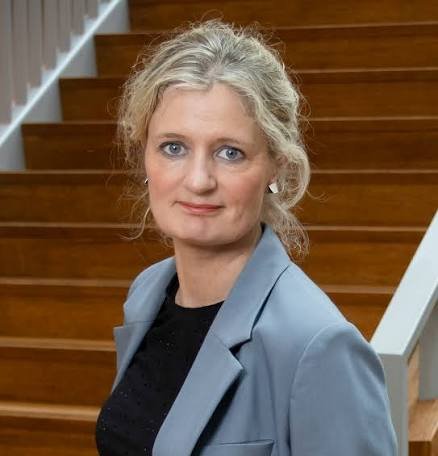
Prof. Dr. Marit Sijbrandij is Professor of Clinical Psychology at Vrije Universiteit Amsterdam and Director of a WHO Collaborating Center for Research and Dissemination of Psychological Interventions. Her research focuses on prevention and treatment of mental disorders following trauma and adversity, particularly developing scalable psychological interventions for diverse and low-resource settings.
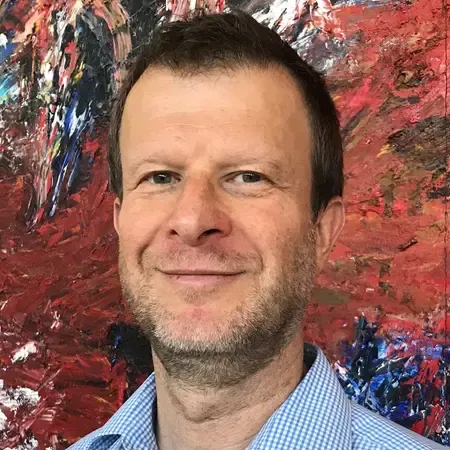
Dr. Van Ommeren is a leading clinician and mental health advocate specializing in youth developmental trauma and school-based counseling programs. They collaborate with clinical boards, educational systems, and family support networks to implement early intervention structures and combat stigma in adolescent care.
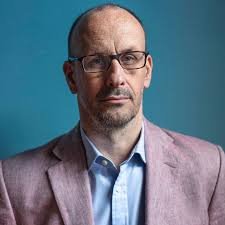
Prof. Dr. Michael Philip Eddleston is a physician and researcher at the University of Edinburgh and founder of the Centre for Pesticide Suicide Prevention. His work has focused on preventing suicide through evidence-based approaches to pesticide poisoning, particularly in rural and agricultural communities in low- and middle-income countries.
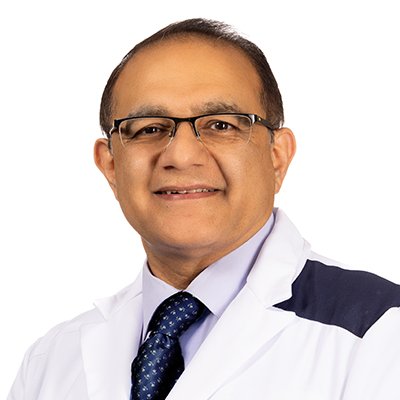
Prof. Dr. Muhammad Waqar Azeem is Professor and Chair of Psychiatry at Sidra Medicine, Qatar, and Professor at Weill Cornell Medicine. His expertise includes child and adolescent psychiatry, autism and developmental disabilities, global mental health, and psychiatric education. He has played a leading role in strengthening child and adolescent mental health services in Qatar.
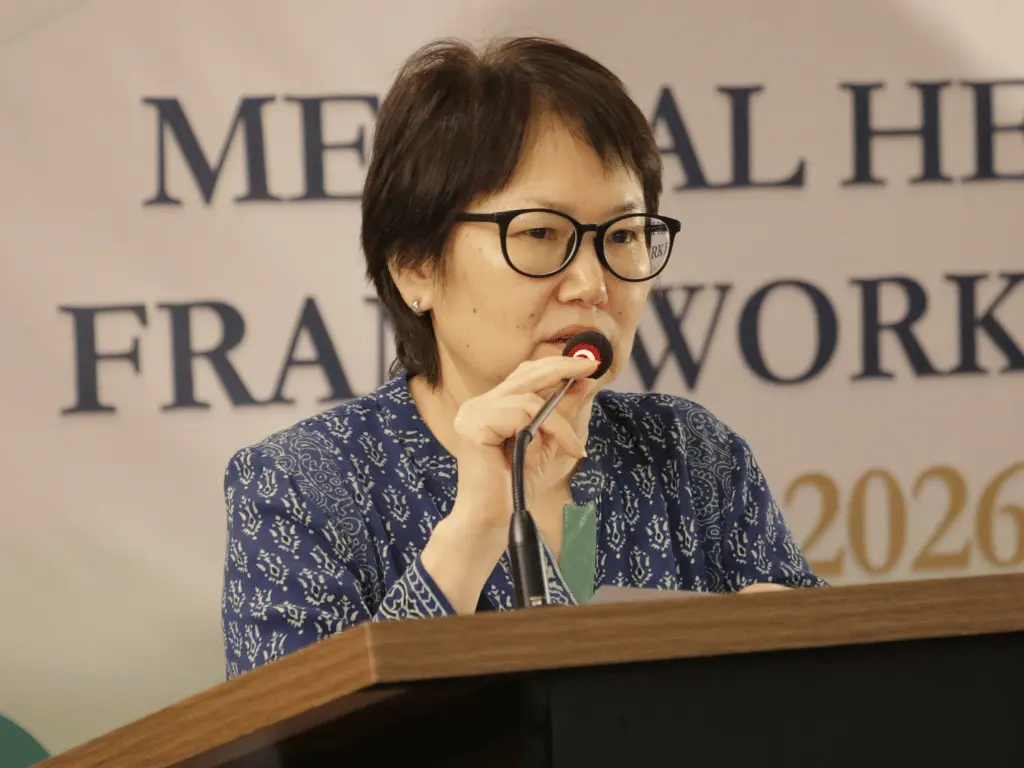
Ms. Jadambaa leads the noncommunicable diseases cluster at the WHO Country Office, coordinating technical support for national health policy and helping integrate mental health into the wider noncommunicable disease response.

Ms. Maggo brings a lived experience perspective to the Summit, advocating for mental health services shaped by the voices of those they are designed to serve.
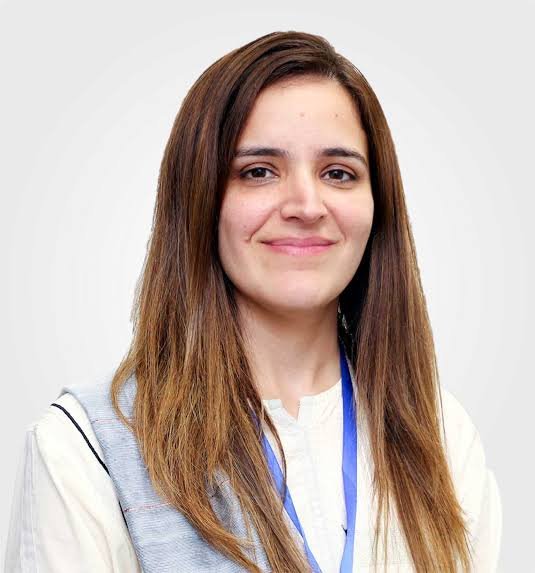
Dr. Nosheen Kazmi is a Consultant Psychiatrist and Assistant Professor at Shifa College of Medicine, Shifa Tameer-e-Millat University. She has clinical experience across child and adolescent, adult, and older adult psychiatry, as well as autism, ADHD, and psychotherapy, contributing to both patient care and medical education.
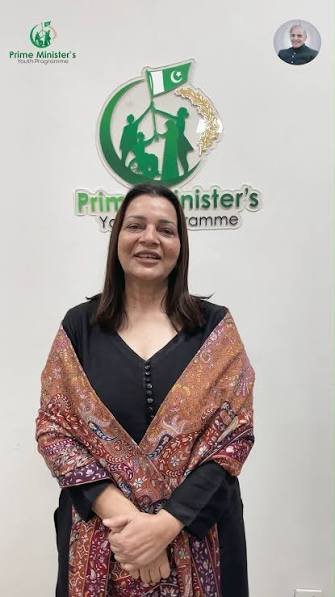
Ms. Sabiha Shaheen serves as Focal Person for the Prime Minister’s Youth Programme. Her work focuses on youth engagement and supporting initiatives that create opportunities for young people. She brings experience in connecting youth priorities with national programmes, policy discussions, and broader efforts to empower Pakistan’s young population.
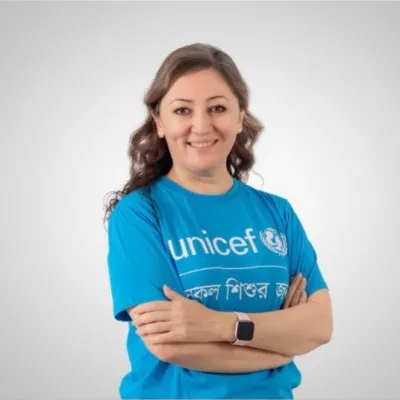
Dr. Abdulleova oversees UNICEF's country health programming, with a focus on strengthening child and adolescent health services and expanding access to mental health support within community and school settings.
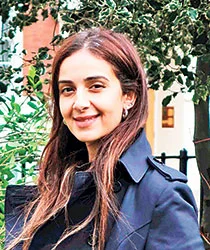
Ms. Sanaa Ahmed is associated with the British Asian Trust in Pakistan, contributing to initiatives focused on social development and wellbeing. Her work brings experience in cross-sector collaboration and programme engagement, supporting efforts to strengthen outcomes for communities and advance approaches that respond to Pakistan’s evolving social and development priorities.
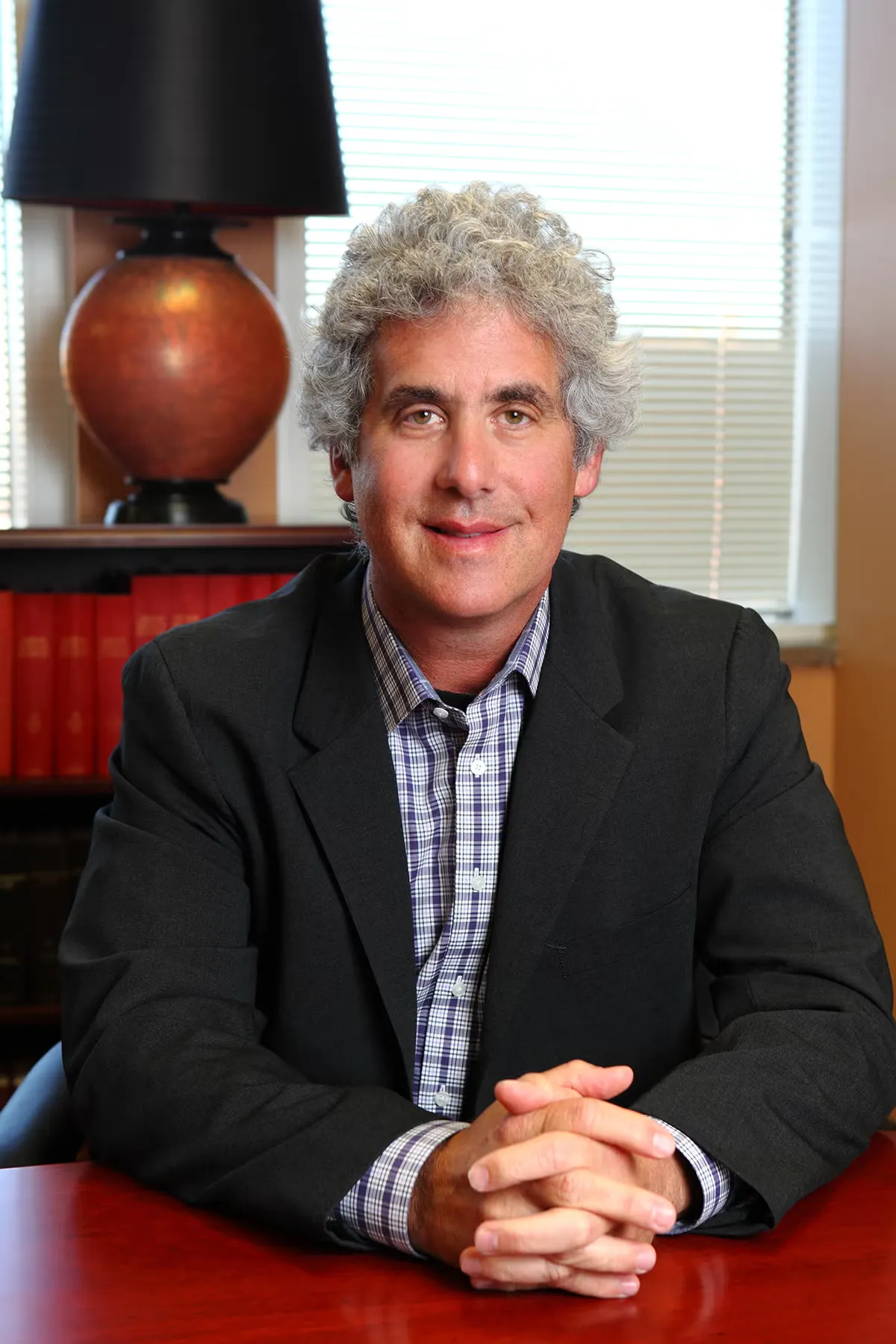
Prof. Weine brings extensive global expertise in child and adolescent developmental health. As a senior advisor, they lead regional policy research, focusing on the protection of vulnerable children, school-based mental health advocacy, and the creation of evidence-based interventions to support youth resilience across South Asia.

Prof. Thomas Schulze is a Professor of Psychiatry and Behavioral Sciences and President-Elect of the World Psychiatric Association. He is an internationally recognised psychiatrist and academic whose work contributes to advancing psychiatric research, education, clinical practice, and global collaboration in mental health.
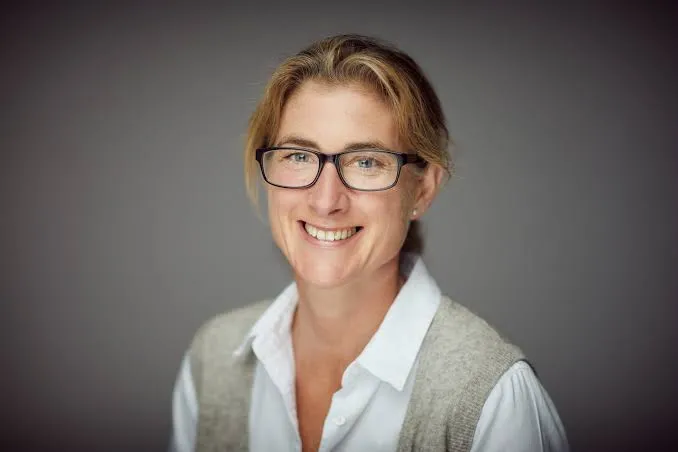
Prof. Lang is a public health policy specialist focusing on the integration of mental healthcare into universal health coverage. Over the last fifteen years, they have advised national ministries on capacity-building, health worker training, and designing climate-resilient community wellness programs globally.
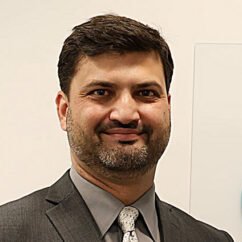
Prof. Dr. Syed Usman Hamdani is the Founding Director of the Global Institute of Human Development at Shifa Tameer-e-Millat University. He is a global mental health researcher whose work focuses on developing, evaluating, and scaling evidence-based interventions, particularly for young people and communities in low- and middle-income countries.
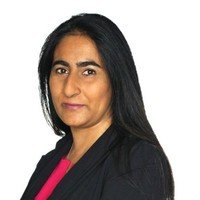
Dr. Uzma Alam is a programme leader working at the intersection of science, policy, and knowledge translation. At Science for Africa, she contributes to strengthening evidence-informed policy and research systems, with a focus on ensuring scientific knowledge is accessible, relevant, and translated into meaningful societal impact across Africa.
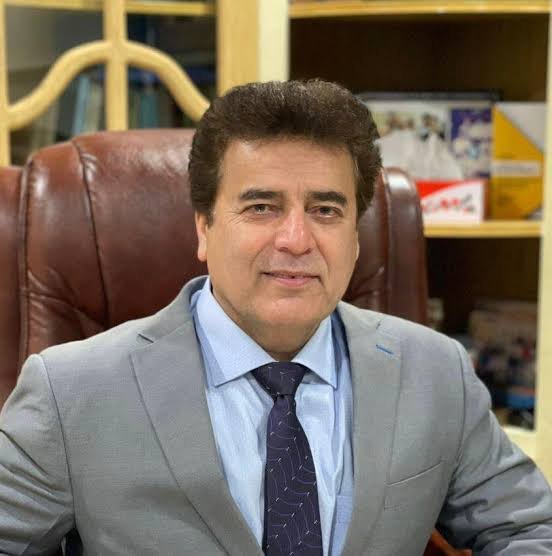
Dr. Wajid Ali Akhundzada is President of the Pakistan Psychiatric Society and a prominent psychiatrist contributing to the advancement of mental healthcare in Pakistan. His professional work encompasses psychiatric practice, advocacy, professional leadership, and strengthening collaboration within the country’s mental health community.
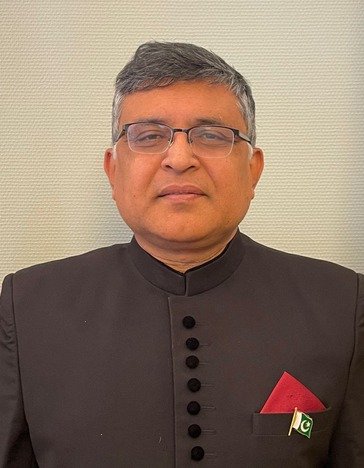
Dr. Zahoor Ahmed is a diplomat and Ambassador with extensive experience in Pakistan’s Foreign Service. His work spans international relations, diplomacy, policy engagement, and representation of Pakistan in global forums. He brings a valuable perspective on international cooperation, multilateral engagement, and the role of diplomacy in advancing shared development priorities.
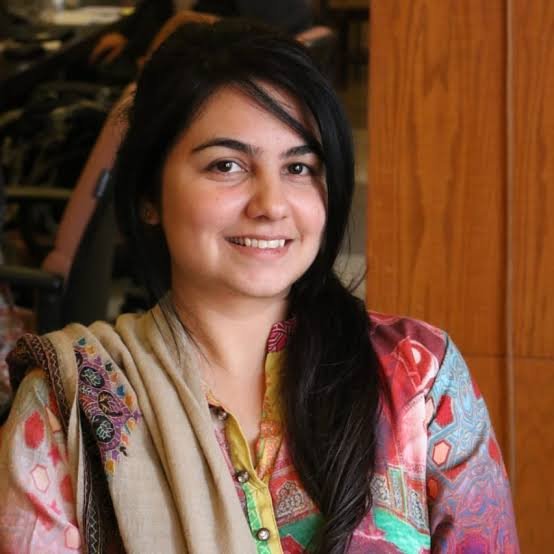
Dr. Zill-e-Huma is a Senior Research Fellow at the Global Institute of Human Development, Shifa Tameer-e-Millat University. Her work focuses on global mental health research, evidence-based interventions, and strengthening mental health systems in low- and middle-income countries. She contributes to research, capacity building, and translating evidence into locally relevant practice and policy.
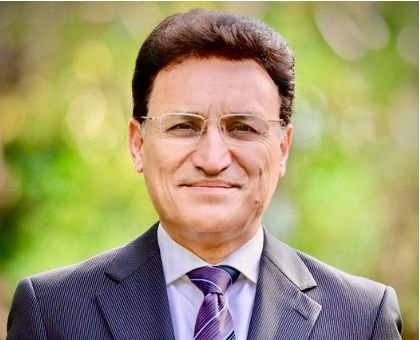
Mr. Zulfiqar Younas is a Senior Advisor to the Climate Vulnerable Forum–V20, representing the interests and priorities of climate-vulnerable countries. His work contributes to international dialogue on climate vulnerability, financing, resilience, and development, bringing an important policy perspective to discussions on the interconnected impacts of climate change and wellbeing.
Strategic and collaborating partners spanning government, UN agencies and global academia.